
Checks that separate a good reefer container
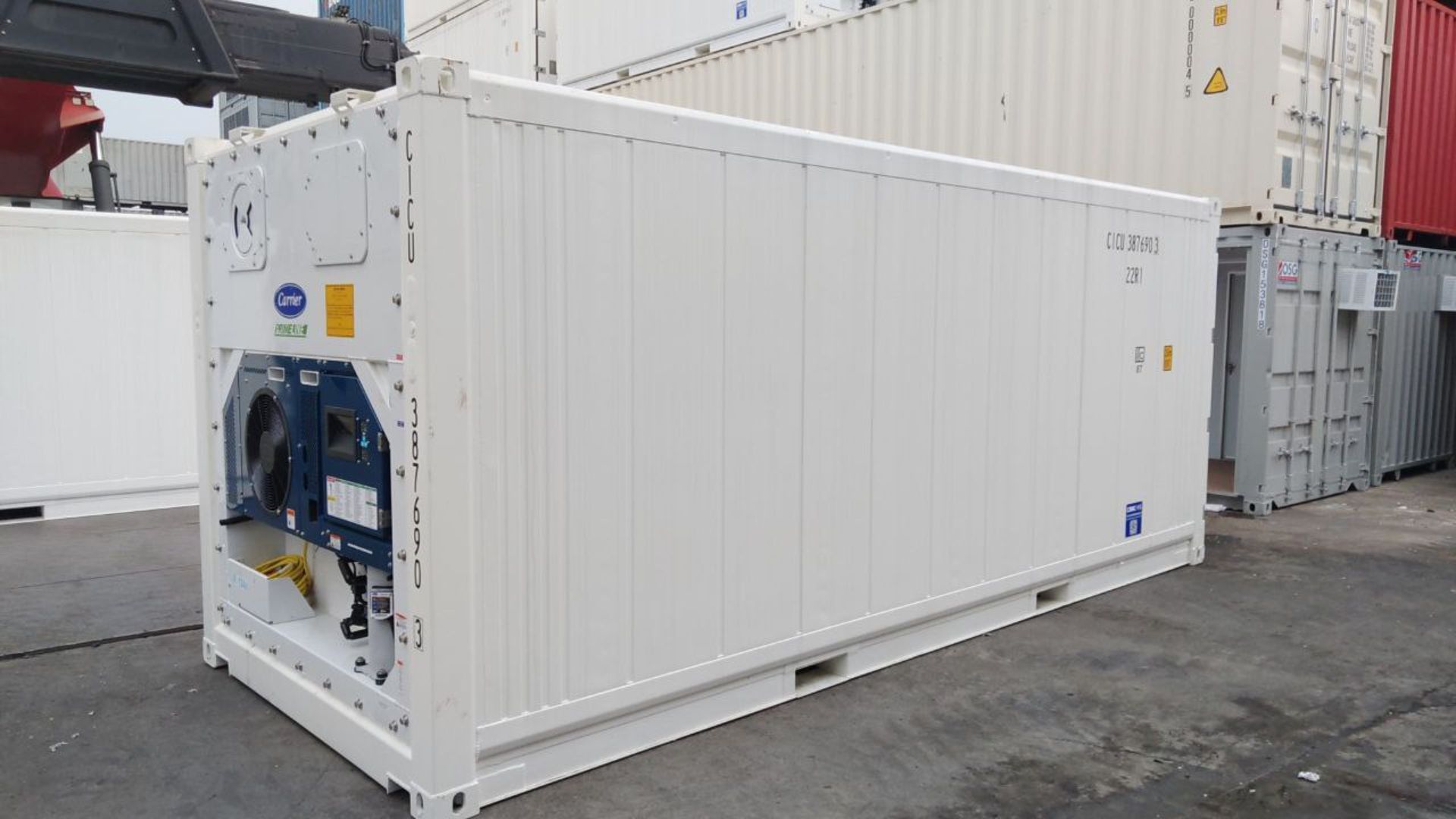
A reefer container is a specialized, temperature-controlled shipping container designed to transport perishable or climate-sensitive freight across global supply chains. It combines an insulated cargo box with an integrated electric refrigeration unit to circulate chilled air, preserving items like fresh produce, pharmaceuticals, and frozen foods within exact thermal boundaries during transit.
A single temperature excursion during transit can destroy hundreds of thousands of dollars in high-value pharmaceuticals, fresh produce, or frozen seafood before the cargo ever reaches its destination port. When cold chain equipment fails on the water or at an inland transfer point, the financial loss rarely stops at the damaged cargo, because you also face salvage disputes, contractual penalties, and lost customer trust. Selecting a reliable refrigerated shipping asset demands far more diligence than checking cosmetic panel condition and confirming that the cooling unit turns on when you switch the main breaker.
Every dependable reefer container depends on a finely balanced thermodynamic system where mechanical cooling machinery, closed-cell insulation, digital sensors, and structural airflow paths work together under severe maritime conditions. If any part of that system falls below commercial standards, power consumption surges, machinery works overtime, and internal cargo temperatures begin to drift dangerously. We have examined thousands of refrigerated fleet assets across global depots, and the units that protect margins year after year are separated from high-risk liabilities by strict, repeatable physical and diagnostic checks.
Temperature Deviations and Hidden Structural Flaws
Standard dry shipping boxes can tolerate minor structural distortion without compromising their core purpose, but temperature-controlled shipping boxes operate under unforgiving thermodynamic laws that penalize small imperfections. The structural shell does not merely protect the load from wind and salt spray; it serves as a thermal boundary designed to resist massive temperature differentials between scorching tropical dockside conditions and deep-frozen interior cargo spaces. When internal structural flaws allow ambient heat to enter the cargo hold, the cooling unit must cycle continuously, accelerating mechanical wear and driving up operational fuel costs.
Internal Heat Leakage from Degraded Insulation
Polyurethane foam blown between the stainless steel interior lining and the aluminum or corten outer skin provides the primary thermal barrier for every refrigerated box in international transport. Over years of service, microscopic cracks in the outer cladding or failed silicone seals around rivet lines allow moisture to penetrate the insulation cavity. Water displaces the insulating gas within the closed-cell foam, increasing thermal conductivity and creating cold spots where internal heat leakage becomes continuous and costly.
You can identify severe foam degradation by inspecting the exterior side panels on humid days, looking for condensation patches or frost lines that indicate cold air escaping through compromised wall sections. When moisture freezes inside the foam core during low-temperature runs, the expansion delaminates the inner stainless steel wall from the structural foam, leaving hollow sections that sound dull when tapped lightly with a rubber mallet. A high-grade reefer container must retain rigid, well-bonded sandwich panels across its entire length to prevent the cooling machinery from working beyond its designed duty cycle during long ocean crossings.
Airflow Obstruction Across Floor Assemblies
Refrigerated cargo spaces rely on a bottom-air delivery concept where conditioned air discharges from the bottom of the evaporator coil, moves beneath the cargo floor, and travels upward through pallet openings. The aluminum T-bar floor forms the return and supply air duct system, meaning that any physical damage to these floor rails directly restricts air distribution throughout the entire box. When heavy forklifts exceed axle load limits during loading, the extruded T-profiles bend or crush together, choking off the ventilation channels beneath the cargo.
Restricted floor airflow creates dead zones where stagnant air pockets heat up, allowing perishable goods stacked toward the container doors to spoil while cargo near the bulkhead remains frozen solid. You should inspect the aluminum floor profile along the full length of the box using a straight edge, confirming that no T-bars have collapsed or cracked along their welded anchor seams. The front bulkhead return-air grille demands equal attention, because dented baffle plates or improperly seated debris screens choke the evaporator fans, causing abnormal pressure drops across the refrigeration circuit.
Why Surface Inspections Fail to Catch Equipment Risks
A freshly washed interior and a clean coat of polyurethane paint across the machinery frame often disguise severe mechanical fatigue in aging marine equipment. Depot technicians routinely steam-clean condensing coils and touch up rust spots on frame members to present a clean visual profile for prospective buyers or leasing managers. Relying solely on visual walkthroughs leaves fleet managers exposed to sudden catastrophic machinery failures that occur only after the box runs under full electrical load for several consecutive days.
Superficial Cargo Box Checks Versus Mechanical Integrity
A spotless stainless steel interior tells you nothing about the internal mechanical condition of the scroll compressor, the electrical insulation value of the evaporator motor windings, or the cleanliness of the expansion valve orifice. Exterior visual evaluations fail to detect hairline fatigue fractures on high-pressure copper discharge lines, which crack under sustained marine vibration and vent the entire refrigerant charge into the atmosphere. Assessing reefers containers requires looking past cosmetic paintwork to examine whether electrical contactors exhibit silver contact pitting, whether wire harness insulation has turned brittle from thermal stress, and whether condensing coils suffer from microscopic galvanic corrosion between copper tubes and aluminum cooling fins.
We often see equipment that passes casual yard inspections only to trip circuit breakers within two hours of loading due to deteriorating motor insulation resistance. The table below illustrates the critical difference between superficial checklist items and the mechanical parameters that truly predict operational longevity in the field.
| Inspection Component | Superficial Visual Check | Technical Integrity Audit | Failure Risk If Overlooked |
|---|---|---|---|
| Refrigeration Compressor | Clean paint on compressor body | Acid test of compressor oil and megohmmeter winding check | Sudden motor burnout and system contamination |
| Condenser and Evaporator Coils | Surface wash and debris clearance | Fin-to-tube bonding integrity and ultrasonic leak sweep | Gradual refrigerant loss and poor heat transfer |
| Microprocessor Controller | Display lights illuminate upon boot | Full event log extraction and sensor calibration verification | Unreported sensor drift causing cargo chilling or freezing |
| Electrical Control Cabinet | Neat wiring and clean exterior casing | Contactor pitting audit, voltage drop test, and thermal imaging | Arcing, blown terminal fuses, and unexpected transit shutdowns |
Overlooking Microprocessor Log Discrepancies
Modern microprocessors record continuous data streams, storing supply air temperatures, return air readings, defrost intervals, and electronic expansion valve positions alongside precise timestamps. Skipping a detailed digital download of these controller records leaves critical diagnostic evidence unreviewed, hiding chronic intermittent faults that do not trigger active dashboard alarms during a brief yard walkaround. Controllers manufactured by Carrier, Thermo King, Daikin, and Starcool log every voltage dip, high-pressure cut-out, and probe failure across months of operation.
You should review these historical data files specifically looking for short-cycling patterns, where the compressor cuts out repeatedly on thermal overload before reaching its commanded setpoint. Pay close attention to temperature offsets between the primary supply probe and the secondary data recorder probe, as any variance exceeding 0.3°C points to failing sensor calibration that will compromise chilled cargo integrity. When controller logs show frequent, unprompted defrost terminations or erratic electronic expansion valve hunting, the unit signals developing component failures that demand immediate workshop repairs before dispatch.
Core Machinery Specifications and Power Parameters to Audit
The cooling system must deliver stable thermodynamic capacity while operating across demanding marine voltage envelopes and fluctuating electrical frequencies supplied by shore power or vessel grids. When you examine a commercial container reefer, checking nameplate data against actual operational draw under load determines whether the machinery complies with international transport standards. Equipment that draws excessive current strains shipboard power plants and generates surplus heat inside the machinery bay, lowering cooling efficiency in high-ambient environments.
Compressor Duty Cycles and Refrigerant Charge Verification
Compressors serve as the mechanical heart of cold chain transport, compressing low-pressure suction vapor into high-pressure discharge gas to move heat outside the cargo box. You must evaluate the compressor duty cycle during steady-state operation, confirming that the unit modulates capacity correctly once the box reaches the specified operating temperature. A unit that runs at full capacity without modulating down under light thermal loads indicates either internal mechanical leakage past compressor reed valves or an incomplete refrigerant charge within the closed circuit.
Verify the refrigerant level through the receiver tank or condenser liquid line sight glass while the cooling system runs under full operational capacity. The indicator ball must float securely near the top of the sight glass without persistent bubbling, and the chemical moisture indicator ring must show a dry green coloration rather than a yellow caution hue that signals water contamination. If you detect moisture in the refrigerant circuit, you must replace the filter drier cores immediately and evaluate the system for low-side suction leaks that draw in ambient air whenever operating pressures drop below atmospheric levels.
Genset Performance and Voltage Tolerances
Inland intermodal movements require clip-on or underslung diesel generator sets to power cooling units whenever railcars or truck chassis lack direct electrical feeds. These generator sets must provide clean 460-volt, three-phase power at 60 Hertz, maintaining steady electrical output when the refrigeration compressor starts under heavy load. Severe voltage drops during motor startup cause starter contactors to chatter, burning out control boards and tripping the main circuit protection relays.
- Connect an external multimeter to the generator output terminals and verify that no-load output voltage stays within 460 volts plus or minus ten percent.
- Start the refrigeration machinery in manual test mode and measure voltage sag during compressor motor engagement, confirming the drop never exceeds fifteen percent of nominal rating.
- Audit the engine speed governor to ensure the diesel powerplant maintains steady frequency output between 58 and 62 Hertz as cooling stages cycle on and off.
- Inspect the generator mounting clamp assemblies and fuel line fittings, checking for metal fatigue or fuel leaks that cause mid-transit electrical starvation on highways.
Physical Sealing and Cargo Box Standards to Mandate
Mechanical refrigeration capacity cannot compensate for an air envelope that leaks cold air out and draws moisture-laden ambient air into the cargo bay. Moisture entering through compromised door gaskets condenses directly against the cold evaporator coil, causing rapid frost accumulation that forces the unit into continuous defrost cycles. Frequent defrosting wastes substantial electrical energy, increases cargo box temperatures, and dries out sensitive agricultural products that require stable relative humidity during transit.
Door Gasket Compression and Thermal Barrier Tests
Refrigerated cargo doors use complex multi-lip ethylene propylene diene monomer rubber gaskets designed to create an airtight seal when door locking bars engage. Over time, UV exposure, chemical washes, and continuous compression cause these rubber seals to stiffen, tear, or lose their elastic recovery memory. If you stand inside the cargo box with the doors fully latched, you should see zero daylight penetrating through the door perimeter, as even a pinprick light leak signals an airflow pathway that compromises transit efficiency.
You can execute a simple light test or a paper strip resistance check along the top and corner edges of the door frame to measure gasket compression uniformity. Place a heavy sheet of paper between the gasket and the stainless door frame, close the cam locks completely, and pull the sheet out by hand; if it slides out freely without resistance, the door hinges need realignment or the gasket requires immediate replacement. Premium reefer containers utilize specialized thermal breaks around the door frame extrusions to stop heat from traveling through the metallic structure, and you must check these plastic insulators for cracks, displacement, or missing sections.
Floor T-Bar Alignment and Drainage Integrity
The aluminum flooring must bear dense wheel loads while channeling condensation away from the cargo and directing it toward automated drain traps. Every corner of the floor pan contains drain openings equipped with flexible rubber kazoo valves or mechanical one-way check balls designed to let wash water and condensation flow out without letting warm outside air rush in. When road grit, paper debris, or organic residue plugs these drainage points, trapped condensation pools across the subfloor, freezes into solid ice sheets during sub-zero runs, and blocks air movement through the floor channels.
Clear every drain opening by flushing clean water through the floor pan, confirming that each kazoo valve drains freely and snaps closed when drainage stops. Check the perimeter welds where the aluminum floor assembly meets the stainless steel interior side scuff-liners, as cracked welds allow washdown water to soak directly into the floor insulation panels below. A sound floor assembly keeps the cargo elevated above pooled water, preserves the uniform cross-section of every airflow channel, and protects the structural foam substrate from moisture-driven rot.
Confirming Operational Reliability Before Dispatch
Never release a temperature-controlled asset into service based on static mechanical inspections alone, because dynamic operational testing under automated diagnostic protocols is mandatory. Every major marine equipment manufacturer builds automated testing routines into their controller software to evaluate individual electrical components under simulated working conditions. Completing these automated diagnostics validates equipment readiness and provides time-stamped proof of due diligence before valuable cargo is placed in your care.
Executing Automated Pre-Trip Inspection Protocols
The automated Pre-Trip Inspection sequence executes a rigorous series of diagnostic steps that test the operational envelope of each sensor, valve, motor winding, and heating element across thirty to ninety minutes. You should mandate a complete, full-length automated test rather than a shortened check whenever equipment has sat idle in a depot for more than thirty days or has undergone recent mechanical repairs. The controller runs through compressor motor tests, cycles the condenser and evaporator fans across low and high speeds, verifies heater element resistance, and opens and closes digital modulation valves to detect mechanical sticking.
If the testing system flags a fault code during the cycle—such as a failure on an evaporator high-speed winding or an uncalibrated defrost termination sensor—do not bypass the alarm or clear the fault memory without replacing the affected part. Dispatching a cntr reefer with unresolved diagnostic trouble codes invites unmonitored mid-voyage failures where remote repair options are non-existent. Once the test sequence concludes with an official pass confirmation, download the digital certification record directly from the controller port to accompany the shipping documentation.
Monitoring Pulldown Times and Temperature Hold
The final physical validation requires running an active temperature pulldown test from ambient conditions down to sub-zero operational levels. This test measures the real-world cooling capacity of the thermodynamic circuit under standard atmospheric pressure, demonstrating whether compressor displacement and refrigerant mass flow match design specifications. A system that takes four hours to pull down an empty cargo box that should reach setpoint in ninety minutes suffers from restricted refrigerant flow, worn compressor rings, or fouled heat exchanger surfaces.
- Set the digital controller setpoint to -18°C while the empty container stands in a dry depot testing bay under recorded ambient temperatures.
- Start the unit and monitor the rate of temperature decrease on the controller screen, logging elapsed time against standard manufacturer pulldown curves.
- Observe the suction and discharge pressure gauges as the system passes through the freezing zone, verifying that suction pressure tracks smoothly without hunting.
- Once the cargo interior reaches -18°C, switch the unit off completely for sixty minutes and measure interior temperature rise to confirm the cargo box meets thermal hold standards without rapid thermal loss.
Frequently Asked Questions
How does a reefer container work?
The equipment functions as a closed-loop refrigeration system that circulates chilled air beneath, around, and through cargo to maintain a set temperature. An electric compressor pumps refrigerant through a condenser coil, discharging heat into the ambient outside air, before sending expanded, chilled refrigerant through an evaporator coil inside the container. Evaporator fans pull air from the cargo ceiling, push it down through the cold evaporator coil, and force it out across the aluminum T-bar floor channels. This bottom-air delivery system creates a continuous upward curtain of chilled air that absorbs heat from the cargo and returns to the refrigeration unit.
What is a genset for a reefer container?
A genset is an independent, diesel-powered generator set built specifically to supply continuous three-phase electrical power to refrigerated shipping equipment during over-the-road trucking or rail transit. Marine refrigeration units require steady 460-volt, 60-Hertz electrical power, which standard highway tractors and train flatcars cannot provide from their onboard batteries. Gensets mount directly to the front upper frame of the container as clip-on units or mount beneath the truck chassis as underslung units, carrying their own fuel tanks to keep the cooling system operating during cross-country transport.
How to set temperature on reefer container?
You configure the operational temperature through the digital microprocessor controller display mounted on the front machinery faceplate. Power on the unit, press the setpoint selection button on the keypad, and use the arrow keys to adjust the digital target temperature to your cargo specification. Press the enter key to store the chosen setting in memory, confirming that the screen updates to show both the new setpoint and the active supply and return air temperatures. For chilled cargo requiring continuous fresh air, adjust the manual fresh air exchange vent to the designated cubic meters per hour alongside the digital temperature selection.
How many pallets fit in a 40ft reefer container?
A standard 40-foot refrigerated shipping container accommodates 20 standard ISO pallets measuring 1000mm by 1200mm, or 23 standard Euro pallets measuring 800mm by 1200mm. The internal cargo capacity of a refrigerated unit is slightly smaller than a standard dry shipping box because thick polyurethane foam walls and the front evaporator machinery bulkhead consume interior space. When loading pallets, you must stay within the marked red load line along the upper interior walls to prevent cargo from obstructing the overhead return-air path to the cooling fans.
Protecting perishable supply chains requires disciplined technical checks across every mechanical, digital, and physical component of your cold chain assets. If you are buying or leasing fleet units, auditing depot testing procedures, or evaluating operational equipment for your regional logistics networks, our engineering team can help you build inspection standards that safeguard valuable cargo from origin to destination.
Looking for a 10ft, 20ft or 40ft Reefer Container? Check out our Reefer Containers NOW!