Procuring a Mobile Toilet for Site Operations
Site operations stall when welfare facilities fail, creating project delays, regulatory penalties, and dissatisfied crews. When managing an infrastructure project, industrial shutdown, or outdoor event, you need hygienic amenities that arrive on schedule and remain serviceable under heavy usage. Successful procurement demands assessing holding tank capacities, scheduled servicing routes, local environmental compliance, and site access constraints.
Evaluating Standard Portable Toilets
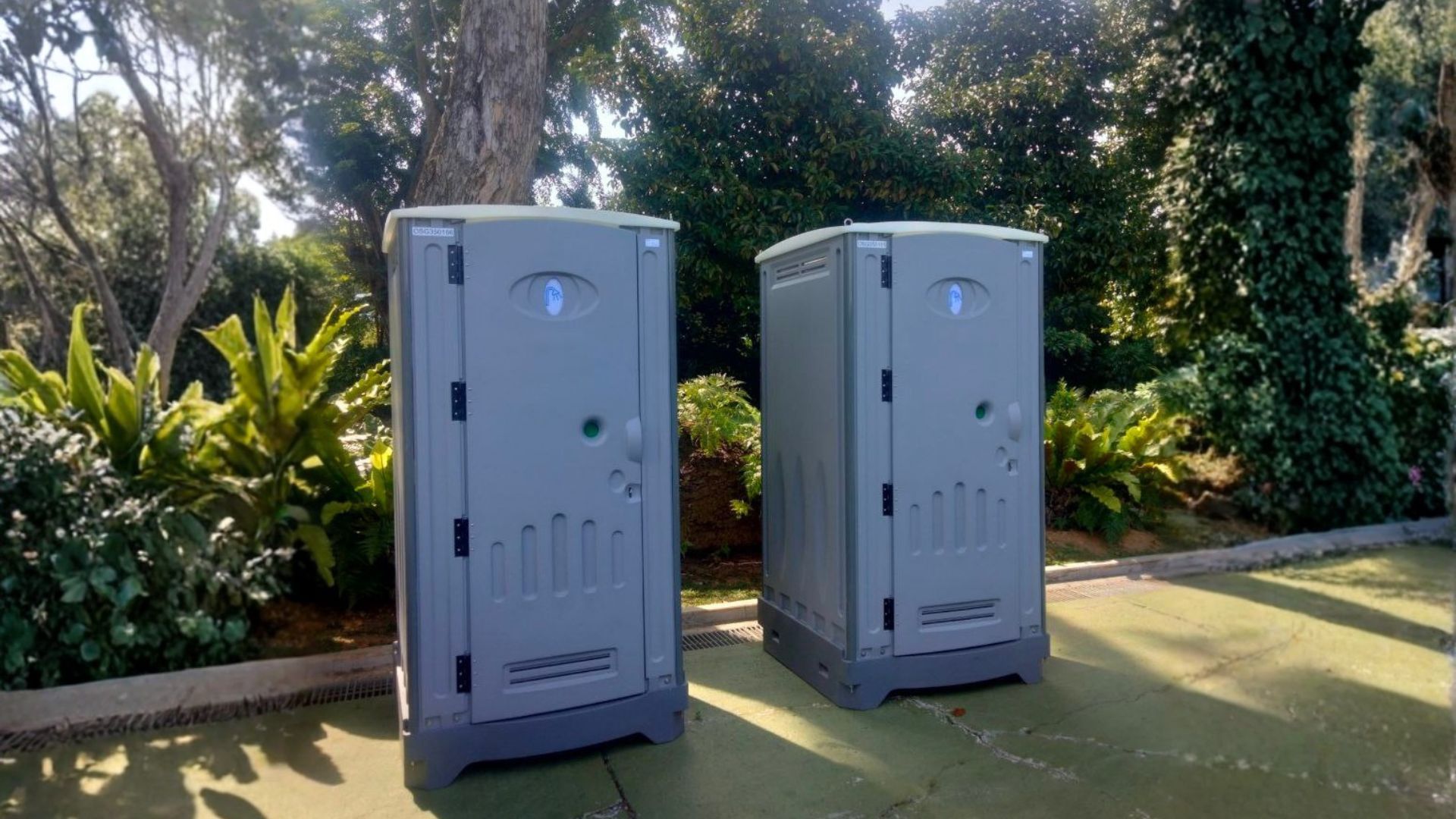
Standard chemical units remain the default choice for civil construction jobs and temporary work zones because they are lightweight, easily moved across uneven ground, and simple to set up. When we evaluate standard portable toilets for high-turnover field work, we focus on whether the structure withstands rigorous daily wear while protecting your workers from harsh weather and foul odours.
Operational Footprint and Capacity
A single chemical cubicle occupies a small footprint of roughly one square metre, making it ideal for compact urban work zones where space is at a premium. These units feature an integrated holding tank beneath the seat, which stores effluent until a vacuum pump truck arrives for clearing. Because they rely on static waste storage, their holding capacity directly dictates how many workers one unit can safely support before the tank approaches its operational limit.
You cannot simply crowd more workers onto a single cubicle without risking overflows and severe hygiene breakdowns. Under regular full-day work shifts, a standard unit typically serves an operational crew of ten to fifteen people when technicians empty it on a weekly schedule. If your headcount increases, you must either expand the number of cubicles placed across the compound or order more frequent service visits from your provider.
Servicing and Maintenance Demands
Chemical cubicles do not run on automated utility networks, so their cleanliness depends entirely on manual servicing schedules and reliable pump truck access. Service technicians must access the unit via a clear road, connect a vacuum hose to drain the waste tank, and refill the chemical reservoir with deodorising biocides. If your site team parks machinery in front of the access path or blocks perimeter roads, scheduled servicing cannot occur, and conditions deteriorate rapidly.
Routine maintenance tasks must follow strict health and sanitation procedures during every service call:
- Waste extraction using an industrial vacuum suction line to empty the chemical holding reservoir completely.
- Chemical recharging with water and sanitising additives designed to control bacteria, suppress insect breeding, and neutralise ammonia odours.
- High-pressure washing of interior wall panels, door handles, toilet seats, and non-slip floor grating to eliminate surface contamination.
- Consumable replenishment including heavy-duty toilet tissue, chemical hand sanitiser, and liquid hand soap dispensers.
Suitability for Workplace Environments
We recommend standard chemical cubicles for fast-moving perimeter work, highway repaving jobs, and temporary staging zones where utilities cannot reach. If you run a crew that shifts locations every few weeks along an expanded corridor, these lightweight cabins allow prompt crane or forklift repositioning. They are rugged enough to withstand direct sun and rain, yet cheap enough to scale up or down as subcontractor headcounts fluctuate.
However, you should not deploy standalone chemical units inside executive compounds, long-term administrative staging areas, or high-density indoor industrial projects. The lack of running tap water and the reliance on chemical holding tanks makes them uncomfortable for round-the-clock administrative teams. For permanent or extended staging areas, upgrading to self-contained or plumbed equipment delivers better hygiene and preserves worker morale.
Assessing Self-Contained Mobile Units
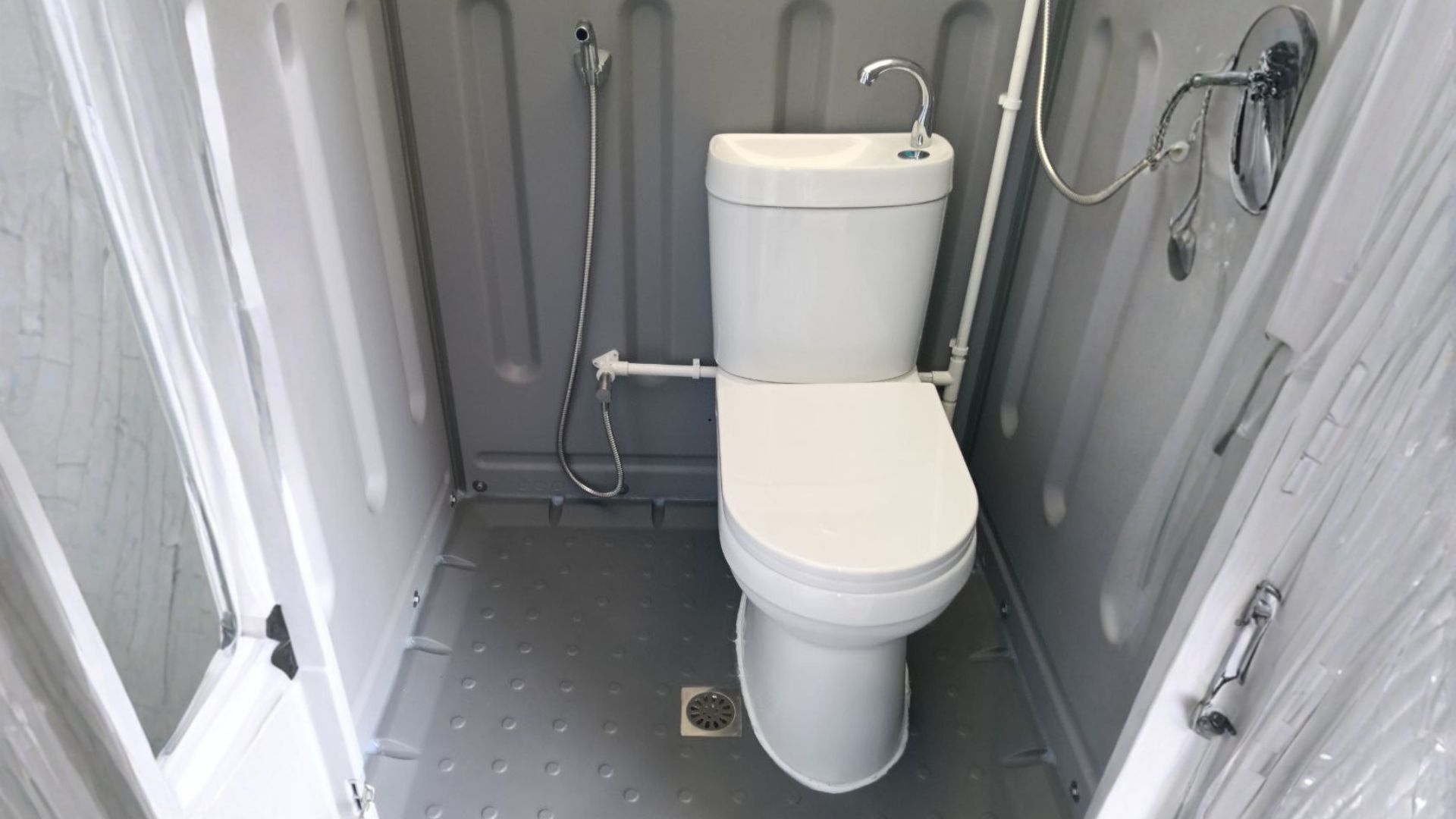
When you oversee major turnarounds, utility plant maintenance, or multi-month building developments, baseline cubicles rarely satisfy internal welfare standards. Deploying a self-contained mobile toilet gives your workforce running water, mechanical ventilation, and enhanced washroom fixtures without forcing you to dig sewer trenches or connect to municipal water mains immediately.
Operational Footprint and Capacity
Self-contained units usually come built into rigid steel frames, modified shipping containers, or towable trailer chassis that demand substantial clear ground. Unlike basic plastic cubicles, these systems house internal fresh water supply tanks alongside their blackwater holding chambers, requiring a much larger footprint on your staging plan. You must allocate firm, level ground capable of bearing the total weight of the structure when its fluid reservoirs are full.
These larger assets support greater usage density by combining multiple toilet cubicles, wall urinals, and handwash basins within a single unified enclosure. The integrated freshwater pump drives actual flush mechanisms and running faucets, which prevents waste from lingering under open view. Consequently, a self-contained cabin handles continuous usage throughout heavy shift changes while maintaining a clean, professional restroom atmosphere.
Servicing and Maintenance Demands
Operating a self-contained system involves managing two distinct fluid systems: replenishing clean wash water and evacuating waste reservoirs. Technicians cannot service these complex setups with a simple quick-drain visit; they must verify booster pump pressures, check electrical connections for ventilation fans, and inspect tank level sensors. If your unit relies on an onboard generator or direct site power, electrical stability becomes another critical operational factor.
Because these units incorporate moving mechanical parts, your facility team must track maintenance intervals with greater technical oversight:
- Freshwater supply monitoring to confirm that water pressure booster pumps and header tanks maintain sufficient flow for active flushes and wash taps.
- Mechanical pump checks to ensure that vacuum transfer lines or macerator pumps move solid waste smoothly without line clogs.
- Ventilation filter clearing to keep louvres and extraction fans operating quietly without drawing site dust into the cubicles.
- Structural inspections of access stairs, safety handrails, and levelling jacks to prevent structural shifts on soft ground.
Suitability for Workplace Environments
Self-contained cabins represent the best practical balance when managing mid-tier supervisory teams, long-duration civil construction, or public-facing events. We recommend these units whenever your workers remain stationed at a central depot for three months or longer. The presence of mirrors, bright lighting, running taps, and flushing basins creates an environment that closely resembles standard building amenities.
The trade-off lies in transport logistics and site placement costs. You cannot drag a heavy steel welfare cabin across mud tracks using a light utility vehicle, nor can you place it where heavy cranes cannot swing. If your project demands high mobility across rugged wilderness or shifting pipeline trenches, the operational footprint of these units may prove too rigid for your workflow.
Comparing Dedicated Regional Deployments
Industrial sanitation requires careful planning when working in densely populated, highly regulated territories with tropical weather conditions. Deploying a portable toilet Singapore site managers approve requires strict adherence to environmental public health guidelines, vector control rules, and comprehensive vector-borne disease prevention. The hot, humid climate accelerates chemical breakdown and biological decomposition, which quickly magnifies any minor flaw in servicing discipline.
Operational Footprint and Capacity
In high-density industrial corridors, land space comes at a premium, and site boundaries often border existing public roads, commercial properties, or active drains. You must position your sanitation assets to prevent any accidental runoff into open storm water channels while keeping them easily reachable for servicing tankers. Selecting the right setup demands a clear comparison of equipment dimensions, water requirements, and waste handling capabilities.
| Equipment Classification | Physical Footprint | Water Dependency | Target Daily User Capacity | Primary Site Use Case |
|---|---|---|---|---|
| Standard Chemical Cubicle | 1.2m x 1.2m standalone | Internal chemical recirculating tank | 10 to 15 personnel | Early civil works, perimeter security, short events |
| Towable Welfare Trailer | 2.4m x 4.8m chassis footprint | Self-contained fresh and waste tanks | 25 to 40 personnel | Highway construction, moving pipeline crews |
| Modular Containerised Block | 2.4m x 6.0m container size | Plumbed mains or dedicated booster skid | 50 to 80 personnel | Main site depots, processing plants, shipyards |
Servicing and Maintenance Demands
Tropical conditions demand accelerated maintenance cycles compared to cooler regions. In hot environments, static holding tanks become breeding hazards for pests if anti-mosquito measures and biocide dosing are neglected. Service teams must maintain rigorous pump-out intervals, replacing deodorising fluids before extreme ambient heat weakens their active sanitising agents and causes intense smells.
Local environmental regulations strictly prohibit discharging untreated wash water or chemical toilet effluent into common stormwater networks. Every litre of extracted waste must be tracked, transported in approved tankers, and cleared through official municipal water reclamation plants. When choosing an equipment supplier, you must demand documented disposal records to prove that your site waste does not end up in unauthorized local drains.
Suitability for Workplace Environments
A regional deployment must balance intense operational usage against stringent environmental health inspections by government authorities. If your project sits within an established industrial estate, environmental inspectors will issue stop-work orders if foul odours disturb neighbouring factories or if standing water in wash areas attracts mosquitoes. A well-ventilated, thoroughly maintained unit shields your project from costly administrative shutdowns.
We advise using heavy containerised blocks for main fabrication yards and reserving basic chemical units exclusively for peripheral crane operators and security checkpoints. Container blocks handle tropical rainstorms without shifting, provide shaded interior waiting zones, and feature high ceilings that prevent heat buildup. Matching the unit type to specific zone requirements prevents hygiene failures before they emerge.
Reviewing Managed Service Agreements
Procuring sanitation units without a comprehensive maintenance contract is a reliable recipe for operational failure on busy jobsites. Arranging a mobile toilet rental Singapore contractors depend on involves securing a comprehensive service agreement that includes delivery, regular vacuum servicing, emergency unblocking, and eventual demobilisation. The reliability of your vendor matters far more than minor price differences between unit rental fees.
Operational Footprint and Capacity
A service contract must clearly define your site layout and specify precise access routes for heavy maintenance vacuum tankers. Your supplier needs to review access dimensions, gate clearances, and road load ratings before delivering units to your facility. If you position sanitation cubicles beyond the reach of standard twelve-metre suction hoses, technicians cannot service the tanks without driving heavy trucks over unpaved ground.
Your contract should include flexible scaling terms so you can adjust the number of active cubicles as your workforce changes over the project lifecycle. During initial excavation work, your team might only need three units, but structural and interior phases might demand twenty cabins across several floor levels. A strong rental agreement accommodates these fluctuating worker counts without demanding entirely new procurement contracts each time.
Servicing and Maintenance Demands
When drafting service agreements, insist on clear service frequency metrics rather than generic promises of regular maintenance. Specify the exact days of the week, the expected arrival times, and the emergency response windows for plumbing faults or overflowing tanks. In busy industrial operations, we recommend scheduling vacuum pumping during shift changes or early morning hours so servicing does not block main site access routes.
A thorough service agreement must define specific vendor responsibilities to protect your daily operations:
- Guaranteed cleaning frequency covering at least two to three thorough washings and waste extractions per week for standard construction setups.
- Rapid breakdown response to resolve blocked flush valves, broken door latches, or pump failures within a set operational timeframe.
- Consumable restocking ensuring consistent supplies of commercial toilet tissue, hand sanitising gel, and deodoriser blocks during every visit.
- Legally compliant waste manifests proving that all collected sewage was cleared through licensed industrial treatment facilities.
Suitability for Workplace Environments
Managed rental agreements protect your site managers from wasting valuable time on basic facility troubleshooting. When you handle waste extraction through random one-off calls, prices climb and response times become unpredictable. A fixed rental contract establishes clear accountability, ensuring a dedicated account manager oversees sanitation while your project team stays focused on construction milestones.
If you run high-security sites like petrochemical plants, airbases, or utility substations, your rental partner must also hold the required security clearances. The vendor's drivers, pump operators, and service personnel need pre-cleared access passes, safety certifications, and matching personal protective equipment. Choosing a vendor without these credentials will cause long delays at your security gates every time their service tanker arrives.
Choosing the Right Setup for Your Facility
Selecting the ideal sanitation system demands a clear evaluation of your ground conditions, project duration, utility access, and worker headcounts. When sourcing a mobile toilet Singapore safety officers will sign off on, you must look beyond upfront rental rates and evaluate the total cost of ownership, including servicing, plumbing, and site preparation. A cheap cubicle with poor service support quickly turns into an expensive headache if it disrupts operations.
Project Duration and Volume Considerations
Short-term works, such as emergency pipeline repairs or three-day industrial inspections, warrant standard chemical cubicles on simple hire terms. Because site teams move on quickly, investing in electrical hooks or freshwater supply pipes makes no financial sense. You simply secure durable cubicles, schedule frequent cleanings, and remove the assets the moment works conclude.
Long-term construction projects lasting several months or years demand a phased procurement approach to maintain hygiene standards without overspending:
- Evaluate project milestones and worker counts to determine how welfare needs expand from early groundworks to peak fit-out phases.
- Survey the site ground and utilities to identify firm, level staging ground, available single-phase power connections, and accessible freshwater mains.
- Select your equipment structure by using lightweight chemical units along outer perimeters and heavy plumbed container blocks at central gathering zones.
- Establish a service contract that guarantees cleaning frequencies, provides waste disposal tracking, and includes rapid-response plumbing repairs.
- Review unit cleanliness weekly to verify that your vendor cleans thoroughly and that your workforce treats the facilities with care.
Procurement and Compliance Evidence
Never sign off on sanitation procurement without verifying that your equipment supplier complies with local workplace safety and health laws. Ask the vendor for proof of public liability insurance, equipment maintenance records, and government-approved waste disposal permits. When you maintain complete records of these safety documents, you protect your company from regulatory fines and ensure your workers have access to clean, safe amenities.
We consistently advise project directors to inspect equipment yards in person before signing broad master service agreements. Seeing how a vendor cleans their rental fleet, stores spare parts, and maintains vacuum pump tankers tells you everything about their service reliability. If their staging yard is disordered and full of broken cubicles, their field service will likely suffer from the same neglect.
If you are planning an upcoming deployment and need guidance on unit allocations, servicing frequencies, or compliance specifications, speak with our team to design a practical sanitation plan for your site.
Frequently Asked Questions
What is a mobile toilet?
A mobile toilet is a self-contained, transportable sanitation unit designed to provide safe, hygienic waste disposal in areas lacking permanent plumbing fixtures. These units range from single chemical cubicles to trailer-mounted restrooms and containerised blocks with running water. Site managers can deploy them across construction sites, industrial plants, and temporary public events using cranes, forklifts, or trailers.
Searching for a Mobile Toilet? Have a look at our Instaloo NOW!