
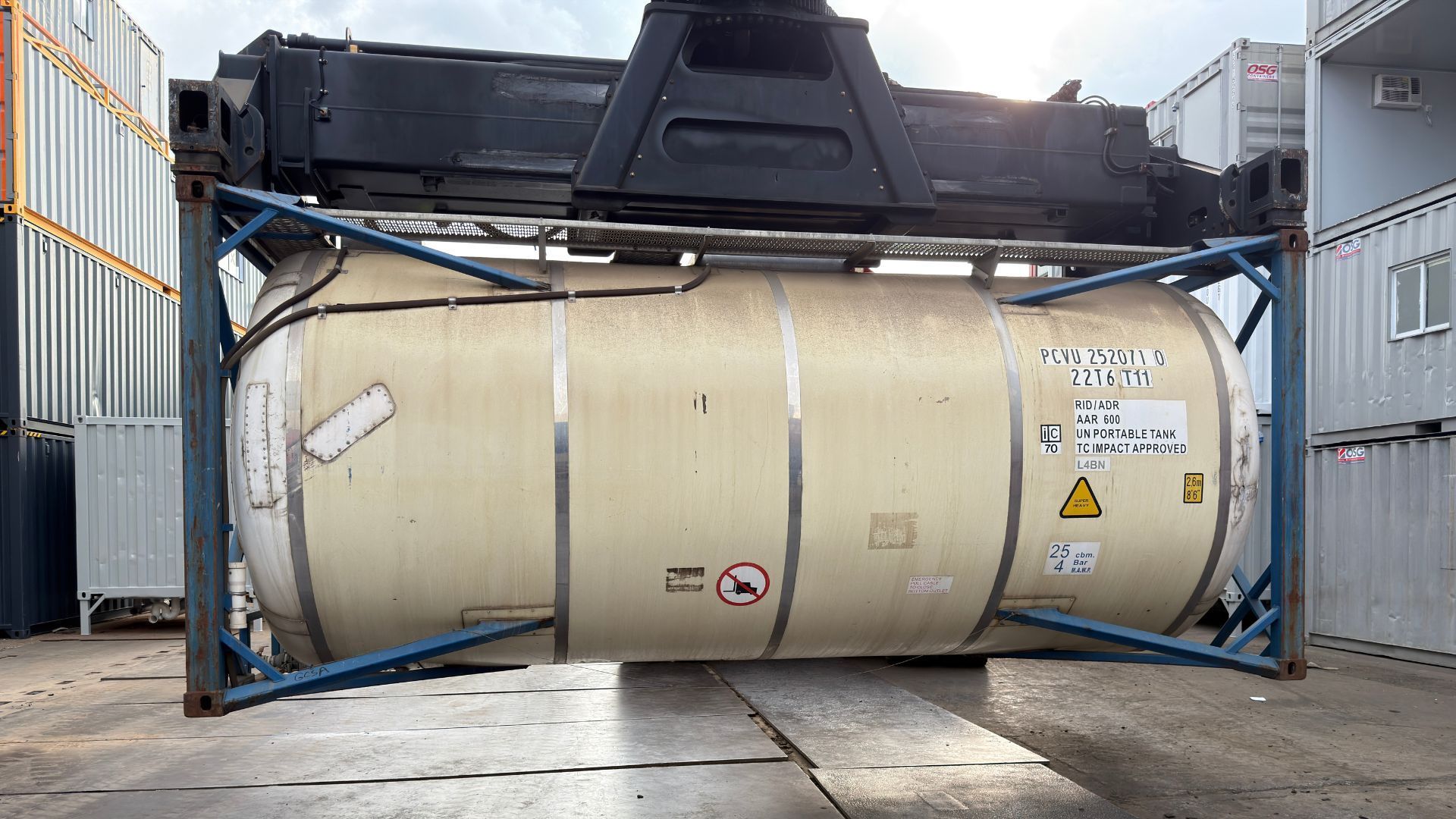
Comparing ISO Tank and Container Costs
An ISO Tank lowers freight costs for bulk liquids by carrying up to 40 percent more payload than a standard dry container packed with drums. While an iso container has lower upfront lease fees, an ISO Tank eliminates drum packaging, cuts product waste, and slashes loading times, delivering lower net costs per litre.
You face a direct trade-off between payload efficiency and capital expense whenever you move high-volume cargo across ocean and rail corridors. Standard dry boxes handle packaged goods reliably, but liquid bulk demands a distinct financial and mechanical strategy. We see shippers overpay for drum disposal and packaging waste when they default to dry vans for bulk cargo. Chemical producers also tie up capital in specialised tank hardware when spot dry boxes would serve them better. Deciding between a specialised tank system and general dry freight equipment requires you to look beyond port-to-port line-haul rates and evaluate turnaround times, tare weight limits, and depot cleaning bills.
When Should You Choose a Standard ISO Container?
You should choose a standard iso container when shipping packaged, non-liquid goods that require predictable handling, widely available equipment, and low box lease rates. The dry van remains the backbone of general intermodal transport because every ocean terminal and inland rail yard handles its standard corners without custom rigging. Choosing a single standard iso container gives you predictable dry-van mechanics, simple terminal handling, and access to the deepest pool of ocean freight space available globally.
Capacity and Specifications
A standard 20-foot dry unit carries roughly 33 cubic metres of volume within external dimensions of 20 feet in length, 8 feet in width, and 8.5 feet in height. The gross weight rating typically hits 30,480 kilograms, which leaves an allowable cargo payload of around 28,200 kilograms after subtracting a tare weight of roughly 2,200 kilograms. When you pack palletised drums or intermediate bulk containers into this space, you sacrifice internal footprint to cargo securing, pallet corners, and mandatory top voids. Standard 55-gallon drums rarely let you pack more than 16,000 litres into a 20-foot box safely. That means you pay line-haul ocean rates on dead space and packaging wood rather than commercial product.
Acquisition and Handling Costs
Dry boxes carry the lowest initial capital expense across maritime freight hardware. You can buy a standard box directly from factory production runs or tap secondary trading markets where used units trade actively based on their cargo-worthy status. Port lift charges remain minimal because straddle carriers and reach stackers move standard boxes without secondary spreader adjustments. Demurrage and detention fees accrue slowly compared to specialised equipment, giving you wider operational grace periods at inland rail ramps.
Operational Suitability
We recommend dry boxes when your cargo travels in rigid packaging or when secondary reuse at destination is your priority. If you ship non-hazardous dry chemicals, auto parts, or shelf-stable agricultural goods packed in bags, this equipment serves you best. It fails, however, when you try to force bulk liquids into single-use flexitanks inside standard boxes; bulking out the sidewalls can crack vertical posts, damage the CSC plate certification, and trigger steep depot repair claims at your expense.
How Do iso containers Perform in Intermodal Transport?
Standard iso containers provide unmatched routing density and rapid transfer speeds across maritime, rail, and highway networks. Managing an international network requires running multiple box sizes across maritime and rail corridors without interrupting line-haul transfers. Shippers deploy fleets of standard iso containers across standard 20-foot, 40-foot, and 45-foot footprints to balance volume against highway axle-weight caps.
Capacity and Specifications
While 20-foot boxes hit weight limits quickly, 40-foot dry and high-cube units provide 67 to 76 cubic metres of interior volume. The payload envelope stays close to 26,500 to 28,000 kilograms because the tare weight of a 40-foot steel structure increases to roughly 3,800 kilograms. You run into gross vehicle weight rating caps on road chassis long before you fill the volumetric interior of a high-cube box with dense chemicals or heavy metals, making unit length an exercise in weight distribution rather than raw capacity.
Acquisition and Handling Costs
Scaling across dry units demands minimal capital reserves because leasing desks maintain massive inventories across every major trade lane. Daily per-diem leases remain low, allowing you to absorb seasonal volume swings without long-term balance-sheet liabilities. Handling costs remain uniform across every terminal:
- Standard crane spreader cycles average less than two minutes per box.
- Depot gate-in checks require only rapid visual sweeps for corner-cast damage or floor gouges.
- Storage fees at marine yards follow standard baseline tariffs rather than specialised hazardous containment surcharges.
Operational Suitability
If your cargo consists of finished goods, palletised freight, or diverse dry parcels moving across complex multi-stop corridors, general dry boxes provide the best route density. Rail ramps in inland junctions switch these containers effortlessly between well-cars and flatbeds. You should avoid running them for liquid bulk unless your supply chain completely lacks depot cleaning infrastructure at destination terminals, leaving you no choice but disposable bladder packaging.
Why Use an iso tank for Bulk Liquid Transport?
You should use an iso tank for bulk liquid transport to maximize payload, eliminate single-trip packaging waste, and ensure safer transit for chemical or food-grade products. When your cargo shifts from discrete packages to raw liquid chemicals, food-grade oils, or liquefied gases, packing drums inside a dry box creates waste and safety risk. Moving bulk product inside an iso tank places your cargo directly inside a cylindrical stainless steel pressure vessel mounted within an external ISO structural frame.
Capacity and Specifications
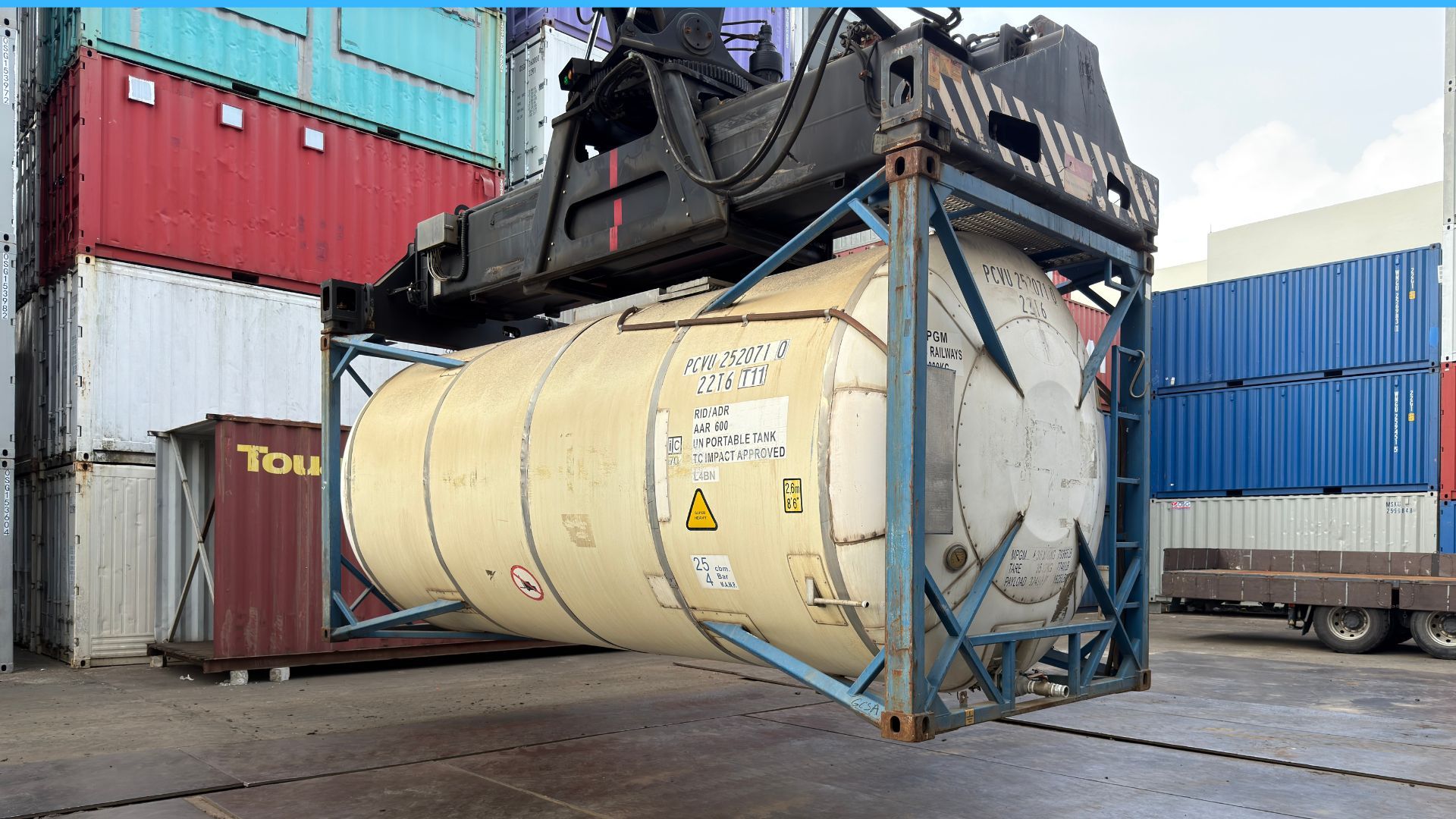
A typical 20-foot liquid tank provides an internal capacity ranging between 21,000 and 26,000 litres inside the same external dimensions as a 20-foot dry box. Built primarily from 316-grade stainless steel with high-density polyurethane insulation and an external aluminium or glass-reinforced plastic cladding, the unit features a tare weight of roughly 3,500 to 4,200 kilograms. This geometry lets you load up to 27,000 kilograms of liquid product, filling the vessel to the legally required 80 to 95 percent fill line to prevent violent liquid surge during rail humping or emergency braking.
Acquisition and Handling Costs
A tank vessel demands substantial upfront capital, costing significantly more than a dry freight container due to precision welding, relief valves, burst discs, and integrated steam or electric heating jackets. Operational expenses shift from disposal fees to maintenance checks:
- You pay for mandatory statutory checks every 2.5 and 5 years to verify frame integrity and hydrostatic seal.
- Specialised cleaning bays must wash, steam, and dry the interior barrel after every discharge cycle.
- Trained operators must certify atmospheric purity before the unit returns to active loading status.
Operational Suitability
We favour this setup for any recurring corridor moving hazardous liquid chemicals, industrial solvents, or food products like juices and spirits. Direct bottom-discharge valves let terminal crews empty 25,000 litres in roughly ninety minutes with zero packaging waste, eliminating the cost of twenty steel drums or intermediate bulk containers. You eliminate the labour of strapping pallets, the expense of drum disposal, and the product residue that clings to discarded containers.
How Do Fleet Logistics Work for iso tanks?
Fleet logistics for iso tanks operate on structured, closed-loop cycles requiring dedicated depot cleaning, regular statutory inspections, and active repositioning management. Scaling a dedicated liquid operation means running fleets of standardised iso tanks across closed or semi-closed balance loops. You swap single-trip disposable packaging expenses for structured fleet management, repositioning dead-head runs, and managed depot turnaround cycles.
Capacity and Specifications
Tanks configured for fleet operations span multiple standard types to handle diverse chemical profiles:
- T11 tanks carry non-hazardous and light toxic chemicals with bottom discharge under standard working pressures.
- T14 tanks handle corrosive acids using top-discharge systems and specialized internal rubber or phenolic linings.
- T50 gas tanks use thick carbon steel shells to withstand high pressures for propane, butane, and refrigerant gases.
- Food-grade units run dedicated heating systems to keep edible fats and oils liquid throughout transit.
Acquisition and Handling Costs
Operating a fleet changes your cost curve entirely. While dry freight relies on low daily lease rates, managing bulk liquid hardware ties your capital to specialised depot turnarounds. You must budget for intermediate cleaning costs, residue waste disposal, valve rebuilds, and replacement gasket seals. You also take on the cost of repositioning empty units back to chemical export hubs, because bulk liquid corridors rarely enjoy perfectly balanced return cargo.
Operational Suitability
Deploy a tank fleet if you maintain consistent, high-volume shipping lines between fixed production plants and industrial blenders. The cost savings over packaged drums show up quickly on steady lanes:
| Transport Method | Usable Volume (Litres) | Tare Weight (kg) | Packaging Waste | Discharge Time |
|---|---|---|---|---|
| 20ft Dry Box with 55-Gallon Drums | 14,000 – 16,000 | ~2,200 (box only) | High (70–80 steel drums) | 3 – 5 hours (forklift & unpallet) |
| 20ft Dry Box with Single-Use Flexitank | 18,000 – 24,000 | ~2,350 (box + bladder) | Moderate (plastic bladder disposal) | 2 – 3 hours (pump connection) |
| 20ft Dedicated Bulk Tank Unit | 21,000 – 26,000 | 3,500 – 4,200 | Zero (reusable vessel) | 1 – 1.5 hours (gravity / pump) |
The numbers show clear advantages. You move nearly 40 percent more product per container lift compared to drummed freight, which lowers your ocean freight cost per litre significantly across year-long supply contracts.
How Do You Select the Right isotank Configuration?
To select the right isotank configuration, match your cargo's specific gravity, heating requirements, and chemical corrosiveness against the vessel shell volume and tare weight. Your ultimate operational choice depends on cargo volume, terminal capabilities at the destination port, and your ability to manage round-trip turnaround times. Choosing the proper isotank requires weighing liquid density against tare weight so you avoid paying for unused shell space or running into highway axle-weight violations on the final mile.
Cost-to-Volume Assessment
To choose between bulk hardware and dry packaging, calculate your total delivered cost per litre rather than comparing surface lease rates. Packaging twenty tonnes of chemical intermediate into steel drums adds significant costs for the barrels themselves, secondary dunnage, strapping, and loading labour. A single bulk tank vessel carries more volume inside the same shipping slot, dropping your line-haul rate per tonne by twenty to thirty percent. If your receivers take raw product directly into storage silos via bulk hoses, skipping packaged drums saves them substantial local handling costs.
Cargo Compatibility and Compliance
Match your cargo to the tank shell specification before you sign a multi-year master lease agreement:
- Check the product safety data sheet for specific gravity to calculate whether a 21,000-litre or 26,000-litre shell hits the gross chassis limit first.
- Verify whether your chemical needs an insulated shell with steam heating runs or electrical heat tracing to prevent solidifying in transit.
- Review chemical reactivity to confirm whether standard 316-grade stainless steel requires specialized passivation or internal PTFE liners.
- Confirm that destination depots hold certification to wash the target product cleanly without violating local environmental water codes.
Operational Trade-Offs and Verdict
We advise clients to choose the standard dry box when shipping volumes stay below five loads per quarter, when cargo travels to remote inland destinations lacking approved wash depots, or when your buyers lack bulk storage tanks. For high-volume, recurring bulk liquid corridors, we recommend deploying specialized bulk vessels. The higher initial equipment cost and return cleaning bills pay for themselves through denser payload packing, zero single-use packaging waste, and significantly faster discharge cycles at the receiving dock. If you want to audit your current shipping lanes and evaluate equipment choices, our team can help you review your volume metrics and select the most profitable hardware configuration.
Searching for a ISO Tank? Have a look at our ISO Tanks NOW!