
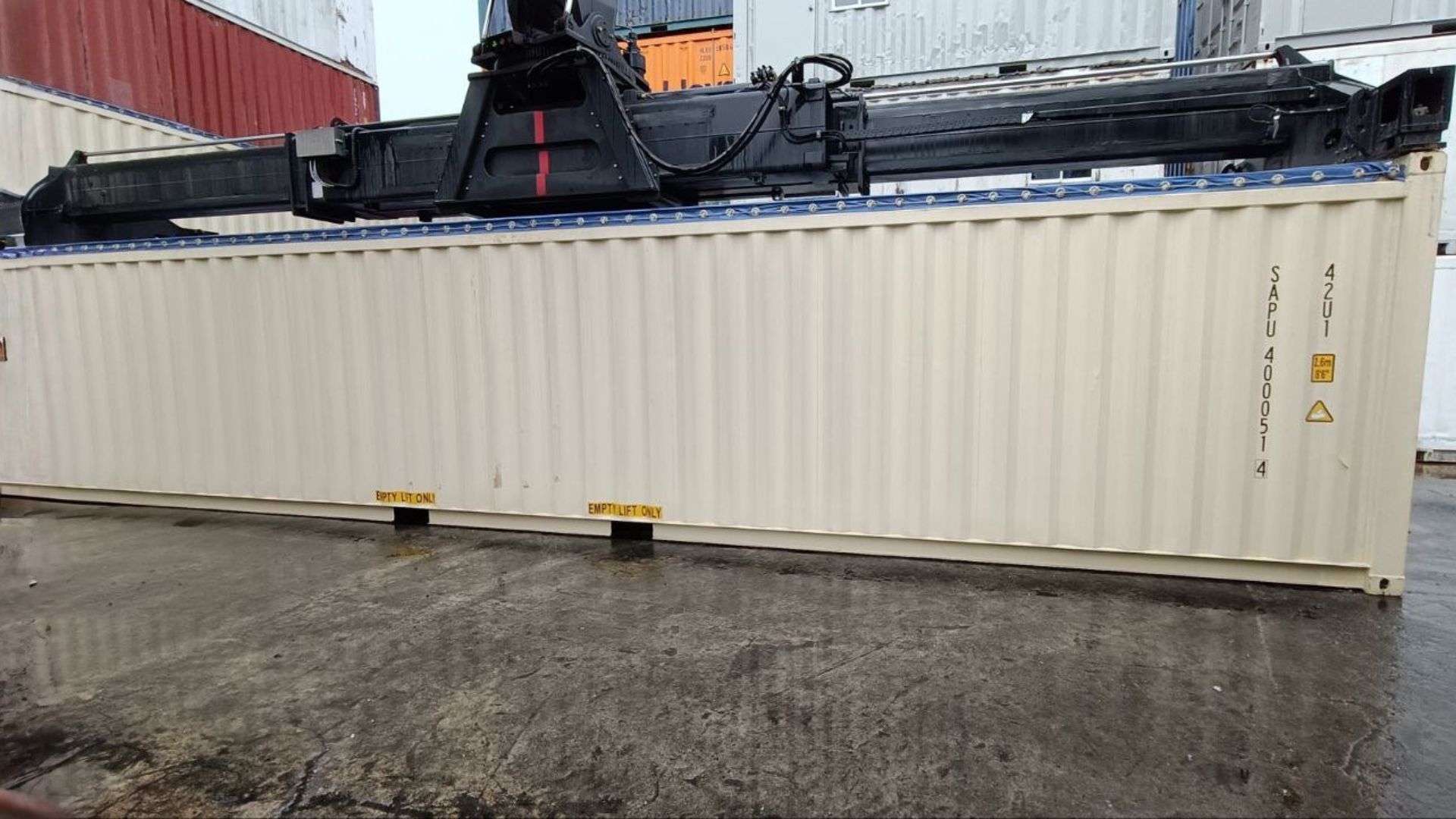
Essential 40ft open top container specification checks
Loading tall, heavy machinery into standard ocean boxes breaks cargo schedules and ruins equipment when overhead clearances fall short by mere inches. You avoid these expensive terminal delays only when you verify every structural dimension and rating on a 40ft open top container before your freight leaves the staging yard.
What are the 40ft open top container specifications?
A standard open top unit gives you the volume of a traditional dry freight box while letting overhead cranes drop awkward items directly into the hold through the open roof structure. We find that cargo planners often overlook how the upper frame rails reduce the usable top-loading envelope compared against the floor dimensions beneath.
Key specifications
Every standard maritime unit carries specific baseline ratings that govern total payload, tare mass, and internal physical clearance for bulky industrial cargo:
- External dimensions: Length measures 12.192 m (40 ft), width sits at 2.438 m (8 ft), and standard exterior height reaches 2.591 m (8 ft 6 in).
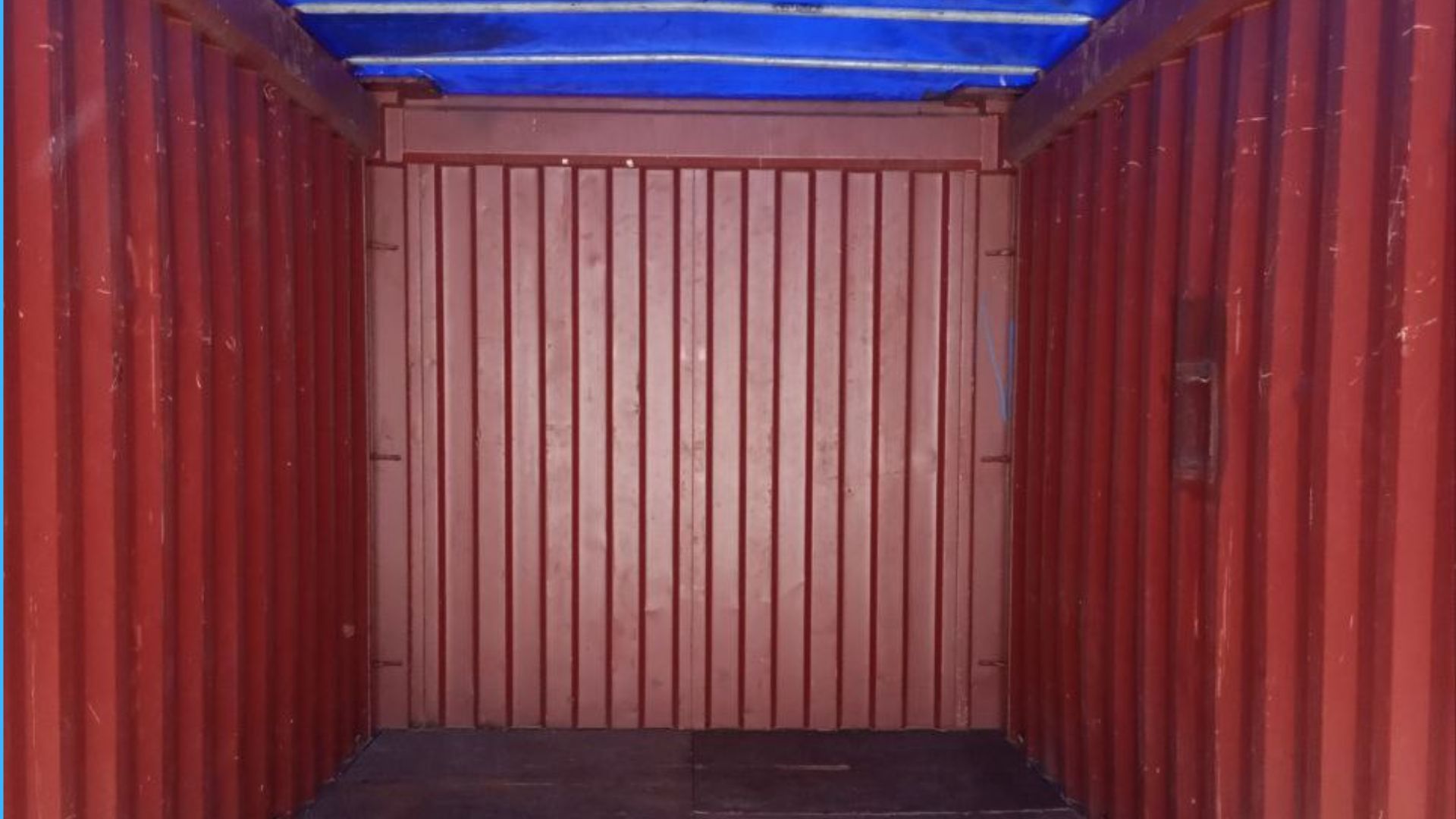
- Internal load area: Usable interior floor length measures 12.032 m, internal width spans 2.352 m, and internal vertical clearance equals 2.348 m to the top rail.
- Roof opening dimensions: The unobstructed crane entry space measures 11.585 m long by 2.162 m wide because corner gussets and top rails reduce clear access.
- Weight thresholds: Maximum gross mass reaches 30,480 kg, tare weight sits near 3,850 kg, leaving an allowable net payload capacity of 26,630 kg.
- Cover components: Heavy-duty PVC tarpaulin sheets feature reinforced hem edges and integrate with steel roof bows that secure into side-rail pockets.
Critical checks
You must confirm the International Convention for Safe Containers plate displays a valid safety approval date and matches the container serial number stamped along the right-hand door. Walk the length of the upper side rails to confirm no crane spreader impact has crushed the steel channels inward, which prevents roof bows from seating flat. Inspect the tarpaulin tensioning grommets and verify that the supplied customs-compliant TIR wire runs continuously through every eyelet without fraying, splicing, or rusted steel swages.
What are the critical 40 foot open top container specifications?
End-loading heavy industrial parts requires removing the rear structural member completely so roll-on cargo or low-profile forklifts can enter the cargo bed without height restrictions. Choosing a 40 foot open top container with a functioning swing-out door header saves your rigging team hours of manual repositioning during tight port delivery appointments.
Key specifications
The mechanical interfaces at the rear door frame dictate whether oversized machinery can clear the threshold smoothly without damaging critical corner post connections:
- Door opening clearance: The rear aperture yields a clear width of 2.338 m and an unobstructed entry height of 2.244 m when the header stays attached.
- Removable door header: A hinged steel beam unlatches and swings open to either side or lifts off entirely to allow unrestricted vertical loading clearance.
- Internal lashing points: Side bottom rails and corner posts house heavy lashing rings rated between 1,500 kg and 2,000 kg each to secure shifting cargo.
- Floor system: Marine-grade hardwood plywood or bamboo composite planks measure 28 mm in thickness and resist concentrated axle loads up to 5,460 kg.
Critical checks
Always unlatch and swing the rear door header during your physical yard assessment to ensure the hinge pins have not seized from deep marine corrosion. Examine the heavy steel lashing rings along the lower interior rail to confirm that previous project cargo operations have not bent them open or cracked their welds. Check the wooden floorboards for deep oil saturation, gouges exceeding half the plank thickness, or rotted edges that might collapse beneath direct wheel loads.
When should you choose a 40 feet open top container high-cube?
When industrial fabrications, heat exchangers, or earth-moving assemblies exceed standard roof heights, you must turn to high-cube variants to prevent costly road transport rejections. A 9-foot-6-inch tall 40 feet open top container provides thirty extra vertical centimeters that keep over-height project freight shielded beneath properly tensioned, custom-fitted weather protection covers.
Key specifications
Evaluating height profile variations protects you against bridge strikes and helps you plan crane hook heights accurately across different international port terminals:
- High-cube external height: Total outer height measures 2.896 m (9 ft 6 in), giving extra vertical safety margin for protruding machinery fittings.
- High-cube interior clearance: Usable vertical space increases to 2.655 m measured from the interior floor surface to the bottom edge of the roof bows.
- Corner post rating: Structural vertical members built from high-tensile steel absorb stacking pressures exceeding 86,400 kg under full ocean vessel stack weights.
- Removable roof bows: Between 15 and 19 curved steel roof supports span the top gap to shed rainwater and brace the long side walls against inward deflection.
Critical checks
Inspect the top side rails for outward bowing using a taut string line running from corner casting to corner casting; deflection must not exceed ten millimeters. Sight down each vertical corner post to verify absolute squareness, because any diagonal deformation indicates past container racking that stops spreader twists from locking securely. Ensure all removable roof bows match the container profile, sit cleanly in their corresponding rail pockets, and lock down with functional retaining pins.
What terms govern an open top container rental?
Short-term industrial projects and one-way machinery deliveries make long-term container capital investments impractical, which pushes most freight forwarders toward flexible equipment leases. Arranging an open top container rental requires strict verification of lease terms and baseline equipment conditions before accepting delivery at the container depot.
Key specifications
Rental agreements vary widely in equipment age, acceptable cosmetic wear, and accessory provisions, making clear documentation essential before signing your off-hire contracts:
- Operating lease terms: Agreements specify master lease, short-term spot, or long-term operational arrangements with clear on-hire and off-hire depot drop points.
- Survey guidelines: Depots apply standard Institute of International Container Lessors (IICL-6) or Unified Container Inspection & Repair Criteria (UCIRC) rules.
- Accessory equipment schedules: Rental manifests list tarpaulins, TIR security cables, roof bows, and header locking pins as individual billable line items.
- Maintenance provisions: Normal wear covers paint degradation and minor surface rust, while tears in canvas tilts or deformed roof headers incur damage fees.
Critical checks
To avoid dispute when you return leased equipment, execute a thorough joint gate survey before hauling the box away from the depot terminal:
- Check the tarpaulin across its entire surface for through-holes, worn patch edges, and missing rubber bungee cords, photographing every defect in daylight.
- Count every roof bow against the equipment interchange receipt to verify that the yard has supplied a complete set of undamaged steel supports.
- Operate both rear door sets to confirm that locking bars engage their cams smoothly and that door gaskets seal tight against water intrusion.
- Log all interior wall scrapes, floor gouges, and bent rail pockets on your signed gate ticket so the rental company cannot bill you for previous handling damage.
How is open top container disposal singapore managed?
When an open-roof shipping box suffers severe structural distortion or salt-corrosion thinning, continued maritime cargo operation poses unacceptable shipping risks. Organising an open top container disposal singapore project demands strict compliance with regional scrap recycling practices and industrial waste regulations enforced across industrial yards in Tuas and Jurong.
Key specifications
Decommissioning an ocean-going open box in Singapore requires following set commercial and environmental metrics to maximise metal recovery and clear customs paperwork:
- Steel scrap classification: Decommissioned container frames process as heavy melting scrap (HMS 1 and 2), trading on net weight after stripping accessories.
- Non-metallic scrap separation: Treated marine plywood floors and PVC tarpaulins require clean segregation before licensed metal recycling facilities accept the steel.
- Regulatory waste compliance: The National Environment Agency (NEA) mandates licensed disposal routes for chemically treated timber flooring containing anti-pest treatments.
- Safety de-registration: The container owner must deface all identification numbers, remove prefix marks, and destroy the CSC safety plate before metal shearing.
Critical checks
Before moving retired boxes to a Singapore processing yard, we strip the interior floorboards completely to avoid steep contamination surcharges at scrap delivery gates. Check that the unit contains no residual industrial lubricants, grease pockets, or hazardous packing dunnage that violates local industrial environmental storage rules. Supervise the complete physical removal and destruction of the original CSC approval plate, because failing to scrap that brass identification tag leaves you legally exposed if another party reuses the damaged container.
How do you select the right open top container option?
Selecting the right container structure depends entirely on your cargo profile, transit route, and ultimate financial recovery plan. We recommend choosing high-cube dimensions whenever machinery clearance comes within five centimeters of roof rails, because road vibrations during transit cause settled loads to strike rigid roof bows.
Inspection evidence review
The table below summarizes primary specification differences, structural limitations, and target operational scenarios across open-top container management pathways:
| Container Route | Maximum Payload | Primary Limitation | Ideal Industrial Use |
|---|---|---|---|
| Standard 40ft Open Top | 26,630 kg | Fixed 2.348 m height | Heavy steel plates, stone, and low-profile industrial machinery. |
| High-Cube Open Top | 26,300 kg | Higher tare weight | Tall manufacturing equipment and over-height crated machinery. |
| Equipment Rental | Varies by asset age | Strict return damage rules | One-way project movements, temporary storage, and peak season overflow. |
| End-of-Life Disposal | Zero (scrap state) | Hazardous timber removal | Severely rusted, bent-rail, or deregistered freight units. |
Recommended selection criteria
If you move factory gear once a quarter, we advise you to take out an operational lease with comprehensive accessory replacement insurance instead of purchasing equipment outright. When buying second-hand units for sustained site storage or repetitive ocean transport, spend the extra capital on units with swing-away rear headers and verify that every roof bow locks down completely without hammer force. If your container frames show significant bottom-rail rust thinning or buckled corner posts, decommission the equipment immediately through certified Singapore metal recyclers rather than risking expensive cargo losses at sea.
Our team assesses equipment conditions, reviews technical loading profiles, and helps you source certified freight boxes matched to your industrial cargo requirements. Reach out to our logistics consultants to review your project specifications before securing your next transport equipment.