
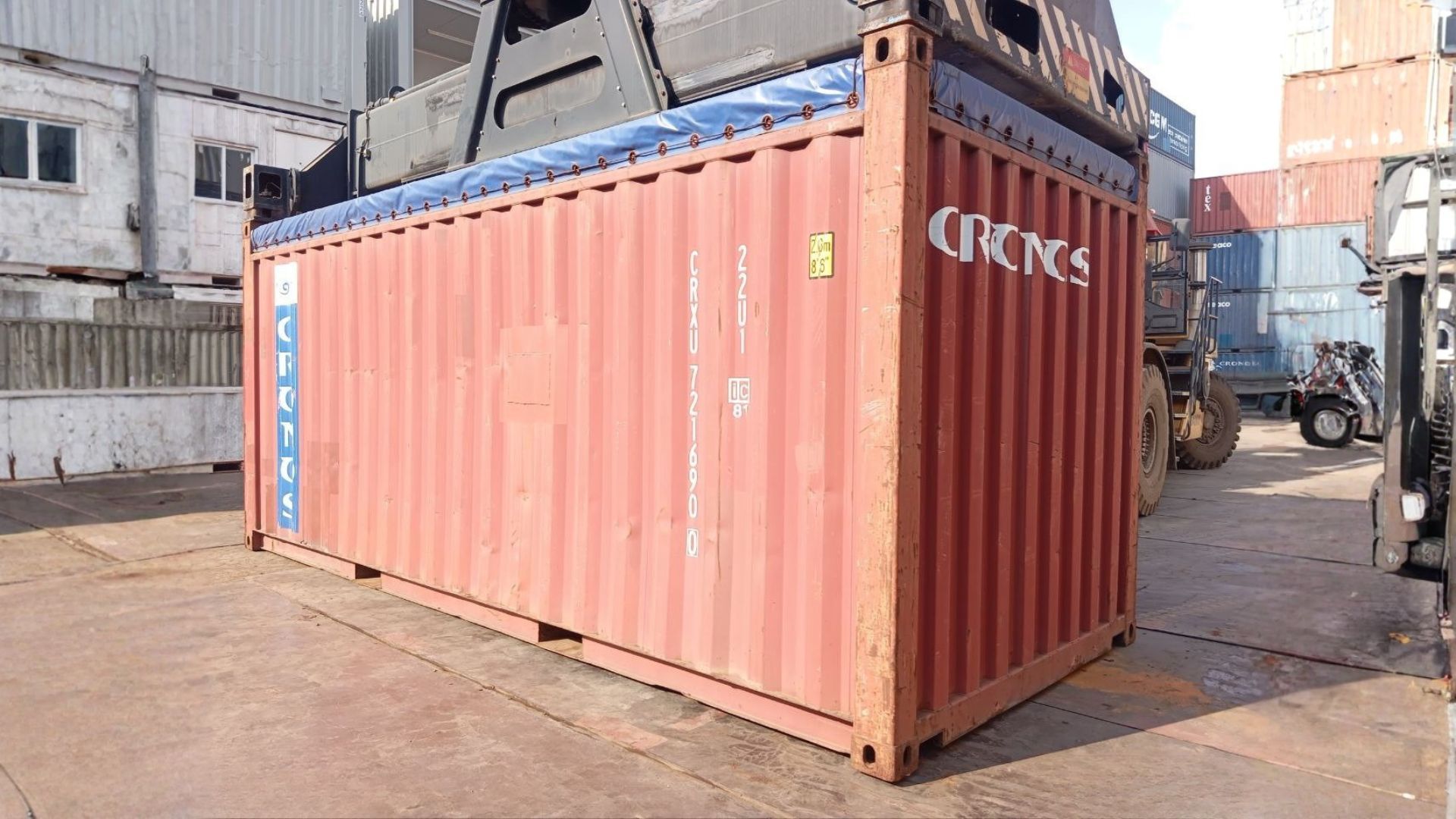
When to Choose a 20 ft Container Size
Selecting an appropriate container size requires matching cargo volume and weight against equipment limits. We advise shippers to choose a 20 ft container size when cargo volumes fall between 15 and 28 cubic meters, or when dense freight reaches highway weight allowances before filling a larger box.
Booking the wrong freight equipment drains operational budgets through paid empty space or unexpected split-shipment surcharges before your cargo leaves the dock. Matching the size and packaging of your goods against standard internal dimensions protects working capital, especially when holding products back to build a forty-foot load strains warehouse storage limits.
| Equipment Type | Nominal Internal Volume | Standard Tare Weight | Maximum Payload | Primary Freight Profile |
|---|---|---|---|---|
| 20ft Standard Dry | 33.2 cu m (1,172 cu ft) | 2,300 kg (5,070 lbs) | 28,180 kg (62,130 lbs) | Dense, heavy, or low-volume cargo |
| 40ft Standard Dry | 67.7 cu m (2,390 cu ft) | 3,750 kg (8,268 lbs) | 26,730 kg (58,930 lbs) | Voluminous, lightweight boxed goods |
| 40ft High Cube | 76.4 cu m (2,700 cu ft) | 3,900 kg (8,598 lbs) | 28,600 kg (63,052 lbs) | Over-height equipment and bulky freight |
Stage 1: How Do You Evaluate Cargo Volume and Usable Capacity?
The standard twenty-foot intermodal unit encloses roughly 33 cubic meters of theoretical space, though realistic packing patterns yield approximately 25 to 28 usable cubic meters once you account for pallet voids and ceiling clearance. If your cargo footprint sits below this volume threshold, committing to a smaller equipment footprint prevents your team from paying ocean carriers to ship compressed air. Waiting days or weeks to gather enough palletized units to fill a forty-foot container delays fulfillment, harms buyer relationships, and ties up working capital in unsold inventory.
How Can You Identify Signs of Volume Miscalculation Before Booking?
You can spot flawed packing forecasts early by watching for awkward dunnage setups and uneven pallet staging across your floor. When freight handlers realize that booked goods take up less than half of an assigned container, they must pack empty gaps with air cushions, timber bracing, and cargo nets to prevent loads from shifting during rough sea crossings. If your pre-loading manifest shows that you regularly spend hundreds of dollars on void fillers to brace partial loads, you should downsize your ocean booking to match actual volume.
How Do You Measure Available Cubage Against Shipment Goods?
Accurate loading plans require calculating both the gross cubic footprint of your crated goods and the exact door openings through which those items must pass. A standard container offers roughly 2.35 meters of internal width and 2.39 meters of vertical clearance, meaning tall crated equipment may require specialized handling or tilted positioning to clear the rear door header. We suggest building a detailed pack-out sheet that lists each pallet by height, depth, and overhang before you issue tender papers to ocean freight forwarders:
- Standard Euro pallets: measure 1,200 mm by 800 mm and typically pack up to 11 units across a single ground tier without double-stacking.
- Standard Industrial pallets: measure 1,200 mm by 1,000 mm and fit up to 10 units per tier, assuming that packaging overhang does not extend past outer pallet edges.
- Bulk machinery crates: require custom lashing buffers of at least 50 mm along internal walls to leave room for tensioning ratchet binders and corner guards.
Stage 2: How Do Site Access and Delivery Pathways Affect Container Selection?
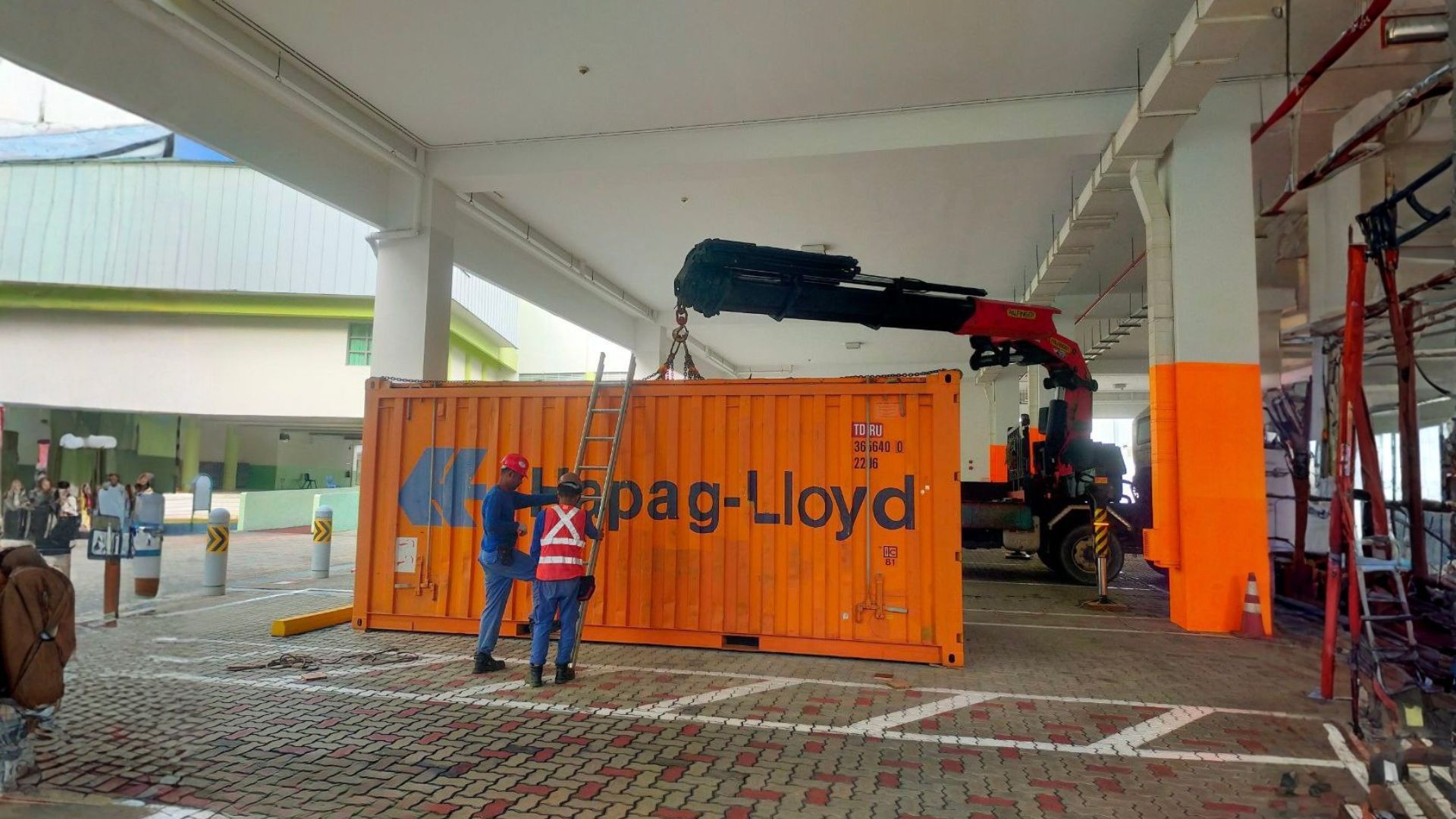
Moving a rigid metal unit directly to your production site, farm, or inner-city yard introduces severe access hurdles that larger trailers cannot handle. Deploying a standard 20ft container requires significantly less street frontage, lower branch clearance, and a tighter turning path than hauling a full-length articulated forty-foot semi-trailer into a tight drop zone. We frequently recommend the smaller twenty-foot unit to facilities operating without dedicated loading docks, where drivers must set containers straight onto packed gravel or asphalt using specialized tilt-tray vehicles.
What Causes Clearance Failures and Placement Bottlenecks on Site?
Delivery trucks often run into obstacles long before the driver backs up to your facility doors, particularly when overhead power lines, stormwater gutters, and security canopies hang lower than expected. A tilt-tray truck dropping a twenty-foot unit requires roughly 20 meters of straight-line clearance and up to 5 meters of vertical room as the truck bed lifts the box outward. If your access road twists through sharp perimeter fencing or narrows past parked employee vehicles, trying to deliver a forty-foot chassis will likely prompt the carrier to abort the drop and bill you for dry runs.
How Do You Identify Turn-Radius Restrictions Early?
Municipal zoning rules and road weight limitations frequently bar large multi-axle freight trucks from residential distribution corridors, historic business districts, and steep mountain access routes. You can avoid failed deliveries by mapping the exact vehicle route from the primary arterial road to your unloading pad, verifying that intersections give enough swing room for standard prime movers:
- Measure narrow gates: check that entry portals provide at least 3.5 meters of clear gate opening to leave sufficient mirror margin for commercial transport drivers.
- Assess sub-base firmness: confirm that gravel surfaces can sustain heavy axle weights during prolonged rain, which prevents delivery trucks from sinking into unpaved drop points.
- Inspect surface grades: ensure that your drop site slopes less than five degrees, because uneven ground twists container frames and causes double doors to jam during unloading.
Stage 3: Why Do Dense Goods Require a Container 20ft Unit for Payload Limits?
Dense commodities hit legal gross vehicle limits long before they fill the internal space of an intermodal shipping box. When you arrange freight for ceramic tiles, metal fasteners, stone slabs, paper rolls, or concentrated liquids, choosing a container 20ft variant is almost always the right technical decision because structural payload capacities between short and long units remain surprisingly similar. Packing dense goods into a forty-foot box leaves vast amounts of empty headroom while dangerously exceeding the legal payload allowances for highway haulage corridors.
What Are the Key Overload Indicators and Axle Weight Missteps?
Carriers assess heavy fines when trucks cross highway weigh scales with axle group loads that violate statutory limits, even if the container total weight matches declared terminal weight slips. Packing dense materials tightly against one end of the floor structure places excessive pressure on either the truck drive axles or the trailer bogie group. When your shipping manifest lists cargo approaching 20,000 kilograms, you must center the mass directly over the middle longitudinal floor rails to keep haulage vehicles compliant throughout domestic and international legs.
How Do You Detect Weight Distribution Imbalances Before Transit?
Uneven weight placement creates dangerous lateral lean and axial twist, destabilizing rail cars and making high-speed turns hazardous for road haulage drivers. You can spot serious balance problems before dispatch by checking the vertical gap above the trailer springs on both sides of the chassis once the container locks into place. We advise distributing payload weight evenly according to practical operational rules:
- Longitudinal balance: ensure that neither the front half nor the rear half of the unit carries more than 60 percent of your total freight payload.
- Transverse alignment: balance heavy freight across the central centerline so that side-to-side weight variance stays within a narrow five percent window.
- Floor beam concentrated loads: place timber spreader beams beneath small, heavy items like dies or castings to spread concentrated footprints across multiple transverse crossmembers.
Stage 4: How Do Loading Windows and Facility Equipment Impact Turnaround?
Ground handling logistics change drastically based on your loading equipment, available labor hours, and container floor construction. Working with a standard 20 ft container size allows smaller operations to unpack full loads within standard two-hour free-time windows without needing multiple forklift teams or expensive industrial dock-levelers. If your warehouse team packs cargo using manual pallet jacks or small 1.5-ton warehouse forklifts, the compact run of a twenty-foot box limits worker fatigue and keeps loading orderly.
What Causes Packing Delays and Turnaround Inefficiencies?
Extended loading operations expose your business to costly driver waiting fees, which carriers assess in increments of fifteen or thirty minutes once free time runs out. Maneuvering cargo into deep forty-foot boxes with simple hand jacks demands excessive walking distance, which slows down floor crews and leaves handlers vulnerable to fatigue-induced errors. By staging twenty-foot boxes, small handling teams can establish steady packing rhythms, securing freight tier by tier and releasing the collection driver within designated dispatch windows.
How Do You Recognize Inadequate Cargo Securement Measures?
Ocean transit subjects your goods to multi-axis forces, including rolling, pitching, surging, and heaving, all of which push internal restraint systems to their limits. A loosely packed container acts like a battering ram at sea, where loose boxes build kinetic momentum until they crush neighboring pallets or breach the sheet-steel exterior walls. You can prevent structural failures inside the container by verifying securement points before closing the rear doors:
- Inspect tie-down eyelets: confirm that each lashing ring welded along the bottom side rails carries certification for loads of at least 1,000 to 1,500 kilograms.
- Check dunnage friction: place rough rubber friction mats under bare wooden skids to reduce horizontal slippage across smooth container floorboards.
- Apply rigid cross-bracing: wedge treated timber battens against corner posts rather than sidewalls, directing shift resistance into the container strongest load-bearing pillars.
Stage 5: How Do You Align Dispatch and Receiving Schedules to Prevent Delays?
The operational cycle of your shipment finishes when you sign documentation, clear customs, and arrange final delivery at the receiving dock. Relying on the dependable footprint of the 20 ft container size simplifies yard movements and shortens processing intervals at congested seaport gates, where cranes can quickly cycle twenty-foot equipment on and off rail cars. Aligning equipment type with receiver capabilities ensures that your recipient unloads cargo smoothly without requiring off-site cross-docking or emergency staging facilities.
How Do You Detect Container Specification Mismatches at Handover?
Accepting a substandard container at the empty depot introduces immediate risks that can disrupt your entire dispatch schedule. You should reject any box that shows daylight through floor joints, displays rusty patches along structural corner castings, or features a damaged CSC plate with expired inspection dates. We recommend running a systematic physical check before your loading crew brings in the first pallet:
- Weatherproof integrity: step inside the container, close both doors completely, and look for light leaks along the roof panels, seams, and door gaskets.
- Door hardware function: check that locking bars rotate cleanly through their cam retainers without requiring pipe leverage that could slow down your handlers.
- Floor cleanliness and condition: inspect marine-grade plywood flooring for gouges, protruding screw heads, residual chemical odors, or oil slicks that could soil packaging.
How Can Shippers Mitigate Transit Hold-ups and Demurrage Risks?
Port bottlenecks frequently cause costly delays when shippers fail to coordinate container pickup with direct warehouse receiving capacity. Because twenty-foot boxes take up less physical room, inland container yards and domestic drayage operators can store and stage them more flexibly during peak shipping seasons. Shippers who balance load volume, axle weight, and site delivery limits ensure their goods move swiftly from terminal docks to end destinations, avoiding intermediate handling costs.
If you are reviewing upcoming freight movements and want help confirming whether a twenty-foot platform matches your cargo weight profile and access parameters, reach out to our logistics advisory team. We can review your packing manifests, analyze destination site constraints, and assist you in selecting the right container specification for your next commercial deployment.
Looking for more headroom without the price jump to a full 40ft? Check out our High Cube container NOW!