Office Container on Rent vs Traditional Leasing
Choosing between an office container on rent and a traditional commercial lease determines how fast your team gets to work and how much capital you tie up. While standard real estate locks you into multi-year contracts and months of construction delays, modular steel units deliver instant, flexible, and cost-effective operational space directly to your job site within days.
The Challenge of Securing Rapid Workspace Expansion
Delays in permanent commercial real estate builds
When your business needs more room right now, waiting on traditional construction spells trouble. Pouring concrete, running plumbing, and waiting on local zoning boards can stretch a build project out for eighteen months or longer. That timeline ruins project economics when you need a team on-site next week. You face ballooning costs before the first desk even moves in, and by the time the doors open, your operational needs may have already shifted. A permanent structure locks you into a fixed footprint that cannot scale down when a project ends or scale up when you win a new contract.
Managing unexpected site office space demands
Rapidly winning a major infrastructure project or a remote construction contract creates an instant headache for site managers. You have twenty engineers, project managers, and safety supervisors arriving on Monday, but the local commercial market only offers five-year leases on retail strip malls ten miles away. Putting your core team off-site kills communication and wastes hours in transit every single day. You need a functional command center right where the work happens. Traditional real estate cannot move at the speed of modern project execution, which leaves you scrambling for alternatives that keep your people dry, connected, and productive from day one.
Why Traditional Commercial Leases Fall Short for Project Sites
Inflexibility of long-term commercial contracts
Commercial landlords want stability, which translates to a three-to-ten-year anchor around your neck. If your project wraps up in fourteen months, you still owe rent for the remaining years or face heavy buyout penalties. You cannot pack up a brick-and-mortar office building and move it to the next job site when the current phase finishes. This rigidity makes traditional leasing a poor fit for industries like construction, disaster response, and seasonal manufacturing where mobility is a core requirement of survival.
High overhead costs for temporary operational needs
Renting a traditional office space drains capital through hidden expenses. You pay for property taxes, building maintenance, common area upkeep, and professional property management fees long before you buy a single desk or chair. Then comes the cost of interior build-outs, running network cables through drywall, and installing commercial HVAC systems. When you eventually leave, landlords often require you to restore the space to its original shell, adding insult to injury with high make-good costs.
Deploying a Flexible Container Office Rental Solution
Rapid delivery and modular setup specifications
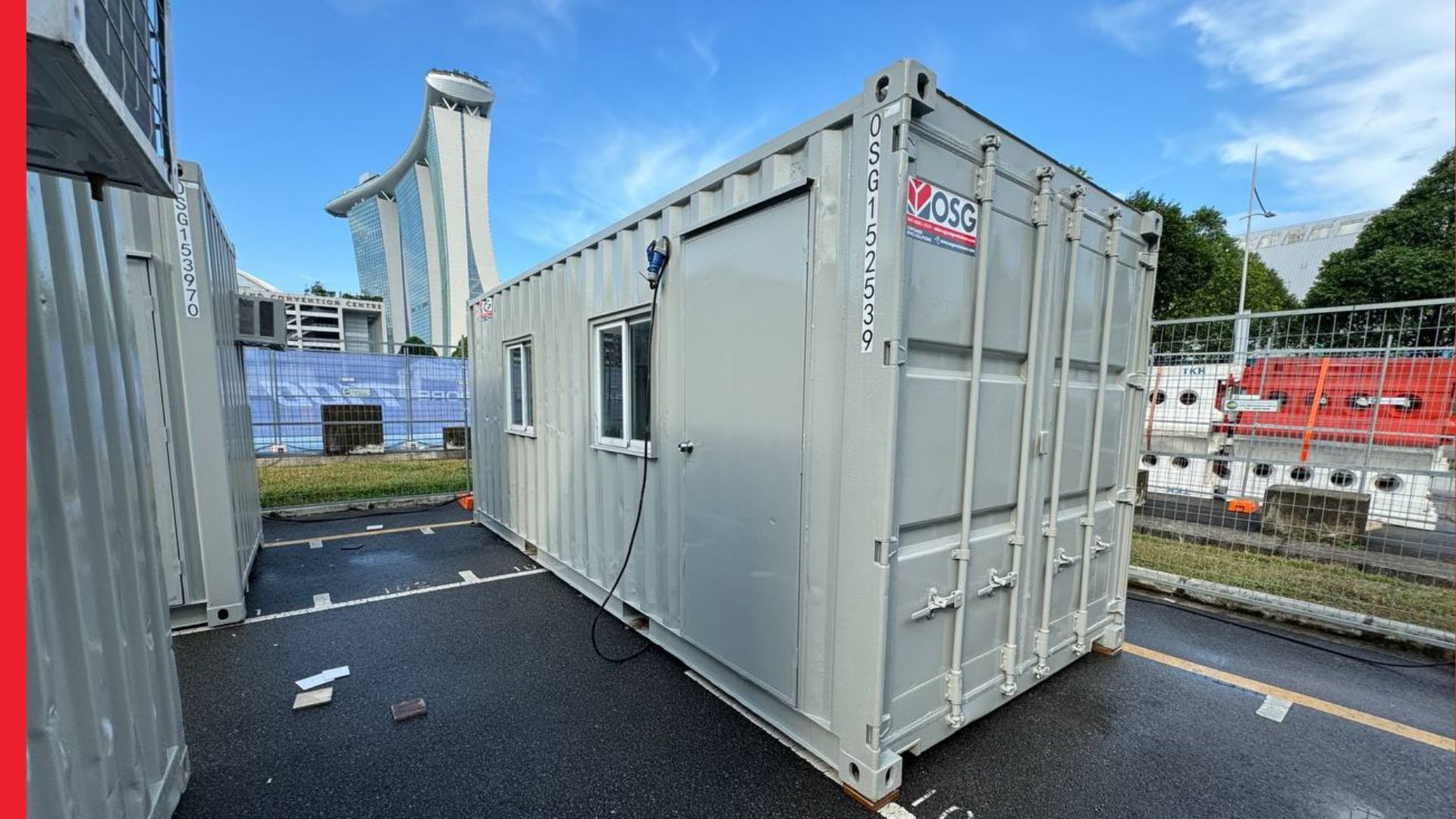
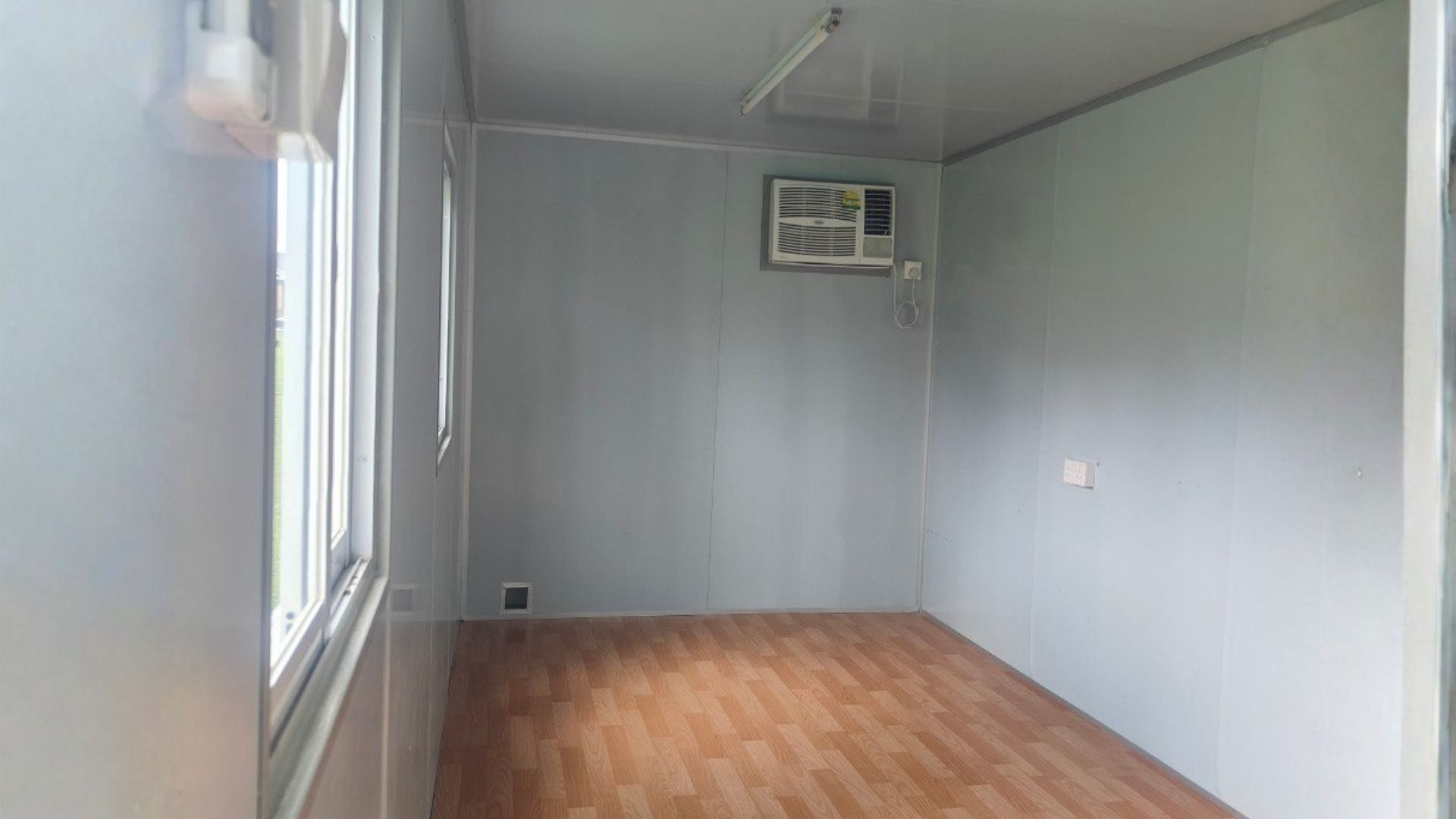
A container office rental arrives on the back of a tilt-bed truck, drops onto simple concrete piers, and connects to local power in a matter of hours. These units start as ISO steel shipping boxes and transform into climate-controlled workspaces complete with insulation, vinyl flooring, electrical panels, and double-glazed windows. Because they are modular, you can stack them two high or link multiple units side-by-side to form large multi-room complexes with internal staircases and common break areas. You get heavy-duty steel security combined with professional interior finishes without the months of disruption associated with permanent construction.
Cost-efficiency comparison table for short-term deployment
Comparing workspace options reveals clear trade-offs in upfront capital, mobility, and lead times. The table below outlines how modular units stack up against traditional commercial real estate and prefab trailers for short-term projects.
| Workspace Option | Average Setup Time | Mobility | Contract Flexibility | Upfront Capital Requirement |
|---|---|---|---|---|
| office container on rent | 2 to 5 days | High (Relocatable) | Month-to-month available | Low (Delivery and first month) |
| Traditional Commercial Lease | 3 to 12 months | None (Fixed location) | 3 to 10 years fixed | High (Deposits, build-out, fees) |
| Prefabricated Mobile Trailer | 1 to 2 weeks | Medium (Special transport) | 6 to 12 months minimum | Medium (Transport and setup fees) |
Steps to Rent a Container Office for Your Business
Assessing site dimensions and utility hookups
Before you commit to a delivery date, you must prepare your ground and verify access for heavy transport trucks. Follow these steps to ensure a smooth drop:
- Measure your available space to confirm the unit and the delivery truck have enough clearance to maneuver without hitting power lines or fences.
- Check the ground conditions to make sure the surface is level, compacted, and well-drained so the steel frame does not shift or pool water underneath.
- Arrange for a local electrician to set up an external junction box or generator drop that matches the amperage requirements of the unit's HVAC system.
- Verify local zoning and permit rules with your municipality, as some areas have specific placement codes for temporary commercial structures.
- Clear any overhead tree branches or construction materials from the drop zone to give the crane or tilt-bed operator a straight path.
Selecting interior configurations and HVAC options
Every job site has unique workflow demands, so you should customize your layout before delivery. Consider these common interior choices:
- Opt for an open-plan layout if your team needs a collaborative bull-pen environment for daily briefings and drawings.
- Choose a partitioned office design with a private manager's room and a secure records storage area if you handle sensitive client documents.
- Select an industrial-grade HVAC unit sized correctly for your climate, ensuring efficient heating for winter sites and heavy-duty cooling for summer heatwaves.
- Add security window bars and steel personnel doors if your site sits in an isolated area prone to after-hours trespassing.
- Inquire about pre-installed cat6 data ports and raceways if your operations rely on stable wired internet rather than spotty cellular hotspots.
Evaluating Office Containers for Rent Performance on Site
Verifying structural integrity and climate control efficiency
When the unit arrives on your pad, run a thorough check before signing the handover paperwork. Inspect the corrugated steel exterior for deep dents or rust spots that could compromise weatherproofing. Test the window seals and door gaskets to ensure outside dust and wind-driven rain stay out. Turn on the heating and cooling systems immediately to verify they reach a comfortable temperature within twenty minutes. A well-insulated workspace keeps energy bills reasonable and protects your computers, blueprints, and staff from extreme weather swings.
Measuring operational downtime reduction
The true value of choosing an office container for rent shows up in your project's bottom line through time saved. Because your team avoids long commutes and messy construction delays, productivity climbs during the critical first month of mobilization. You gain a secure, weather-tight home base for tool cribs, project management meetings, and lunch breaks right where the work happens. This immediate operational readiness keeps your schedule on track and your clients confident in your execution capabilities from day one.
Frequently Asked Questions
What is the typical delivery time for an office container on rent?
Most standard units ship within two to five business days from the moment you confirm your order and site preparation checklist. Custom modifications, such as extra interior partitions or specialized security bars, add a few extra days to the turnaround time.
Can you customize the interior layout of a container office rental?
Yes, suppliers offer a wide range of standard configurations, and many can add interior walls, extra doors, specialized lighting, and upgraded flooring to match your exact workflow requirements before delivery.
What site preparations are needed before you rent a container office?
You need a flat, level, and compacted surface made of gravel, asphalt, or concrete to support the weight of the unit evenly. You also need to arrange for a licensed electrician to provide an external power source that matches the electrical specifications of the unit.