
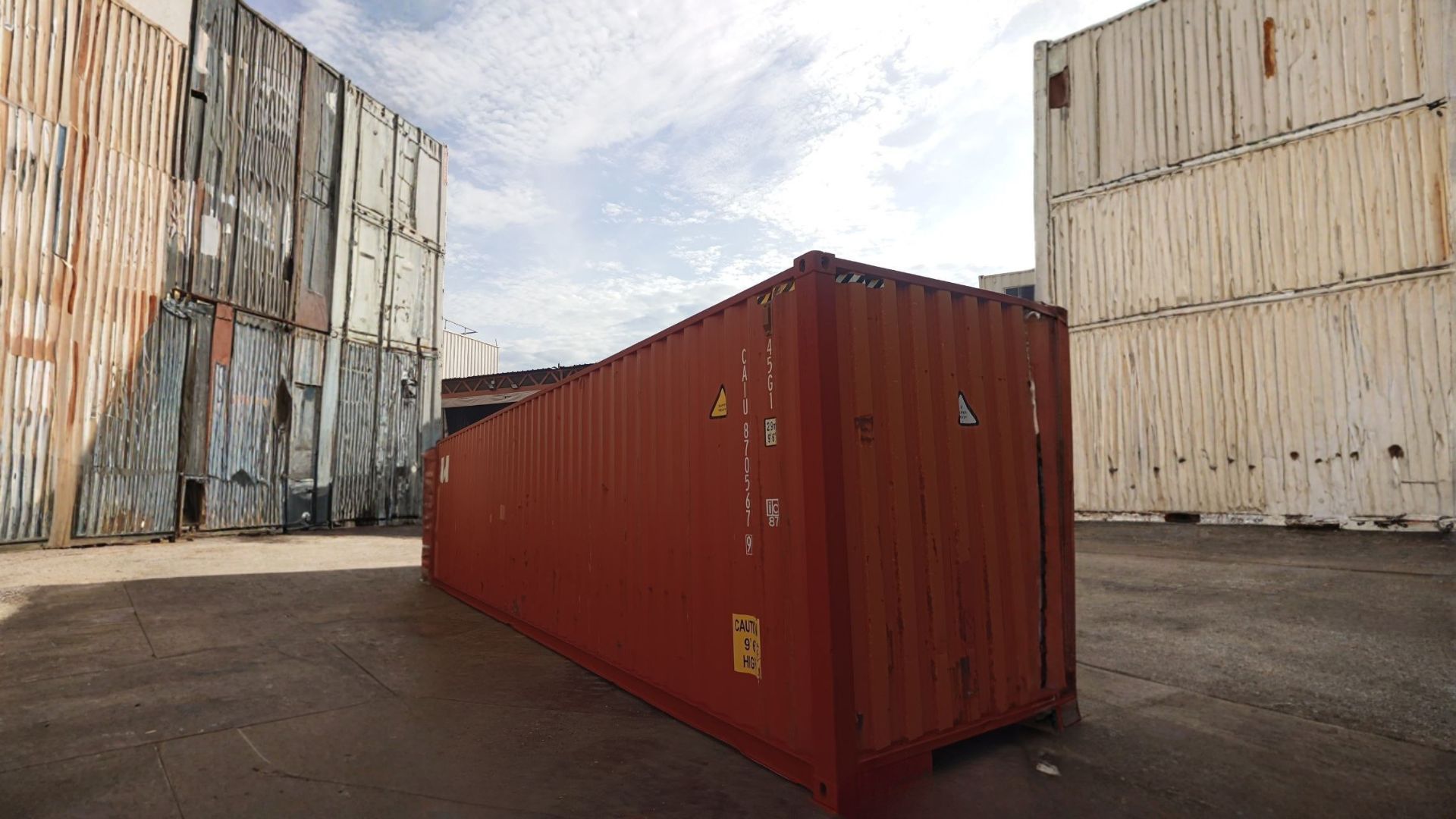
How Long It Takes to Procure a Cargo Container
Procuring a cargo container typically takes between three business days and six weeks, depending on yard inventory, custom modifications, and transport scheduling. Standard dry containers in local depots take three to seven days, while specialized builds or remote site deliveries require several weeks. Planning site access and pre-inspecting equipment prevents unexpected transit delays.
When operations stall because freight sits stranded or equipment lacks secure shelter on-site, a vague delivery estimate ruins project schedules and triggers cascading storage fees. We walk through each phase of procurement so you can eliminate avoidable delays, verify structural integrity before payment, and position your equipment without unexpected disruptions.
Stage 1: Determining Dimensions and Cargo Container Specifications
Every procurement cycle begins with sizing your freight against standardized equipment limits, a step that directly dictates which depots hold matching inventory. Selecting the right cargo container prevents costly reload operations at the port terminal, ensuring your payload fits both internal cube dimensions and statutory highway gross weight restrictions.
| Container Type | ISO Code | Standard Lengths | External Height | Optimal Payload Profile |
|---|---|---|---|---|
| Standard Dry Freight | XXGX | 20ft, 40ft, 48ft, 53ft | 8ft 6in | Palletised boxes, machinery parts, dry bulk in barrels or flexitanks |
| High Cube Dry Freight | XXGX | 40ft, 45ft | 9ft 6in | Lightweight, high-volume items requiring extra vertical clearance |
| Refrigerated (Reefer) | XXRX | 20ft, 40ft, 40ft HC, 45ft HC | 8ft 6in or 9ft 6in | Perishables and pharmaceuticals requiring -65°C to +40°C control |
| Flat Rack Platform | XXPX | 20ft, 40ft | Profile varies | Over-width heavy cargo, industrial vehicles, and steel pipes |
| Open Top / Open Side | XXUX | 20ft, 40ft, 40ft HC | 8ft 6in or 9ft 6in | Top-loaded machinery or side-loaded pallets needing wide side access |
Matching Volume Requirements to Standard and High Cube Units
Standard units stand eight feet six inches tall, whereas high cube alternatives add an extra foot of vertical space that makes an immediate difference when palletising dense inventory. If your freight sits on standard skids that you can double-stack, a forty-foot high cube unit reduces your total container requirement by giving you that extra twelve inches of working clearance. Choosing standard height units when moving dense steel coils or raw mineral ore makes far better financial sense, because your vehicle will cross maximum gross road weight thresholds long before you manage to fill the overhead volume.
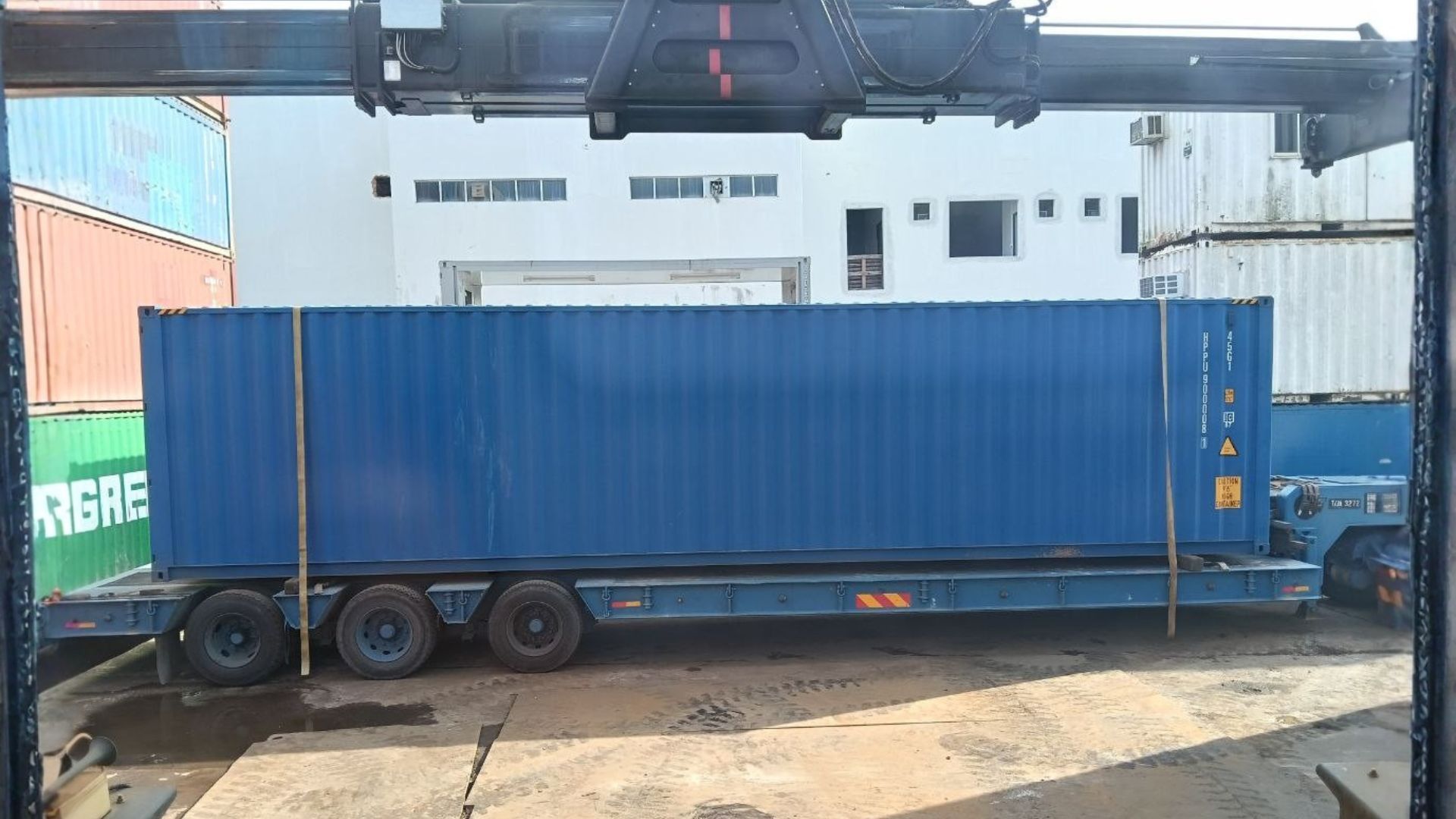
Failure Mode: Choosing the Wrong Unit Profile and Exceeding Road Limits
Procuring a forty-foot box when a twenty-foot unit handles the actual weight payload creates severe logistical headaches once your hauler passes over a certified highway weighbridge. Overweight axle fines halt progress instantly, requiring heavy mobile cranes to split cargo across multiple units at a roadside interchange while daily chassis detention fees mount quickly. We see teams make this mistake when they confuse volumetric cubic capacity with structural payload capacity, assuming that empty air inside a container protects them from axle-weight citations.
How to Identify Load and Dimensional Incompatibilities Early
Prevent loading surprises by vetting your bills of lading against the container manufacturer nameplate before signing any release documents or scheduling transport. You should check the internal door opening dimensions, because the door header and corner posts sit narrower than the internal walls, preventing rigid rectangular equipment from entering even when interior floor dimensions look sufficient on paper.
- Confirm that your forklift mast height clears the standard door header without hitting the top weather seal.
- Calculate gross vehicle weights, factoring in tractor tare weight, chassis weight, the empty container, and the payload.
- Cross-reference specific ISO codes like XXGX for general dry boxes or XXRX for temperature-sensitive freight before booking.
Stage 2: Evaluating and Selecting an Accredited Container Supplier
Vetting where you source your hardware protects your capital expenditure, saving you weeks of disputing missing paperwork or chasing ghost stock across regional distribution hubs. A reliable container supplier owns physical stock in certified yards, provides traceable reporting marks, and guarantees realistic pickup dates rather than speculative brokered timelines.
Verifying Depots and ISO Reporting Mark Transparency
Legitimate suppliers assign an individual identification number to every container before you wire funds or issue a formal corporate purchase order. This reporting mark consists of a four-letter owner code, a six-digit serial number, and a terminal check digit, all registered with international registries to establish chain of custody. When a vendor cannot give you specific depot bay locations and prefix codes for physical units on the ground, they are likely attempting to broker units they do not own.
Failure Mode: Falling for Grey-Market Brokers and Ghost Inventory
Unvetted digital brokers routinely display generic stock photos paired with below-market pricing, luring project managers into upfront wire transfers for equipment that sits thousands of miles away or simply does not exist. Once these brokers receive payment, they scramble to locate discounted retired boxes from local rail terminals, pushing your delivery window out by weeks while supplying heavily rusted equipment. You absorb the operational loss while your staff wastes hours attempting to trace transport bills from shell distribution entities that operate without yard leases.
Warning Signs of Unregistered Distributors and Shady Terms
Direct communication and transparent payment structures separate established yard operators from fly-by-night equipment traders who rely on misdirection to close deals. Protect your capital by watching for operational red flags before committing funds to an unfamiliar supplier:
- The vendor refuses physical or third-party pre-purchase gate inspections at their domestic storage yard.
- Invoices mandate irreversible wire transfers to personal accounts rather than corporate accounts matching the supplier name.
- The vendor lists uniform prices across diverse port locations without accounting for local repositioning tariffs or fuel surcharges.
- Contracts omit specific condition guarantees, classifying equipment under ambiguous terms rather than formal cargo-worthy benchmarks.
Stage 3: Inspecting Structural Quality Before Container Sale Execution
Signing off on equipment without verifying structural conditions exposes your business to moisture damage, structural frame collapses, and rejected marine transport bookings. Finalising any container sale requires an on-site mechanical audit, ensuring the frame meets ISO lifting tolerances and the envelope remains completely wind and watertight.
Audit of Corten Steel Panels and CSC Certification Plates
Every intermodal unit built for commercial shipping carries an International Convention for Safe Containers plate bolted directly to the left door. This plate proves that the box passed rigorous laboratory load, stacking, and racking tests when manufactured from corrosion-resistant Corten steel. You should check that this plate remains clearly legible, free of severe rust pitting, and updated with current inspection validation stamps if you intend to move goods across deep-sea lanes.
Failure Mode: Overlooking Sub-Floor Rot and Frame Deformation
Focusing entirely on painted external walls while ignoring the condition of the timber floorboards frequently results in disastrous equipment failures during warehouse loading operations. Industrial forklifts carrying multi-ton payloads can punch straight through soft, oil-soaked plywood floors, dropping expensive machinery directly onto the steel cross members beneath. Replacing nineteen-ply marine-grade floorboards across an entire unit costs almost as much as buying another secondhand box, completely wiping out any initial purchase savings.
Key Signs of Compromised Weatherproofing and Wall Fatigue
A fast inspection protocol performed inside the unit quickly reveals whether Corten steel panels retain their original structural resistance against bad weather:
- Step completely inside the unit, latch both rear cargo doors tight, and search the ceiling and corners for pinpricks of daylight.
- Examine door gaskets for brittle, sun-bleached rubber, torn sealing lips, or rusted retainers that let rain blow into cargo.
- Check side panels for straightness, ensuring outward dents do not exceed ISO handling limits or create structural creases in the corrugated steel.
- Inspect corner castings for stress fractures, weld tears, or heavy torch cuts that weaken the primary crane lifting points.
Stage 4: Coordinating Handling and Transit for Your Sea Container
Moving a multi-ton steel structure requires close coordination between yard crane operators, dispatchers, and flatbed transport haulers who understand intermodal clearance corridors. Moving your sea container safely depends on securing the right chassis trailer, confirming delivery route bridge clearances, and having certified rigging ready at the destination.
Scheduling Chassis Haulage and Intermodal Crane Transfers
Flatbed haulage requires on-site offloading equipment such as a rough-terrain crane or heavy telehandler, meaning you must coordinate arrival times down to the hour to avoid standby fees. If your site lacks heavy machinery, you must book a tilt-tray truck, which slides the container off its rear bed directly onto the ground. Tilt-tray delivery requires at least one hundred feet of straight, unobstructed clearance in front of the drop zone so the truck can pull out cleanly from under the unit.
Failure Mode: Uneven Weight Distribution and Twistlock Mismatches
Loading unbalanced cargo toward one side or corner destabilises the transit vehicle, increasing rollover risks on tight highway ramps and stressing the trailer chassis. If the hauler attempts to secure the unit using standard tie-down straps rather than engaging certified twistlocks into all four bottom corner castings, the container can shift violently under emergency braking. These mistakes result in emergency roadside impoundments by transport police, holding up delivery schedules by days while certified heavy recovery teams re-rig the load.
How to Catch Rigging and Stacking Vulnerabilities in Transit
Systematic transit prep keeps your haulage running on schedule while safeguarding workers during lifting and unloading procedures:
- Ensure all four corner casting holes remain free of road grit, ice, or debris before the crane crew seats the lifting twistlocks.
- Check that sling angles on four-leg wire rope bridles stay above sixty degrees to prevent crushing the top side rails inward.
- Verify that your site access path contains no low-hanging utility wires or soft dirt shoulders that could trap a loaded highway truck.
- Direct the delivery driver to orient the cargo doors in the right direction before the chassis backs onto your site foundation.
Stage 5: Commissioning Site Placement and On-Site Container Storage
Where and how you set the unit down determines whether it lasts twenty years or turns into a rust-damaged, water-logged liability within twelve months. Preparing your pad properly for long-term container storage preserves door alignment, stops moisture rising into the subfloor, and guarantees hassle-free daily access.
Ground Levelling and Corner Casting Foundation Setup
A shipping unit is designed to carry its entire structural load through its four bottom corner castings, meaning you never drop the box flat onto bare dirt. Placing solid concrete footing blocks, treated hardwood timber skids, or compacted gravel beds beneath the four corners elevates the steel structure off damp soil. This simple separation breaks the capillary draw of ground moisture against bottom structural rails, promoting continuous airflow underneath that keeps the marine plywood subfloor dry.
Failure Mode: Differential Settling and Door Frame Racking
Setting a container down on uncompacted soil or uneven turf causes one corner to sink faster than the others after the first heavy rainfall. When one corner drops even two inches, the entire rectangular structure twists out of square, a failure known across the trade as frame racking. Once a frame racks, the rear double doors bind firmly inside their steel jambs, forcing your ground crew to use pry bars or farm jacks just to access daily tools.
Observable Indicators of Structural Strain and Moisture Ingress
Catching foundation movement early lets you relevel the corner supports before the unit suffers permanent diagonal warping or seam leaks:
- Locking rods require excessive physical force to rotate or refuse to seat completely into their top and bottom keeper cams.
- Water pools persistently across low spots on the roof sheet instead of shedding naturally down the exterior corrugation channels.
- Diagonal measurements taken across the front opening show a variance greater than one-quarter of an inch between opposing corners.
- Musty smells appear inside the unit, indicating condensation traps caused by ground moisture rising against cold, unvented floorboards.
Frequently Asked Questions
How much does a cargo container cost?
Cargo container prices are not fixed across standard industry schedules because market rates vary constantly based on depot location, age, physical condition, and regional trade balances. Contact local depots or verified equipment providers directly to get current live quotes based on your project specifications.
How much does a cargo container weigh?
Tare weights vary by size and manufacturing run. Always check the exact tare weight stamped onto the International Convention for Safe Containers plate and the door stencil before planning payload distributions or road transport.
How big is a cargo container?
Standard dry freight containers commonly come in 20ft, 40ft, 48ft, and 53ft lengths, with standard exterior heights measuring eight feet six inches. High cube units add an extra foot of vertical space, providing nine feet six inches of exterior clearance.
Where can I buy a cargo container?
You can purchase containers directly through accredited intermodal equipment suppliers, maritime shipping lines retiring older inventory, or physical storage depots. Sourcing directly from reputable yard operators ensures you can inspect the equipment in person and verify certification plates before completing payment.
Planning your container purchase with clear dimensions, accredited suppliers, and proper site foundations eliminates costly delays. If you are preparing your facility for delivery or need help selecting certified units that match your transport limits, reach out to our team to discuss your operational requirements and depot availability.
Searching for a Cargo Container? Have a look at our Containers NOW!