
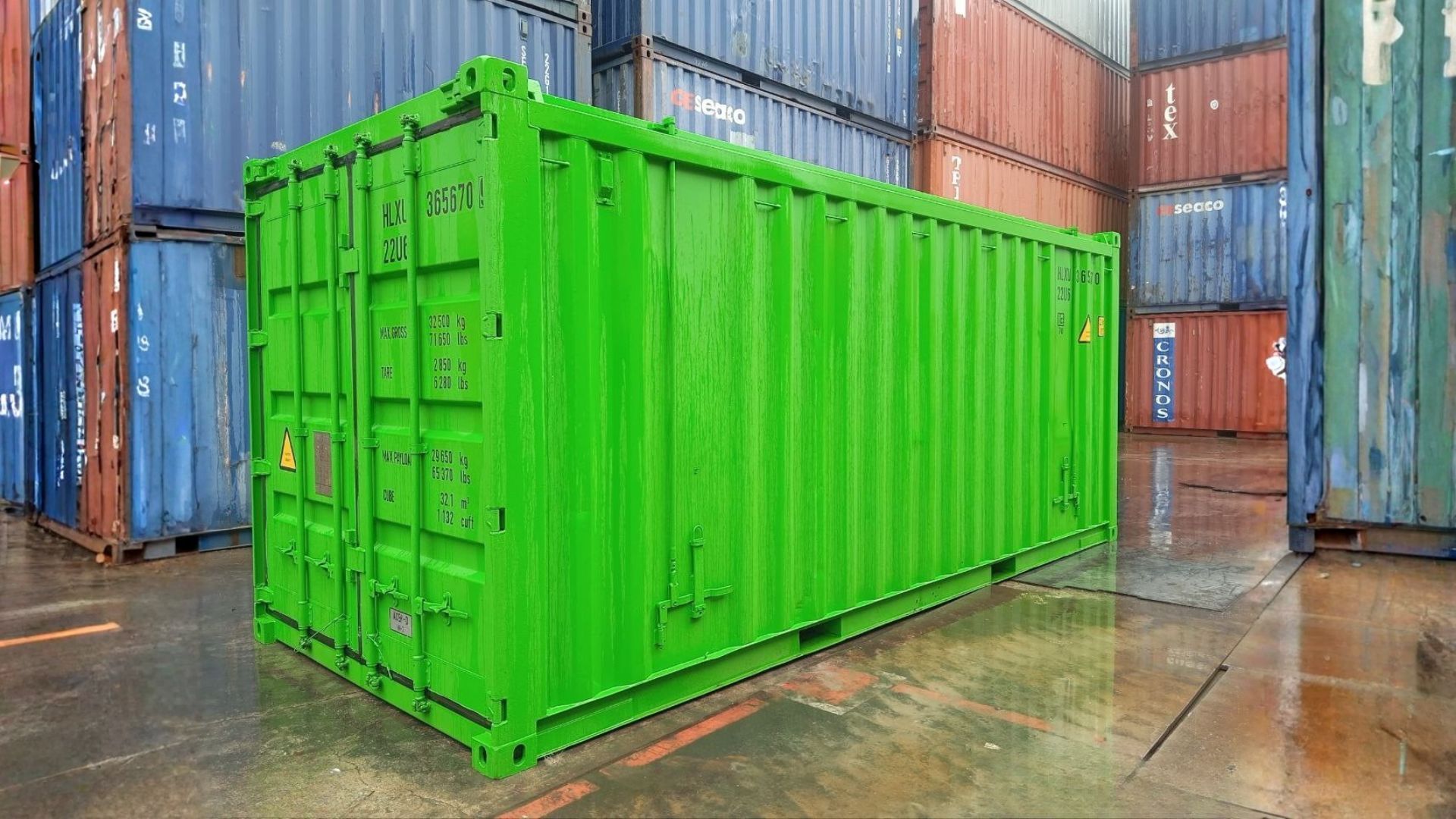
Maximize Open Top Container Disposal Efficiency
Open top container disposal is an industrial waste management method using heavy-duty, roofless roll-off bins to collect, haul, and process high-volume demolition and manufacturing debris. Efficient disposal requires matching bin volume and weight limits to material density, preventing road haulage violations, site congestion, and safety hazards during bulk waste transfer.
Industrial projects, structural demolitions, and major warehouse refits stall the moment bulk waste outpaces your removal cycle. When you accumulate hundreds of cubic meters of broken concrete, steel offcuts, or packaging timber, your project speed depends entirely on how quickly you cycle collection bins off the premises. Misjudging container volume or haulage frequency creates safety hazards on site, blocks vehicle transit lanes, and incurs severe penalties from environmental regulators who monitor site boundaries.
We see facilities lose thousands of dollars each month simply because site managers choose bins that do not match the bulk density of their specific waste streams. Optimizing your operations requires matching structural capacities, physical access clearances, and haulage timing into one unified waste workflow.
What Are the Operational Parameters for Open Top Container Disposal?
Every successful waste management workflow starts by matching the physical characteristics of your discarded material to the internal volume of the disposal bin. Efficient open top container disposal demands that you look beyond simple container capacity and evaluate the true mass density of your primary discard streams before signing any rental agreement.
How Do Volume Capacities and Waste Stream Compatibility Align?
Selecting the wrong container creates immediate operational friction, either because your team runs out of physical space or because the loaded container exceeds legal road-weight thresholds. Dense materials such as excavated earth, masonry, and reinforced concrete quickly hit road-haulage weight limits long before they fill a high-capacity container. In contrast, dry packaging, interior drywall, timber formwork, and light metal turnings occupy massive spatial volume while remaining well under allowable axle weights.
| Container Class | Nominal Capacity | Primary Material Suitability | Maximum Payload Target | Operational Risk Factor |
|---|---|---|---|---|
| Low-Sided Skip | 8 to 12 cu yd | Concrete, masonry, brick, wet soil, sand | 8 to 10 tonnes | Axle overload if filled past sidewall height |
| Medium Industrial | 15 to 25 cu yd | Mixed demolition rubble, structural timber, drywall | 10 to 12 tonnes | Uneven weight distribution across rear rollers |
| High-Cube Bulk | 30 to 45 cu yd | Wood pallets, light packaging, scrap metals, plastics | 12 to 14 tonnes | Overfilling leading to spills and transport refusal |
If your project generates dense masonry debris, we advise deploying lower-profile bins with nominal volumes under fifteen cubic yards. Choosing a thirty-yard container for heavy rubble tempts ground crews to fill it completely, which produces a container so heavy that standard hook-lift trucks cannot pull it onto their chassis without snapping hydraulic lines or cracking public road asphalt.
What Are the Site Footprint and Placement Logistics Requirements?
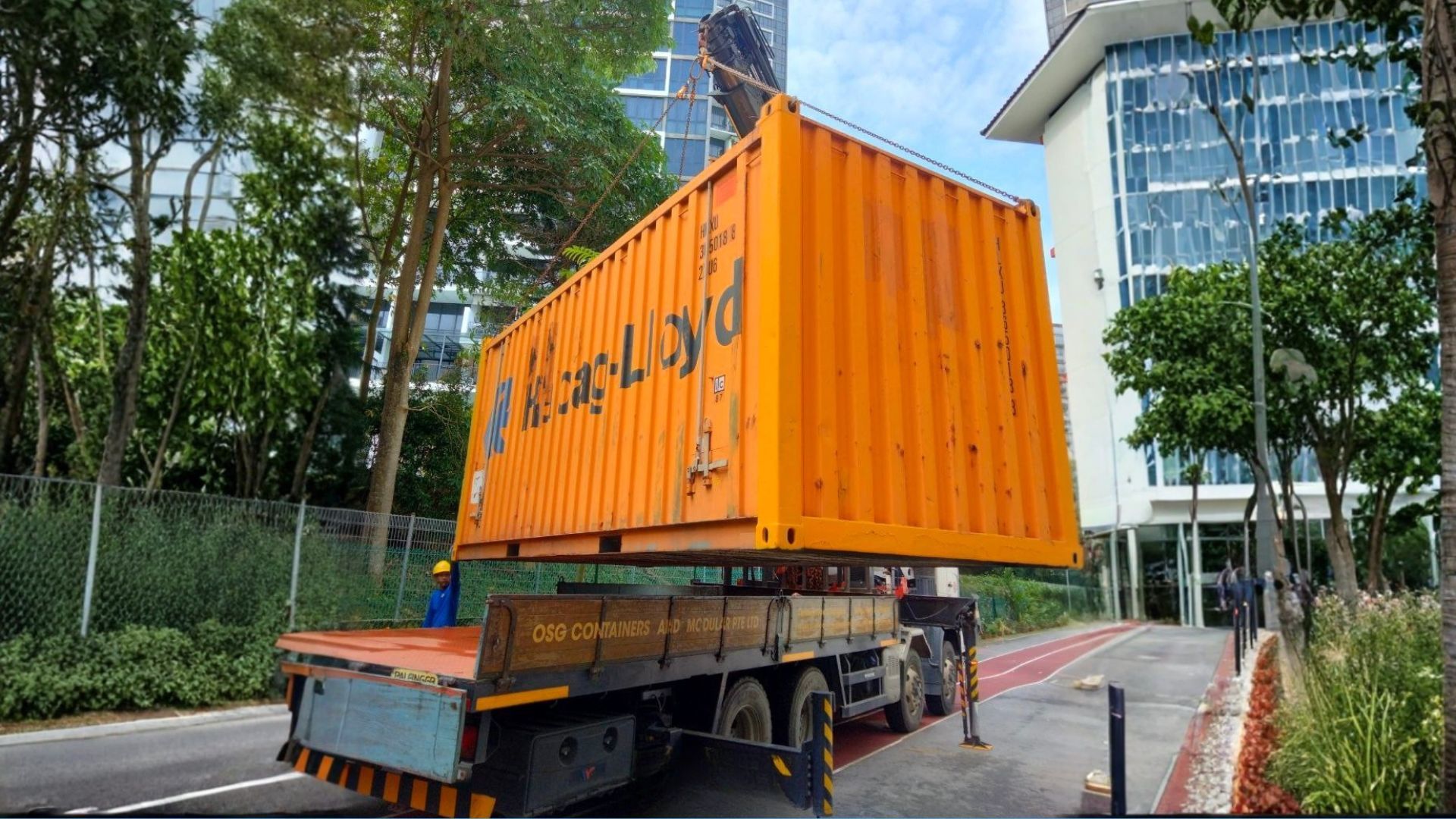
A container is only as useful as your ability to stage, fill, and swap it without disrupting surrounding traffic. Dedicated waste staging requires a level, clear corridor that accommodates both the stationary bin footprint and the operational radius of the transport truck.
- Approach corridor dimensions: The prime mover and trailer require a straight-line approach of at least twenty-five meters to align, lower, and retrieve roll-off units smoothly.
- Overhead clear zone: Hydraulic hoist mechanisms elevate the front edge of the bin to steep angles during loading, demanding a minimum vertical clearance of six to eight meters clear of tree limbs, overhead pipes, and power cables.
- Pedestrian and vehicle buffer: Maintain a minimum clearance zone of 1.5 meters around the entire bin exterior so ground workers can inspect latches and riggers can safely work around the pickup rails.
What Are the Structural Specifications of Industrial Open Top Containers?
Industrial waste bins endure severe mechanical stress every day from dropping steel beams, shifting aggregate loads, and high-impact transport over uneven surfaces. Standard open top containers rely on welded structural steel frames designed to withstand repeated dynamic loading cycles without warping side panels or jamming door hinges.
How Are Heavy-Duty Steel Construction and Weight Limits Rated?
We evaluate container durability based on floor plate thickness, sidewall channel spacing, and corner post reinforcement. Premium industrial units feature floors built from minimum 4.5mm or 6mm structural carbon steel, supported underneath by closely spaced transverse steel cross-members that prevent floor dish-warping under falling debris.
The sidewalls are typically fabricated from 3mm to 4mm corrugated or ribbed steel sheet, providing longitudinal rigidity that stops walls from bulging outward when dense loads shift during road transit. Welded beneath the floor frame, solid steel bottom rollers and longitudinal skid rails allow the bin to slide onto transport beds without gouging industrial concrete surfaces or snapping hook linkages. Exceeding gross payload ratings distorts the container chassis, which misaligns the rear door frame and makes secure closing impossible.
What Are the Loading Access and Enclosure Requirements?
Rear access engineering dictates how efficiently your team loads material throughout the working day. Standard units feature twin side-hinged rear doors that swing open 270 degrees to fold flush against the outer sidewalls, securing via secondary safety chains so gusting winds cannot slam doors into loading equipment.
Heavy industrial operations gain clear advantages from low-threshold doors that permit compact excavators, skid-steers, and wheelbarrows to travel directly inside the container floor during early loading phases. Leaving open-sided or open-top units unsealed during transport is illegal across modern road networks. Bins must feature perimeter tie-down hooks and heavy-duty mechanical eyelets spaced every 450 millimeters along the outer top rail, giving haulage crews reliable anchor points to secure heavy PVC tarpaulins or cargo nets that stop airborne debris from escaping onto public highways.
What Are the Deployment Requirements for an Open Top Container?
Installing an open top container requires proper surface preparation and disciplined loading rules. Simply dropping a steel container onto bare asphalt or soft earth introduces immediate property damage risks and logistical hazards that delay scheduled swaps.
What Are the Ground Stability and Clearance Standards?
A fully loaded industrial bin transfers massive concentrated weight through its rear rollers and front ground contact pads. When resting on standard commercial asphalt, this narrow contact patch creates immense point loads that easily punch depressions into asphalt softened by warm summer temperatures or heavy rain.
We always mandate heavy timber dunnage boards or thick structural steel spreader plates beneath the rear steel rollers and front skid pads before lowering the unit. These pads distribute ground pressure evenly across a wider surface area, protecting your subgrade from permanent cracking. Additionally, the drop site must feature a slope gradient of less than five percent, because steeper inclines exert dangerous lateral forces on truck winch cables and increase the risk that the bin slides sideways off the hoist tracks during recovery.
How Do You Maintain Loading Efficiency and Fill Level Monitoring?
Careless loading wastes usable volume, drives up disposal costs, and creates severe road transit hazards for your transport carrier. Loading operations run smoothest when your ground team follows a strict, disciplined sequence:
- Open the rear swing doors fully and pin them back to the container exterior using the safety retaining latches.
- Walk dense, heavy items directly onto the container floor, placing the heaviest debris evenly along the bottom and centering it between the front and rear axles.
- Stack irregular timber, metal frames, and bulky structural components tightly together to eliminate hollow interior air pockets.
- Fill remaining gaps around structural pieces using loose rubble, small debris, or packaged general waste.
- Close and lock the primary door locking bar, secure the secondary safety cam, and finish loading lighter components over the sidewalls using an excavator bucket.
- Level the top profile so that no material projects above the upper structural rail of the container sidewalls.
Container sidewalls serve as rigid legal fill limits. Haulage drivers will refuse to hoist any container packed above its upper steel lip because protruding items prevent legal tarpaulin installation and risk tumbling into traffic when the truck brakes hard.
What Are the Regulatory Standards for an Open Top Container Singapore?
Operating an open top container singapore requires absolute adherence to strict statutory environmental codes designed to keep industrial corridors safe, sanitary, and free of vector-borne illnesses. Industrial and construction waste management in Singapore falls under the jurisdiction of statutory bodies that hold both waste generators and transport contractors legally liable for environmental infractions.
How Do Environmental Protection Regulations Apply to Open Skips?
The National Environment Agency (NEA) enforces stringent controls under the Environmental Public Health Act to govern bulk waste accumulation across the island. The most critical operational challenge for open skips in Singapore is vector control, specifically preventing stagnant rainwater accumulation that creates potential breeding habitats for mosquitoes.
Open bins stored across job sites must feature clear bottom drainage plugs that allow rainwater to pass through into approved drainage channels without ponding inside the waste mass. During persistent monsoon downpours, site supervisors must keep containers covered with secure, impermeable tarpaulins whenever loading operations pause. Public health regulations strictly prohibit mixing general toxic industrial waste, flammable solvents, or hazardous chemical waste into open skips, requiring these streams to go through licensed specialized toxic industrial waste collectors instead.
What Are the Designated Facility Routing and Documentation Rules?
Every industrial load moved across Singapore must follow a transparent audit trail from generation to final material recovery or incineration. Transport hauliers must hold valid General Waste Collector (GWC) licenses issued by the NEA, categorized strictly by the specific waste classes they are permitted to transport.
Waste consignments must route exclusively to designated statutory facilities, including licensed material recovery yards, Tuas Marine Transfer Station, or offshore Semakau Landfill for non-incinerable waste streams. Weighbridge tickets generated at authorized drop sites record the tare weight, gross loaded weight, and exact waste category, serving as statutory proof that your facility disposed of its materials through lawful waste streams.
What Is the Selection Framework for Open Top Container Disposal Singapore?
Sustaining lean operations demands a structured commercial framework for your open top container disposal singapore partnerships. Working with cut-rate haulage providers who miss scheduled collection windows costs far more in project downtime than you save on nominal rental fees.
How Should You Plan Haulage Scheduling and Turnaround Benchmarks?
Industrial urban environments present severe traffic and spatial challenges that penalize poor haulage scheduling. When you operate tight urban jobsites in areas like Jurong Industrial Estate, Tuas, or central commercial districts, staging multiple waste containers at the same time is usually impossible due to space constraints.
We prefer dedicated one-to-one bin exchanges over simple haul-and-return arrangements. Under an exchange contract, the logistics provider arrives on site with an empty replacement container, hoists the full container off the pad, and immediately lowers the empty unit into the same parking footprint within a single thirty-minute visit. For high-output operations running multiple production shifts, negotiate guaranteed four-hour collection response windows to ensure full bins never block material handling lanes.
What Contract Terms and Commercial Criteria Matter Most?
Commercial waste contracts often conceal hidden operational charges behind seemingly low base rental figures. When you compare waste tenders across Singapore, insist on transparent, line-item pricing structures that explicitly separate the primary cost drivers:
- Fixed equipment rental: A predictable monthly or daily fee for keeping the steel container stationed on your facility grounds.
- Haulage and mobilization: The direct logistical cost per round trip to deliver, retrieve, or swap out containers at your designated coordinates.
- Tipping and gate fees: Pass-through charges billed by weight at approved disposal facilities, which fluctuate substantially between clean recyclable metals, general industrial waste, and non-incinerable masonry rubble.
- Demurrage and idle charges: Clear financial penalties applied when site blockages prevent haulage drivers from completing a container lift within thirty minutes of arriving on site.
If you are planning an industrial refit, ground excavation, or plant overhaul, audit your projected debris volume before ordering equipment. Connect with our engineering and logistics specialists to evaluate your site footprint, calculate proper weight tolerances, and establish a reliable, fully compliant container exchange schedule tailored to your operational requirements.