
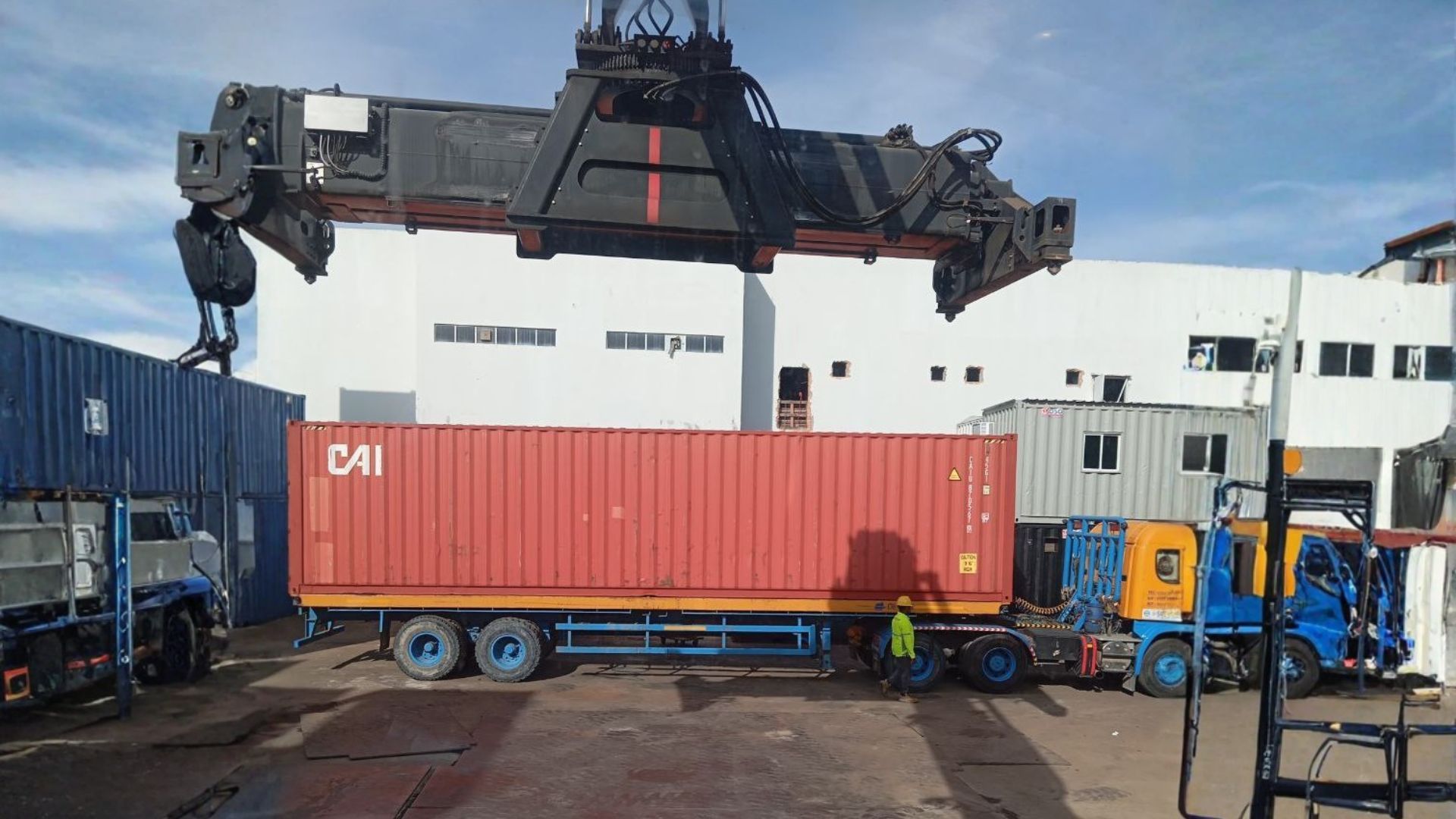
Sourcing a high cube sea container
Sourcing a high cube sea container requires careful evaluation of internal capacity, transit clearances, and structural integrity to ensure the unit fits your exact operational needs without unexpected delivery or modification issues.
Evaluating specifications and internal capacity
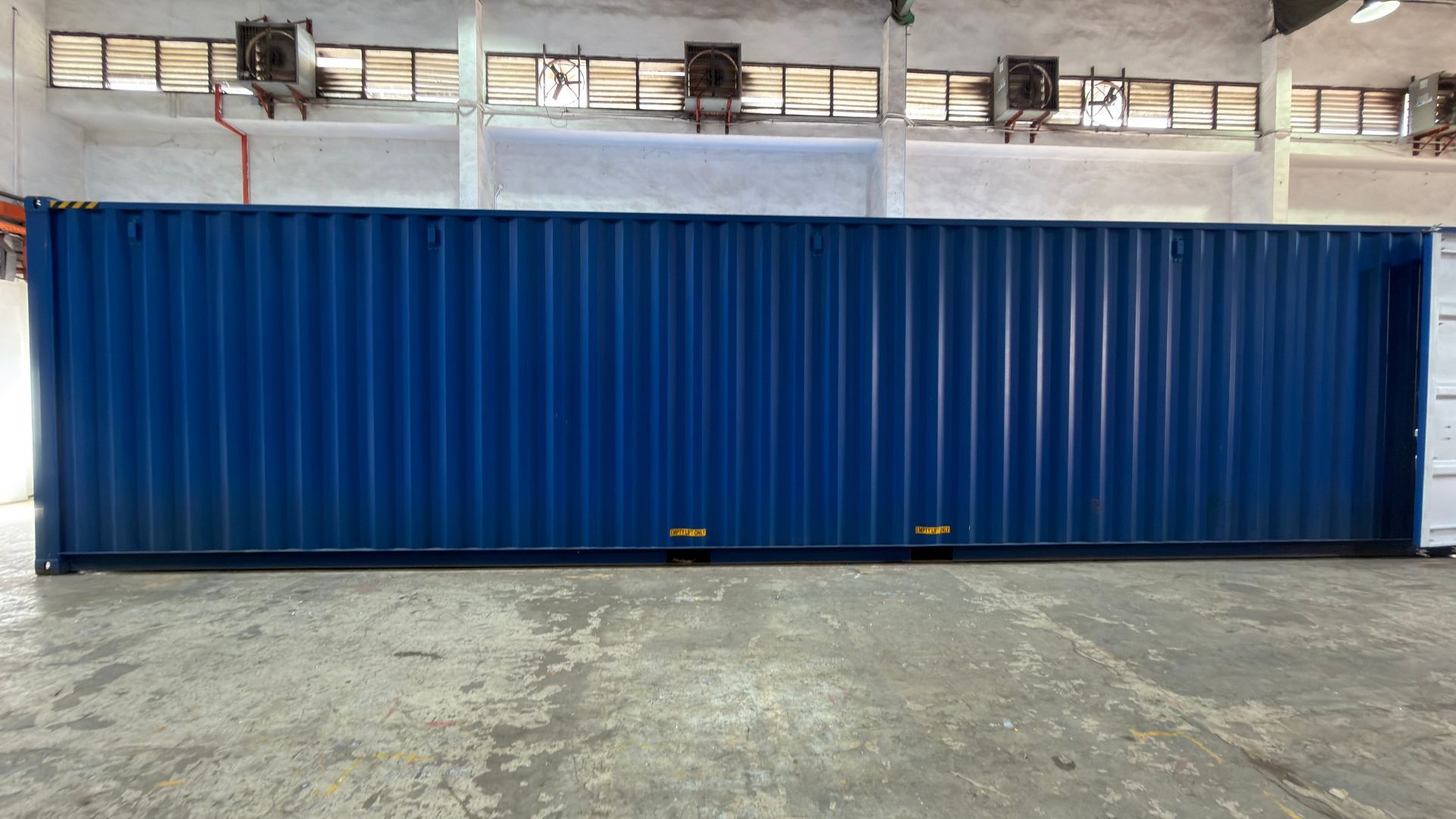
When you start looking for a high cube container, you need to understand how the extra height changes your loading limits and storage strategy. Standard boxes give you an internal height of about 2.4 meters, while a high cube gives you roughly 2.7 meters. That extra thirty centimeters does not sound like much on paper, but it changes everything if you are packing tall machinery, bulky pallets, or running a workshop conversion where ceiling clearance matters.
Height and volume differences
The total interior volume jumps from about 33 cubic meters in a standard twenty-foot unit to roughly 37.4 cubic meters in a high-cube equivalent, and up to 76.2 cubic meters for a forty-foot version. You gain significant vertical capacity without changing the ground footprint, which keeps your site footprint efficient while letting you stack lighter goods or clear awkward items that would otherwise jam a standard roofline.
- External height reaches 2.9 meters, compared to 2.6 meters for standard models.
- Internal width remains standard at approximately 2.35 meters across the corrugation.
- Tare weight increases slightly, meaning your maximum payload drops by a small margin.
Assessing cargo clearance requirements
Before you commit to your layout, check the door frame clearance. The steel header above the doors on a high cube container is slightly lower than the internal ceiling height, which can catch you out when loading with a forklift. We always advise measuring your tallest pallet or equipment crate twice and leaving at least a ten-centimeter safety margin for easy entry and exit during loading.
- Measure the exact height of your tallest item while still on the pallet.
- Verify the door frame height of the specific unit you plan to buy.
- Factor in the thickness of any internal flooring insulation if you plan to build out the interior.
Analyzing current market pricing and expenses
Container pricing shifts constantly based on steel costs, shipping line imbalances, and local demand. If you want a clear picture of your budget, you must look beyond the sticker price on the depot yard gate. The base price is only your starting point.
| Container Type | Condition | Estimated Price Range |
|---|---|---|
| 20ft High Cube | Cargo Worthy | Moderate |
| 40ft High Cube | Cargo Worthy | Higher |
| 40ft High Cube | One-Trip / New | Premium |
Upfront purchase versus rental options
Buying a unit outright makes sense if you need permanent site storage or plan to modify the steel structure with windows, doors, and electrical fittings. Renting is the better choice if your project is temporary, lasting less than six months, or if capital preservation is your primary goal. Keep in mind that rental agreements usually require you to pay transport fees both ways, which can add up quickly for short-term hires.
Hidden logistics and delivery fees
The quote you get from a broker often excludes the final mile. You have to account for crane truck hire, tilt-tray delivery fees, and potential traffic police permits if the delivery route passes through restricted zones. Always ask for an itemized quote that spells out drop-off charges separately so you do not get surprised by an extra invoice when the truck arrives at your gate.
- Tilt-tray trucks need roughly thirty meters of straight clearance to slide a forty-foot box off safely.
- Crane lifts are necessary if the driver cannot back straight into your drop zone.
- Local council fees may apply if the truck has to park on a public road during offloading.
Navigating regional availability and delivery
Sourcing units in dense urban trade hubs like Singapore requires careful timing because depot space is tight and port traffic moves fast. You cannot simply show up with a flatbed and expect an immediate load. Depot operators demand strict appointment windows, and missing your slot means waiting another day while paying demurrage charges to the transport company.
Port logistics and local depot pickup
Most used units sit in secure container yards near major industrial zones or port terminals. When you arrange a depot pickup, your transport provider must hold the correct security passes and adhere to strict safety protocols, including mandatory high-visibility vests, steel-capped boots, and hard hats. We recommend letting an experienced local transport operator handle the depot collection because they know the gate procedures and paperwork requirements inside out.
Transport clearance for oversized units
Because high cube containers sit higher than standard units, your combined transport height on a standard semi-trailer will exceed standard bridge clearances in certain areas. Transport companies must plan routes carefully to avoid low overhead cables, low bridges, and narrow residential streets. In tight urban areas, you may need an escort vehicle or a specialized low-bed trailer to keep the total height within legal limits.
- Check your local transport authority rules regarding oversized vehicle heights.
- Share exact delivery address details with your trucker so they can scout the route in advance.
- Confirm whether overhead trees or power lines on your property will block the delivery truck.
Inspecting structural integrity and condition
Never buy a container sight unseen, even if the seller promises it is in cargo-worthy condition. Photos rarely show patch repairs, soft floorboards, or pinhole leaks in the roof. Spend twenty minutes inspecting the unit yourself or hire an independent surveyor to check it before you sign the bill of sale.
Identifying rust and structural damage
Surface rust on the exterior corrugated panels is normal for used units and easily treated with a wire brush and marine paint. However, structural rust along the corner posts, bottom rails, and crossmembers is a serious red flag. If the steel has pitted deeply or warped, the container has lost its load-bearing strength and will fail if you try to stack another unit on top of it.
- Inspect the corner castings for cracks, deep gouges, or structural distortion.
- Check the roof panels for dents that hold standing water, which leads to rust-through over time.
- Look underneath the chassis at the crossmembers to make sure they are square and solid.
Checking door seals and watertightness
Water damage ruins stored goods faster than almost anything else. Walk inside the container, close both doors completely, and look for any pinpricks of daylight shining through the roof or walls. If light gets in, water will get in during the next heavy storm. Next, run your hand along the rubber gaskets around the doors; they should be pliable and intact, not dry, cracked, or missing chunks.
- Step inside, shut the doors, and scan the entire interior for incoming light.
- Inspect the rubber gaskets for cracking, splitting, or hardening.
- Test the lock rods and cam keepers to ensure the doors seal tightly against the frame.
Finalizing the acquisition and site placement
Once you clear the inspection and settle the invoice, you need to prepare your site so the container sits level and stable for years to come. Putting a heavy steel box straight onto soft mud or uncompacted gravel is a recipe for disaster; the corners will sink unevenly, twisting the frame so the doors refuse to open or close properly.
Ground preparation and leveling
You do not always need a concrete slab, though a proper pad is ideal. Compacted crush-and-run gravel or heavy timber sleepers placed under the four corner castings work well for most temporary or semi-permanent setups. The goal is to keep the steel off damp soil and ensure rainwater drains away from the base rather than pooling underneath.
- Use a spirit level to check that your foundation pads sit flat and true before delivery day.
- Ensure the ground can support the combined weight of the truck and the container without rutting.
- Raise the unit at least ten centimeters off the ground to allow air circulation underneath.
Final contract and handover checklist
Before the transport truck pulls away from your site, run through a final handover check with the driver. Verify that the unit matches the serial number on your bill of sale and that the CSC safety approval plate is bolted securely to the left-hand door, which proves the container is certified for international transport if you ever need to ship it overseas.
- Match the container number painted on the side with your purchase invoice.
- Check the CSC plate date to confirm its current certification status.
- Confirm that the driver has positioned the doors facing the direction you requested for easy access.
Frequently Asked Questions
What is the standard height of a high cube container?
A high cube container stands 2.9 meters high on the outside, which gives you roughly 2.7 meters of clear space on the inside. That extra height distinguishes it from standard containers, which measure 2.6 meters externally.
How much does a high cube container cost?
Prices vary based on market conditions, location, and condition. A used cargo-worthy forty-foot unit costs more than a twenty-foot version, while a brand-new one-trip model sits at the top of the price range due to premium steel and shipping expenses.
What are the dimensions of high cube containers?
Both twenty-foot and forty-foot lengths are common, with a standard external width of 2.44 meters and an external height of 2.9 meters. Internal dimensions vary slightly based on wall corrugation and flooring thickness, but you gain about thirty centimeters of vertical clearance over standard models.