
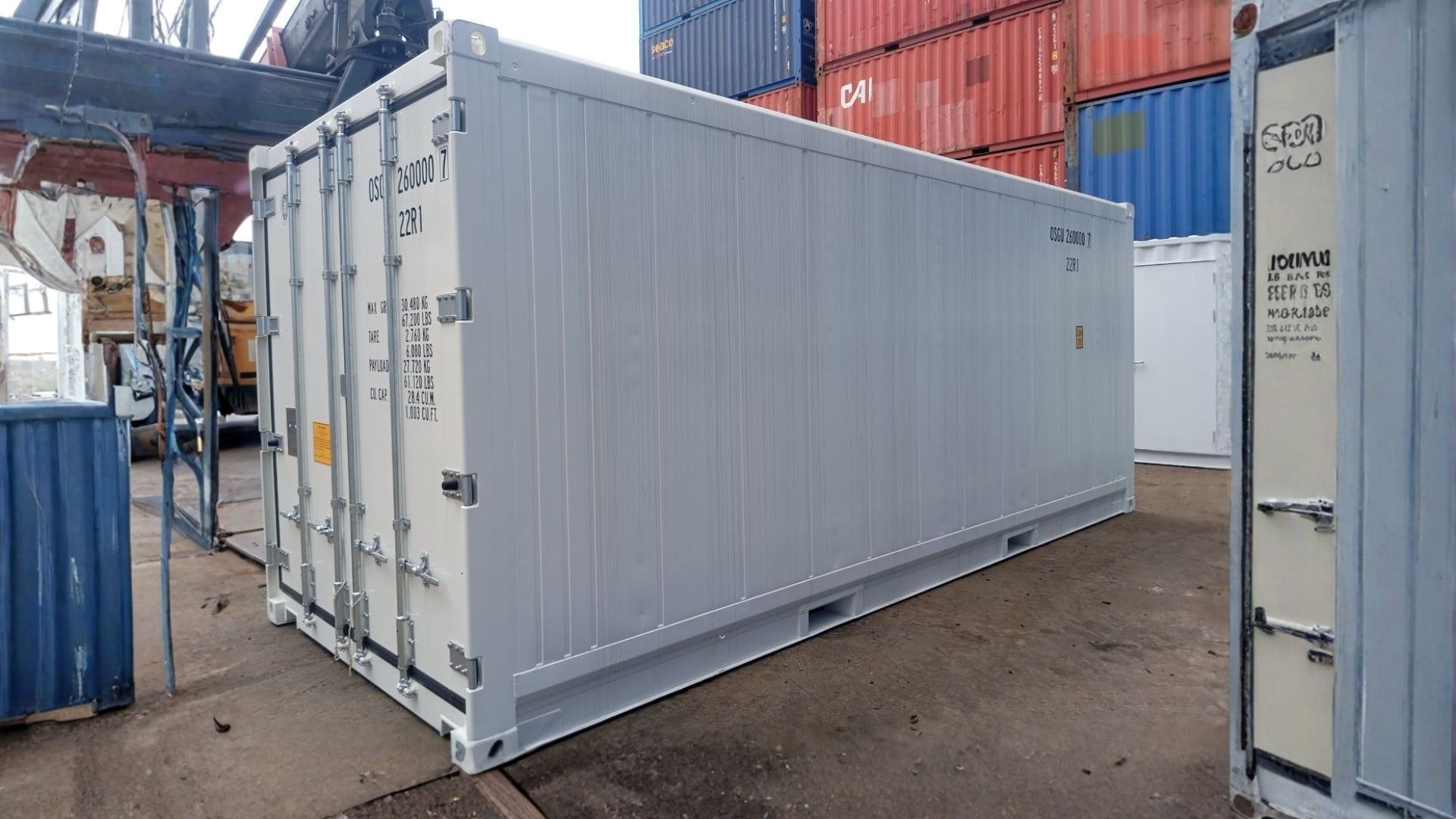
Preparing reefers containers for Safe Transit
Preparing reefers containers requires completing a certified pre-trip inspection, testing sensors, and checking door gaskets for light leaks. Operators must pre-cool the hold to assigned setpoints, configure ventilation, stow freight strictly below the red ceiling load line across all T-bar floor channels, maintain continuous genset electrical power, and audit digital temperature logs at every intermodal transfer.
When high-value perishable freight spoils on the water, insurers reject claims that trace back to poor yard preparation, dirty floor channels, or unverified cooling systems. Cargo protection starts long before ocean carriers hoist a box onto a vessel deck, because refrigerated machinery is built strictly to maintain product temperature rather than pull down warm cargo. If you hand over a cold box with undetected physical damage, bad sensor calibration, or clogged floor rails, you guarantee temperature abuse that ruins your margins and destroys client trust. Preparing reefers containers properly demands an unyielding mechanical protocol, disciplined cargo handling, and continuous electrical tracking from the initial depot gate out to the final receiving dock.
Conducting the Pre-Trip Inspection and Box Verification
Every commercial cold chain shipment demands a certified Pre-Trip Inspection performed by qualified depot technicians before dispatch. You must run a modern reefer container through its automated self-diagnostic sequence to confirm that all electrical contactors, internal fans, heating elements, and compressors operate within normal operating envelopes. Skipping a formal pre-trip check because you face a tight schedule invites catastrophic compressor failure halfway through an ocean transit.
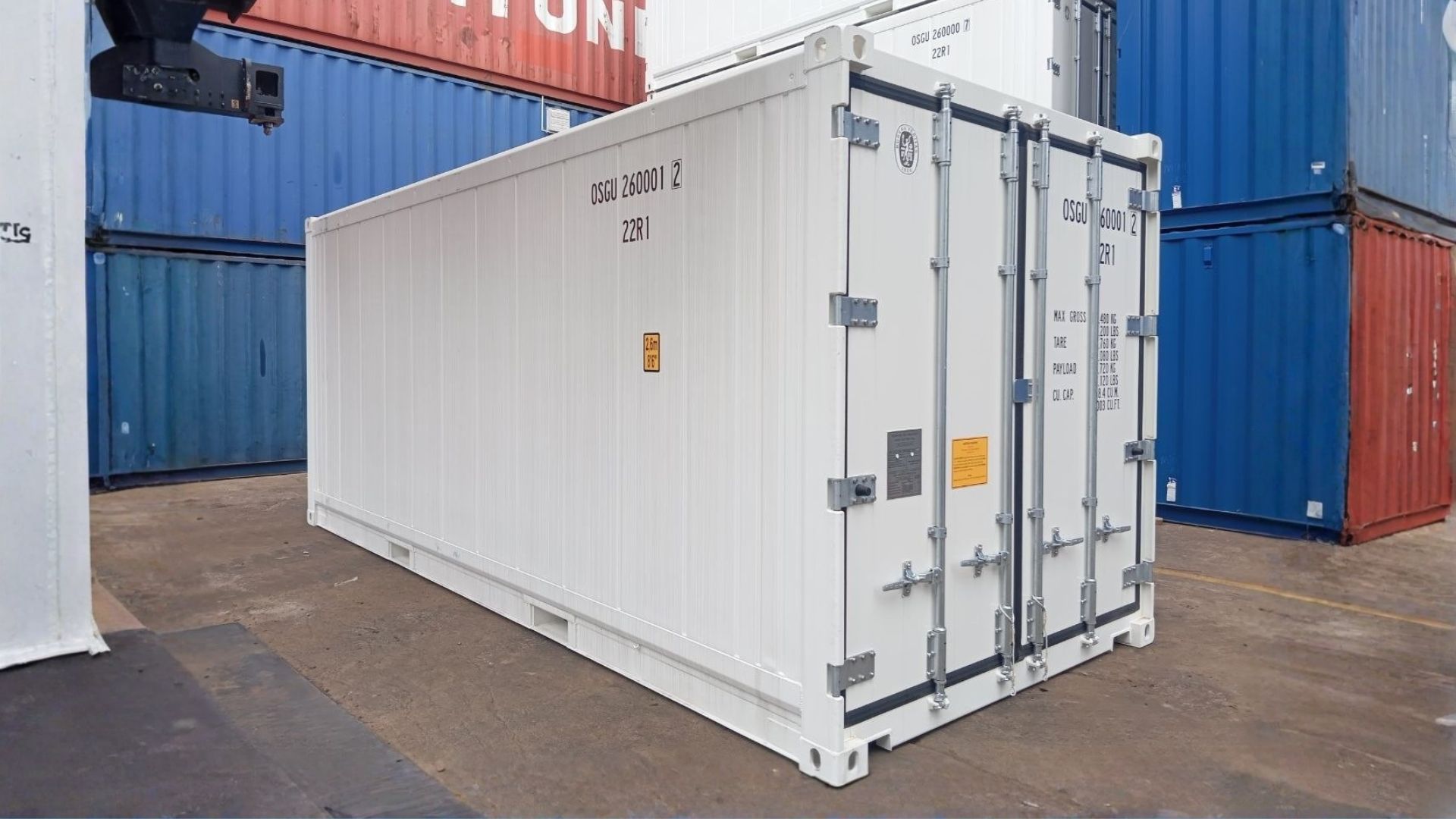
We always advise shippers to reject any container that passes automated software diagnostics but displays physical wear along structural corner castings or door posts. The software cannot spot physical stress fractures in corner headers, and handling equipment will twist a degraded frame under sea swell conditions, breaking interior thermal seals.
- Connect the machinery to a certified 460V depot terminal and initiate the automated short pre-trip inspection sequence on the controller keypad.
- Allow the controller to cycle through component steps, checking amperage draws across compressor windings, condenser fan speeds, and evaporator heater banks.
- Confirm that the supply air temperature sensor and the return air temperature sensor show matched readings within a tight tolerance of 0.25 degrees Celsius when chilled.
- Inspect internal drain tubes and kazoo check valves to verify that condensation escapes freely without letting warm outside air rush backward into the cargo compartment.
- Examine the external data port for physical corrosion and verify that technicians have cleared historic error codes before clearing the machinery for packing.
Testing Refrigeration Machinery and Sensor Calibration
Technicians must calibrate the supply air and return air thermistors against independent, certified temperature wells before releasing units for chilled fruit or pharmaceutical runs. If these sensors sit out of true alignment by merely one degree, the controller may blow freezing air across top cargo cartons and cause severe frost damage to produce like avocados or berries. When shipping under cold treatment rules enforced by quarantine authorities, you must insert certified USDA pulp probes into dedicated test wells, verifying that each reading registers accurately across the controller display board.
Identifying Hidden Seal Defects and Structural Faults
A closed box must remain completely light-tight to preserve internal atmosphere and prevent external heat from migrating into the cargo space during warm summer transits. Technicians need to step inside the container, have an assistant latch the heavy rear doors tightly from outside, and look for pinpoint light leaks around the four-lip door gaskets. Any visible light beam reveals a damaged seal that will suck in ambient humidity, coat evaporator fins in thick ice, and force the refrigeration unit into destructive, continuous defrost loops.
Pre-Cooling the Cargo Hold to Required Setpoints
Pre-cooling the empty cargo space protects the box insulation, stabilizes internal surface temperatures, and verifies that the refrigeration machinery reaches assigned setpoints before you load freight. Operating reliable reefer containers requires you to chill the interior panels down to your target carriage temperature, whether you handle deep-frozen meat at minus twenty-five degrees or delicate fresh stone fruit at two degrees. Setting the unit running while empty also blows out lingering dust and verifies that the microprocessors maintain consistent cooling performance under actual load conditions.
You must turn off the machinery completely the moment you open the rear doors for loading at the warehouse bay. Leaving the unit running while warehouse doors stand open acts like an industrial vacuum pump, pulling hot, humid warehouse air across the ceiling and depositing thick frost directly onto the refrigeration coils within minutes.
Configuring Microprocessor Controls and Ventilation Rates
Different commodities require distinct microprocessor configurations to safeguard shelf life and prevent toxic gas accumulation during transit. You must adjust fresh air vent discs according to the exact respiratory profile of your crop, opening vents to flush out carbon dioxide while keeping vents completely closed for all frozen shipments.
- Frozen Proteins: Set the cooling unit between minus eighteen and minus twenty-five degrees Celsius with ventilation ports tightly closed to prevent humidity entry.
- Chilled Deciduous Fruit: Program the controller to one degree Celsius, configure continuous fan operation, and open fresh air vents to fifteen cubic meters per hour.
- High-Respiration Tropicals: Maintain setpoints between eight and twelve degrees Celsius while setting ventilation rates high enough to purge ethylene buildup continuously.
- Dehumidification Mode: Engage active relative humidity controls between fifty and sixty-five percent whenever moving coated cardboard cartons prone to structural moisture collapse.
Detecting Moisture Accumulation and Defrost Failure Risks
Excess interior moisture turns into dense ice barriers across the evaporator coil, preventing chilled air from circulating through the bottom T-bar floor grating. If you observe standing water pooling along the floor channels during your pre-cooling cycle, you must squeegee the floor dry and clear the floor drains before bringing in cargo pallets. Modern machinery uses automated defrost timers, but an undetected sensor fault or damaged defrost termination switch can cause ice accumulation that throttles air movement and leads to rapid thermal runaway inside the hold.
Loading and Stowing Cargo to Protect Airflow
Airflow dictates temperature control; the cooling unit does not cool your freight directly, but instead circulates a continuous blanket of conditioned air around and through the cargo pack. When loading reefers containers, you must arrange pallets to preserve the specialized bottom-air delivery design that pushes chilled air up through the aluminum floor channels. Blocking the airflow path at the floor level forces supply air to short-circuit back to the return bulkhead without ever pulling heat out of the center boxes.
| Cargo Dimension Parameter | Strict Specification Limit | Operational Risk of Non-Compliance |
|---|---|---|
| Maximum Load Height | Bottom edge of red ceiling load line | Air short-circuits to return bulkhead, creating heat pockets. |
| Floor Coverage Area | 100 percent of aluminum T-bar surface | Air bypasses pallets, leaving cargo holds unchilled. |
| Rear Door Clearance | Minimum 8 to 12 centimeters from door interior | Chilled air cannot drop down to finish the circulation loop. |
| Pallet Gap Management | Filled with filler boards or dunnage bags | Uncovered gaps steal static air pressure from distant cartons. |
Stowing Cargo Strictly Within Floor and Height Limits
Every commercial container features a prominent red line painted horizontally along the top interior walls that marks the absolute ceiling limit for stowed goods. Stacking cargo above this line chokes the air discharge path, forcing cold supply air directly downward into the nearest cartons and starving the rest of the box. You must also cover the entire floor surface from the front refrigeration bulkhead to the rear door sill, laying down empty pallets, filler paper, or cardboard sheeting over any exposed floor sections so conditioned air does not bypass the cargo.
Recognizing Blocked Air Circulation and Hot Spot Formation
Loose cartons that shift during loading can slip into the return air bulkhead recess or block the bottom T-bar profile entirely. When floor channels get blocked by pallet corners, shrink-wrap scraps, or crushed cardboard corners, air resistance increases dramatically and static pressure collapses inside the hold. The trapped heat generated by biological fruit respiration builds steadily over time, creating severe internal hot spots that ruin shelf life while external controller sensors falsely report steady conditions.
Securing Continuous In-Transit Electrical Power
Intermodal handoffs represent the most vulnerable links across the entire cold chain network, especially during long inland rail moves or congested truck terminal transits. You must maintain continuous power to the container reefer cooling machinery using reliable diesel generator sets whenever shore power connections or vessel utility lines remain out of reach. Allowing machinery to sit unpowered during truck staging or customs delays causes internal temperatures to spike quickly, especially inside high-cube units exposed to direct sunlight on open asphalt.
We choose clip-on generator sets for short inland truck moves because they mount directly to the container header, whereas underslung chassis generators serve better for continuous regional intermodal rail circuits. Underslung units keep the center of gravity low and eliminate the risk of tractor cab clearance issues during highway maneuvers.
Attaching Clip-On Gensets and Power Plugs Correctly
Mounting a clip-on diesel generator demands physical inspection of the upper corner casting clamps and structural mounting brackets to stop the unit from vibrating loose on rough roads. Technicians must insert the heavy-duty 460V yellow maritime power plug firmly into the container receptacle, engaging the mechanical locking ring tightly to keep out rain and road spray. Inspect the fuel filter bowl for water contamination, confirm that the diesel tank contains sufficient winter-blend fuel for the planned transit time, and start the engine before dispatching the driver.
Spotting Voltage Irregularities and Operational Cut-Offs
Refrigeration controllers incorporate protective relays that shut down compressors automatically if electrical voltage fluctuates outside safe working thresholds of approximately 380 to 460 volts. An unstable genset engine governor can introduce erratic power frequencies, tripping the main circuit breaker and halting all cooling while displaying misleading power-loss warnings on the panel. Drivers and yard personnel must inspect the pilot lights on mounted gensets at every rest stop, verifying that the green run indicator remains illuminated and the cooling unit hums steadily.
Monitoring Temperature Logs and Managing Handoff
Modern cold chain compliance relies on verifiable, tamper-evident digital records retrieved at every commercial interchange and transport terminal. When handling a designated cntr reefer unit, you must download the electronic log files directly through the controller optical port or grab them wirelessly via telematics platforms. These electronic breadcrumbs protect your business against baseless cargo claims by showing steady supply, return, and ambient temperature curves through every hour of carriage.
Our operational policy requires generating an electronic handoff receipt the moment an intermodal carrier transfers custody to a marine terminal or railhead. If the transport driver hands over a box without validating current setpoint temperatures against shipping documents, liability shifts immediately to the receiving terminal.
- Retrieve the electronic data file using a certified handheld download tool or connect via local wireless gateway using operational diagnostic software.
- Cross-reference the downloaded supply air, return air, and defrost timestamps against the primary bill of lading requirements and booking declarations.
- Check the event log specifically for unplanned power interruptions, high-pressure alarms, or prolonged manual temperature adjustments made during the trip.
- Inspect physical bolt seals on the rear locking bars, verifying that serial numbers match the ocean manifest before permitting terminal gate-in.
Downloading Data Logs and Verifying Transit Records
Microprocessor data storage holds months of high-resolution readings, recording temperatures at regular intervals alongside supply voltage, defrost cycles, and sensor errors. Reviewing these records allows your team to spot brief power outages during rail yard switching operations or show that container machinery ran flawlessly while in your care. Always back up raw download files in their original binary format to ensure that cargo surveyors and maritime courts accept your records as unedited evidence during disputes.
Diagnosing Cold Chain Breaches and Cargo Spoilage Signs
When you unlock container doors at the destination warehouse, look for physical clues that reveal improper temperature control during ocean transit. Wet, collapsed corrugated shipping boxes indicate that pallet cartons lost structural integrity under high ambient humidity or suffered thawing during transit. If you detect foul fermentation odors, spot mold along packaging corners, or find ice crystals clinging to inner ceiling panels, halt unloading immediately, seal the doors, and summon an independent marine cargo surveyor to document conditions before proceeding.
If you are reviewing your depot preparation routines or need expert assistance refining your cold chain quality control, our team can help you audit your inspection standards and safeguard perishable freight.
Frequently Asked Questions
How does a reefer container work?
A refrigerated shipping box acts as a closed-loop thermal envelope that maintains temperature by cycling conditioned air through the cargo hold. A mechanical compressor circulates refrigerant through external condenser coils and internal evaporator coils. Fans push return air drawn from the ceiling downward through the cooling machinery, forcing conditioned supply air out through bottom aluminum T-bar floor channels. This air rises through cartons, absorbs ambient and biological heat, and flows back to the top intake to repeat the cooling cycle.
How to set temperature on reefer container?
To program the temperature, unlock the keypad display housing on the exterior machinery faceplate and turn on the control power switch. Press the setpoint key to bring up the temperature selection screen, use the arrow keys to adjust the digital display to your desired carriage temperature, and press the enter key to confirm the setting. Always wait thirty seconds to verify that the controller locks in the new value and begins staging the compressor to reach the assigned setpoint before securing the weatherproof cover.
What is a genset for a reefer container?
A genset, or generator set, is a self-contained diesel engine paired with an electrical alternator designed to power refrigerated containers when external utility power is unavailable. These machines deliver continuous 460-volt, three-phase electrical power during long-haul truck transport, rail transit, or staging in unimproved terminal yards. Shippers use clip-on models attached to the upper corner castings for point-to-point road delivery, or chassis-mounted underslung models for heavy intermodal rail flatcar operations.
How many pallets fit in a 40ft reefer container?
A standard 40-foot refrigerated container accommodates twenty standard European pallets measuring 1200 by 800 millimeters, or up to twenty-three pallets if nested carefully depending on door clearances. For standard industrial pallets measuring 1200 by 1000 millimeters, the box holds eighteen to nineteen pallets arranged in two rows. Thicker wall insulation in cold containers reduces internal width and length compared to dry shipping containers, so you must measure internal clearance carefully to prevent pallets from jamming against wall battens during packing.
Check here to check out OSG Reefer Containers NOW: https://osgcontainers.com/en-sg/product/reefer-container