
Standard vs Luxury Portable Toilet Rental Singapore
A portable toilet rental provides essential sanitation for events and construction sites, with standard units offering cost-effective durability for basic needs and luxury trailers delivering high-end comfort with running water, flushing toilets, and climate control for VIP gatherings.
Standard portable toilet rental overview and pricing
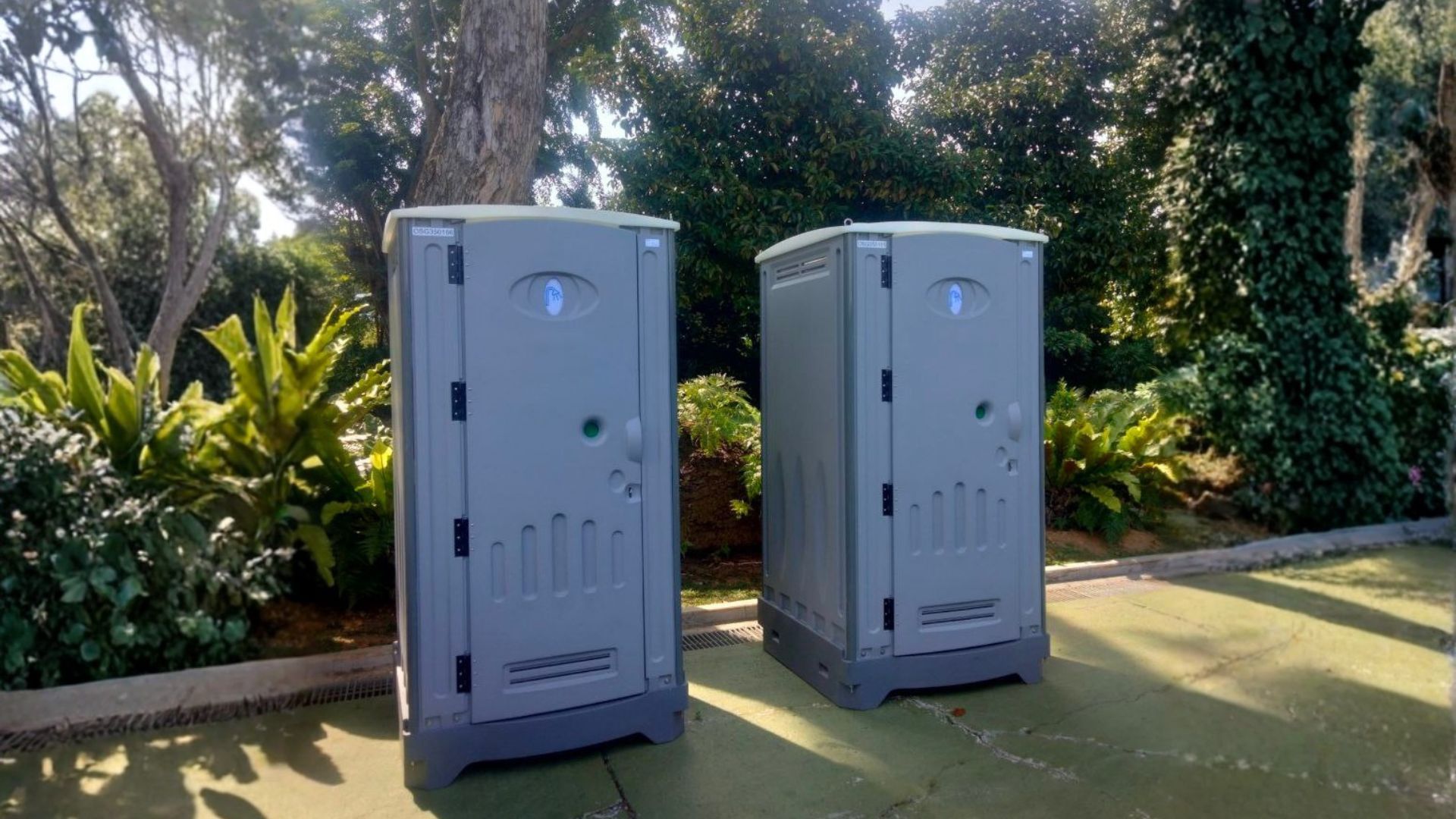
You need a reliable, cost-effective sanitation setup for a busy construction site or a large public festival. Basic site hygiene starts with units that get the job done without extra frills. When you plan these basics, you must balance user volume against unit count. A standard portable toilet rental gives you a weather-resistant polyethylene cabin, a slip-resistant floor, a translucent roof for natural light, and a dedicated waste tank. Most models hold around 60 to 70 gallons, which translates to roughly 150 to 200 uses before the unit requires service. You also get a toilet seat, a lid, and a urinal built into the molded plastic interior.
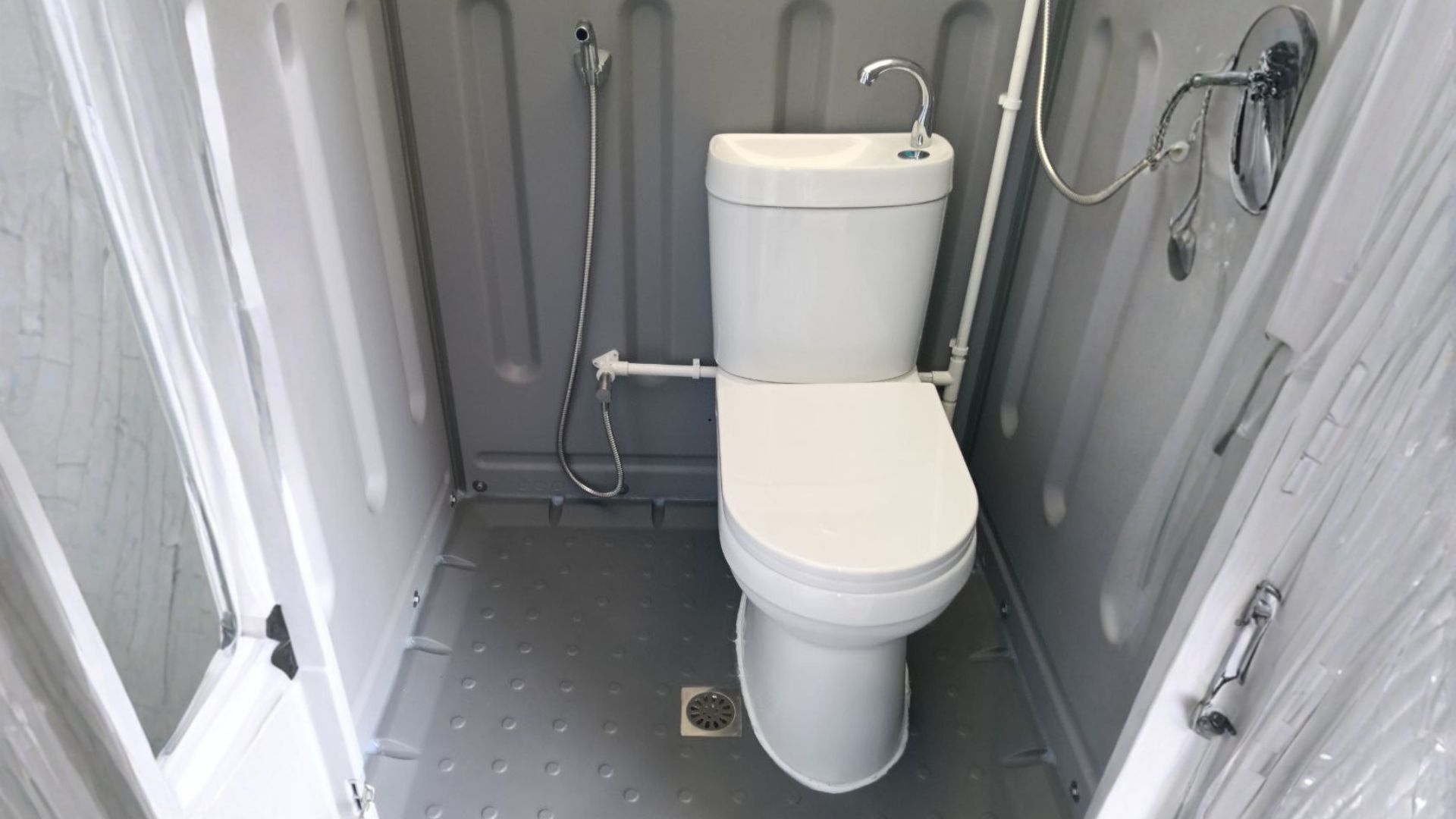
Pricing reflects the bare-bones utility of these cabins. You pay for transport, placement, and scheduled pump-outs. A basic unit keeps your overhead low, which makes it the go-to choice for civil engineering projects, roadwork sites, and open-air concerts where durability matters more than comfort. You do not have to worry about delicate fixtures or complex plumbing lines because these units operate on a completely self-contained waste system.
Key specifications and design
- Built from high-density polyethylene to withstand harsh weather and heavy site use.
- Approximate dimensions of 4 feet wide, 4 feet deep, and 7.5 feet high.
- Integrated translucent roof panel that lets in daylight so users do not fumble in the dark.
- Non-skid floor surface designed to prevent slips when shoes are wet or muddy.
- Spring-loaded door hinge that closes automatically to keep odors contained and interiors private.
- Interior latch with a clear occupancy indicator (vacant or in use) visible from the outside.
Cost breakdown for standard rental of portable toilets
Base rates for a standard cabin depend heavily on your rental duration and location. For a short weekend event, you pay a delivery and pickup fee bundled with the rental rate. Long-term construction leases usually bill on a 28-day cycle, which lowers the daily cost.
- Weekly rental rate per unit typically ranges from baseline figures up to moderate regional averages.
- Delivery and pickup charges apply per trip, based on your site access and distance from the depot.
- Scheduled weekly waste pumping service is usually included in long-term monthly contracts.
- Optional damage waiver fees protect you against vandalism or severe site accidents.
- Extra cleaning charges apply if users misuse the unit or leave excessive debris inside.
Luxury portable toilet rental overview and pricing
You run a high-end corporate gala, a luxury wedding, or a VIP film set where standard plastic boxes simply will not do. Your guests expect the comforts of a permanent indoor restroom, complete with running water, climate control, and stylish interior finishes. A high-end setup transforms basic sanitation into a premium guest experience. These luxury trailers feature multiple private stalls, flushing porcelain bowls, running water sinks, vanity mirrors, and integrated lighting. Some units even include sound systems and air conditioning to keep the interior fresh and comfortable throughout a long afternoon or evening.
You pay significantly more for these mobile restrooms, but the investment protects the aesthetic of your event and keeps sophisticated guests comfortable. Instead of a single plastic cabin over a holding tank, you get a multi-stall trailer towed to your venue, leveled, and connected to water and power sources—or run via onboard generators and fresh water tanks if utility hookups are out of reach.
Advanced features and amenities
- Real porcelain flush toilets connected to fresh water or recirculating systems.
- Running water sinks with hot and cold taps, soap dispensers, and paper towel holders.
- Interior climate control via air conditioning units and electric heaters.
- Full-length vanity mirrors, modern faux-wood flooring, and recessed LED lighting.
- Separate men and women sections with distinct entry doors and multi-stall layouts.
- Quiet onboard generators or direct plug-in capability for seamless power delivery.
Cost breakdown for premium portable toilets on rent
Deploying a luxury trailer involves complex logistics, careful leveling, and specialized cleaning protocols. Pricing reflects this higher labor and equipment investment.
- Daily or per-event rental rates start much higher than standard cabins due to the scale of the trailer.
- Transport fees are higher because these units require specialized tow vehicles and careful placement.
- Optional on-site attendant services keep the trailer spotless throughout your event.
- Utility connection or generator fuel costs must be factored into your total operational budget.
- Security deposits are standard to cover potential interior damage or plumbing clogs.
Capacity comparison for your event or site
You cannot guess how many stalls you need unless you calculate peak foot traffic and event duration. Underestimating your user volume leads to overflowing tanks, long lines, and unhappy guests or workers. Standard units handle heavy volume quickly because people are in and out in two minutes. Luxury trailers handle similar numbers through multiple stalls, but guests often take longer inside due to the mirrors and comfortable environment.
User volume limits for standard units
One standard cabin safely supports up to 10 compartments or 100 workers during a standard 40-hour work week. For a single-day event lasting four to six hours, a single unit can manage roughly 75 to 100 people before it starts to smell or fill up. If you serve alcohol at an outdoor concert or festival, you must increase your unit count by at least 30 percent because drinking increases frequency of use.
- Calculate a ratio of one unit per 75 guests for events lasting up to six hours with no alcohol.
- Drop that ratio to one unit per 50 guests if alcohol is served or the event runs longer.
- Place units in clusters rather than single isolated spots to keep lines moving and reduce wait times.
- Schedule a mid-event service run if your gathering spans multiple days or exceeds standard volume caps.
User volume limits for luxury units
Luxury trailers use multi-stall configurations, separating men and women to speed up throughput. A standard two- or three-station luxury trailer comfortably serves up to 250 guests over a four-hour event. Larger luxury models with eight to ten stations can handle events with 500 or more attendees without generating massive queues outside the door.
- Match trailer station counts to your peak attendance numbers using standard event planning formulas.
- Account for the longer dwell time inside luxury stalls when calculating total hourly capacity.
- Position trailers on firm, level ground close to the main venue entrance for easy access.
- Ensure your water and power source can sustain the electrical draw of multiple pumps and AC units.
Maintenance and servicing requirements
Sanitation units require strict adherence to cleaning schedules to remain safe, hygienic, and odor-free. Whether you manage a muddy construction trench or a pristine wedding garden, neglect ruins the user experience immediately. Standard cabins rely on chemical deodorizers dropped into the holding tank, while luxury trailers need mechanical checks for pumps, fresh water levels, and greywater management.
Cleaning frequency for standard models
Construction sites require at least one service visit per week for every unit in use. A service technician pumps out the waste tank, power-washes the interior walls and floor, replenishes toilet paper rolls, and recharges the holding tank with fresh deodorizing chemicals. If your site runs a double shift with fifty workers per unit, you should upgrade to twice-weekly servicing to prevent unpleasant odors.
- Technicians use a vacuum hose to empty the polyethylene waste tank into a pumper truck.
- Fresh water and scented blue chemical concentrate are pumped back into the tank to break down waste.
- All interior plastic surfaces receive a thorough spray-down with disinfectant cleaner.
- Toilet paper dispensers are restocked with commercial-grade multi-ply rolls.
Servicing schedules for luxury models
Luxury trailers demand constant attention during active events. You cannot rely on a weekly drop-in when hosting a high-profile gathering. A dedicated attendant should monitor paper supplies, wipe down sinks, and check water levels every hour. After the event concludes, the trailer requires complete waste tank evacuation, freshwater tank flushing, and sanitization of all porcelain and stainless steel fixtures before its next deployment.
- Hourly checks by an on-site attendant ensure sinks stay clean and paper stays stocked.
- Waste holding tanks are pumped out immediately after the event ends, often on-site via pumper truck.
- Greywater from sinks is drained and managed according to local environmental rules.
- Climate control filters and internal electronics undergo routine testing between rentals.
Which option to choose for your project
You must weigh your project type, budget limits, and guest expectations before you sign a contract. If you manage a rugged industrial site, spending money on porcelain sinks and air conditioning is a waste of capital. Conversely, if you host a wedding where guests wear formal attire, standard plastic cabins will draw complaints and harm the event's reputation. Match the hardware to the mission.
We always advise event planners to look closely at their demographic. If your attendees expect comfort and elegance, choose a luxury trailer. If your crew just needs a functional place to wash their hands and use the toilet between pouring concrete, stick to standard cabins. Local regulations and placement constraints also matter; trailers need larger clearance and solid ground, whereas single plastic units fit easily into tight corners.
Decision criteria based on event type and budget
- Identify your core audience: Is this a working crew, a ticketed concert crowd, or VIP wedding guests?
- Calculate your total budget: Determine what percentage of your operational costs can support sanitation.
- Check site utilities: Verify if you have access to municipal water and power, or if you need self-contained systems.
- Assess ground conditions: Ensure your chosen location can support the weight of a heavy trailer or multiple plastic cabins.
- Review local delivery access: Confirm that trucks can reach the exact placement spot without obstructions.
Summary comparison table
| Feature | Standard Portable Toilet | Luxury Portable Restroom Trailer |
|---|---|---|
| Primary Use Case | Construction sites, public festivals, parks | Weddings, corporate galas, VIP events |
| Construction Material | High-density polyethylene plastic | Fiberglass, wood trim, porcelain fixtures |
| Plumbing System | Self-contained bottom holding tank | Flushing toilets, running water sinks |
| Climate Control | Vents only | Air conditioning and heating |
| Typical Cost Tier | Budget-friendly, low operational overhead | Premium investment, higher transport and setup fees |
Frequently Asked Questions
How much does a portable toilet rental cost?
The cost varies based on whether you choose a basic plastic cabin or a multi-stall luxury trailer. Standard units are billed on a weekly or monthly basis with service included, while luxury trailers carry higher daily event rates due to transport, setup, and staffing needs.
How much is portable toilet rental?
Pricing depends on your location, how long you need the equipment, and how often the units require servicing. Basic long-term rentals on construction sites represent the lowest tier of expenditure, whereas custom weekend trailer deployments for large events represent the highest tier.