
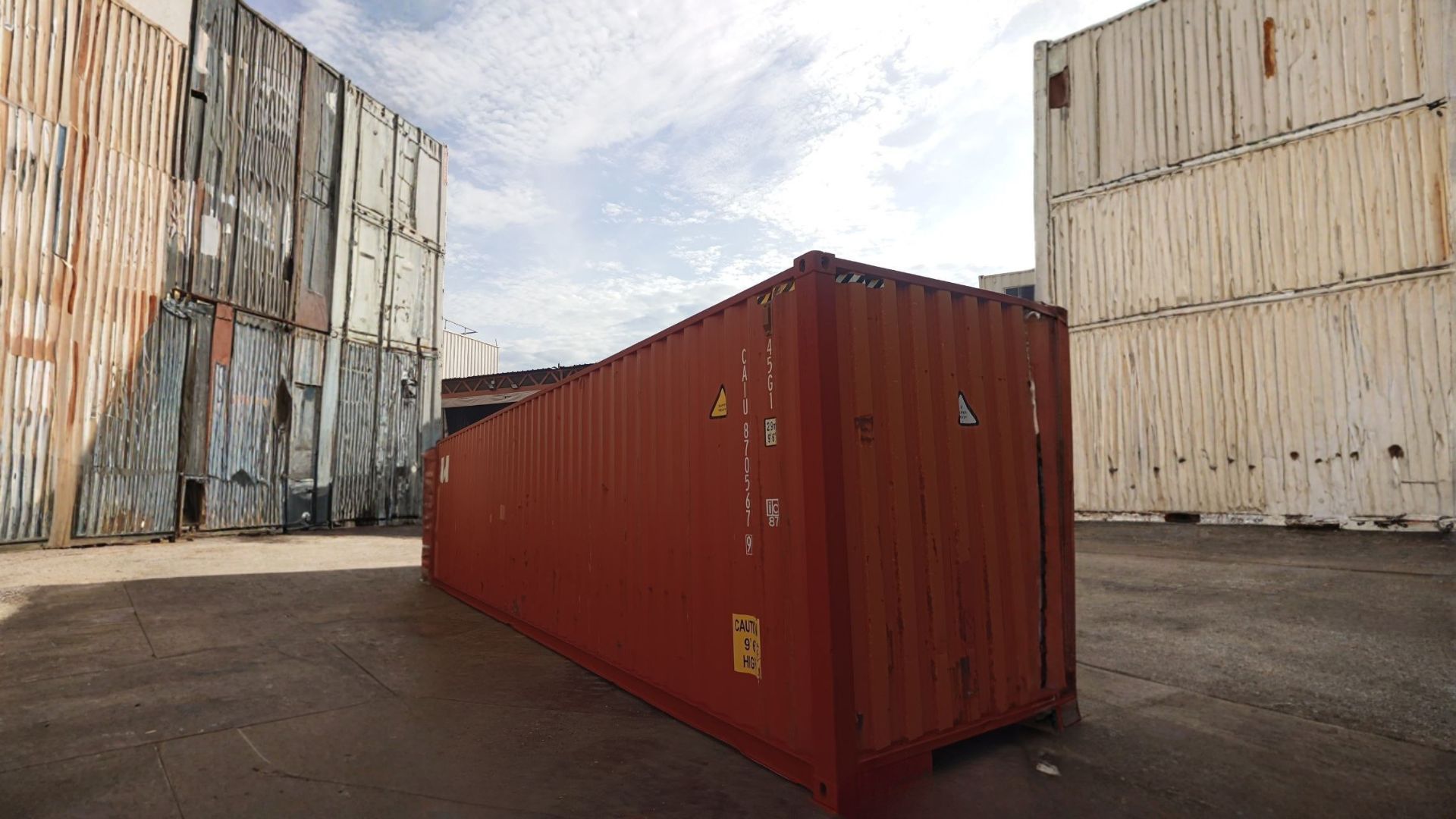
When to Choose High Cube Containers for Shipping
When you need an exact handle on your cargo volume before you book space or buy steel, high cube containers provide roughly 76 cubic meters of usable interior space. This extra foot of vertical room alters how you stack, pack, and ship your goods across oceans.
Understanding the CBM of a 40ft High Cube Container
You need an exact handle on your cargo volume before you book space or buy steel. When you look at standard equipment, you often run out of vertical room before you run out of weight limits. That is where the 40 high cube container changes the math for your supply chain. It gives you an extra foot of height compared to standard gear, which alters how you stack, pack, and ship your goods across oceans.
Internal capacity and volume specs
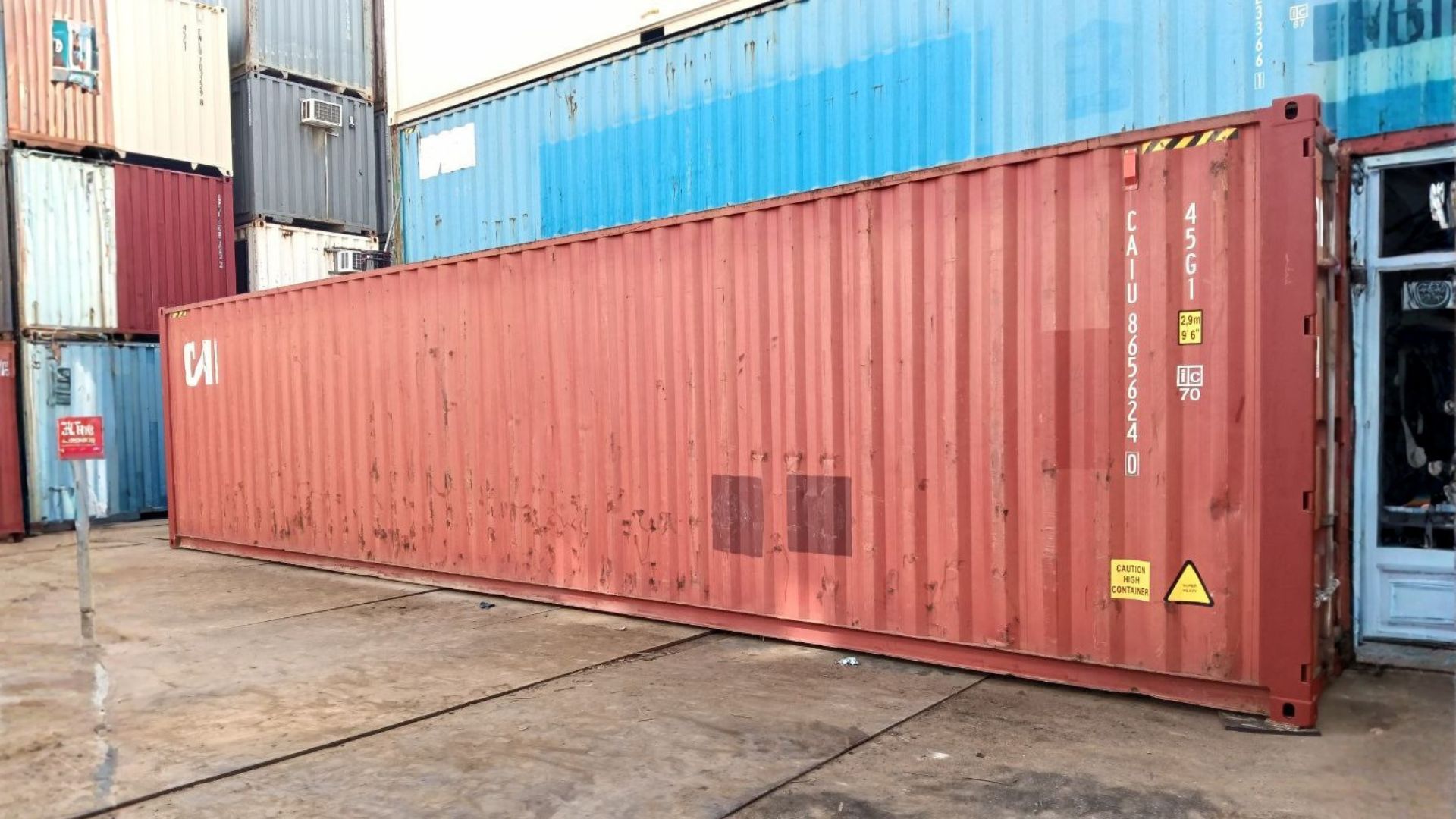
The standard forty-foot box gives you about 67 cubic meters of space. When you switch to a high cube variant, that number jumps up significantly. You get roughly 76 cubic meters of usable volume inside the shell. That extra foot of height takes the interior from eight feet and six inches up to nine feet and six inches. The length and width stay identical at forty feet by eight feet, meaning it fits on standard chassis and slot into cellular guides on container ships without any special handling.
Comparison table of standard versus high cube dimensions
| Container Type | External Height | Internal Height | Cubic Capacity (CBM) |
|---|---|---|---|
| Standard 40ft Dry Van | 8 ft 6 in (2.59 m) | 7 ft 10 in (2.39 m) | 67 CBM |
| 40 high cube container | 9 ft 6 in (2.90 m) | 8 ft 10 in (2.69 m) | 76 CBM |
Evaluating the CBM in a 40ft High Cube Container for Cargo
Packing goods efficiently is an exercise in geometry and weight distribution. If you ship furniture, textiles, or electronics, your freight usually weighs very little relative to the space it occupies. You hit the roof long before you hit the floor load limit. Operating a high cube container solves this exact bottleneck by letting you stack an extra tier of boxes or fit taller machinery that would otherwise require dismantling.
Maximizing vertical space for light, bulky goods
- Use the extra 30 centimeters of headroom to add a complete top layer of standard export cartons.
- Pack tall skids, industrial refrigerators, or exhibition stands that require clearance above eight feet.
- Reduce your total number of shipped units by consolidating loose cargo into fewer tall boxes.
- Secure top-heavy items properly with dunnage bags and lashing points because taller stacks create higher leverage during rough seas.
Calculating pallet capacities
- Measure the footprint of your standard pallets to see how many fit across the floor of the unit.
- Check the maximum door clearance height, which is slightly lower than the internal ceiling height at eight feet five inches.
- Determine if your loaded pallets can be double-stacked safely without crushing the bottom tier.
- Verify that your total floor and vertical layout leaves enough clearance for forklift entry during loading and unloading.
Sourcing a 20 High Cube Container for Special Projects
Sometimes a forty-foot box is simply too large for your site, your cargo volume, or your transport route. When you deal with dense materials or tight urban spaces, you need a different footprint. Selecting a 20 high cube container gives you that same vital extra foot of height while keeping the length manageable at twenty feet. We see these units deployed frequently for remote site offices, machinery storage, and dense urban construction projects where street access is severely restricted.
When to select a 20-foot unit over a 40-foot unit
You should choose a twenty-foot high cube when your cargo is heavy enough to max out weight limits before filling up a forty-foot box. You also want this size if your drop-off site cannot accommodate a massive semi-trailer combination. A twenty-foot box can travel on a smaller rigid truck with a crane attachment, dropping directly into tight driveways or narrow alleys where a long chassis cannot swing.
Weight limits and payload considerations
Steel weighs heavily, and twenty-foot boxes concentrate that weight over a smaller footprint on the road. You must pay close attention to gross vehicle mass limits set by local transport authorities. Even though the interior volume sits around 33 cubic meters, you will often reach the maximum legal payload of the box or your truck before you touch the ceiling. Always balance your vertical capacity gains against the actual weight of your commodities.
Procuring a High Cube Container in Singapore
Getting steel moved, cleared, and dropped in a dense trading hub requires careful coordination with local authorities and transport operators. When you source a high cube container singapore, you deal with strict regulations regarding road clearance, depot storage, and port handling procedures. Space is at a premium in local yards, so planning your logistics ahead of time prevents expensive demurrage and detention charges.
Local delivery logistics and site access
- Confirm that the delivery route has sufficient overhead clearance for a nine-foot-six-inch box mounted on a trailer chassis.
- Check your drop-off site for low-hanging power lines, narrow gates, and soft ground that could bog down a heavy haulage truck.
- Book a side-loader or crane truck in advance if your site lacks a loading dock or a ramp for ground placement.
- Coordinate with building management if you need temporary road closure permits for street-side drops in commercial districts.
Compliance with port and depot regulations
- Inspect the valid CSC safety approval plate on the door to ensure the unit is certified for transport and stacking.
- Ensure your customs declarations match the container identification numbers before moving boxes out of port terminals.
- Return empty units to the designated container depot clean, undamaged, and free of dunnage to avoid penalty fees.
Investing in High Cube Containers for Long-Term Storage
Buying steel units for permanent on-site storage beats building a shed every single time. When you invest in high cube containers, you acquire weatherproof, rodent-proof structures that secure your tools, inventory, or archives for decades. Marine-grade corten steel stands up to driving rain, harsh sun, and salt air without rotting or warping like timber construction.
Durability, weatherproofing, and security features
These units feature heavy-duty rubber gaskets around the doors to seal out moisture and dust completely. Factory-fitted lock boxes protect your padlocks from bolt cutters, giving you strong security right out of the gate. The marine-grade paint system resists rust, though you should touch up any scrapes or dents caused by rough handling to extend the lifespan of the steel.
Cost-benefit analysis of purchasing versus leasing
| Factor | Purchasing New or Used | Short-Term Leasing |
|---|---|---|
| Upfront Cash Outlay | High initial capital expense | Low monthly rental fee |
| Long-Term Cost | Lower cost per month over years of use | Accumulates high expenses over time |
| Asset Ownership | You own the asset and can resell it | You return the unit when the lease ends |
| Modification Freedom | Full freedom to cut doors, add racks, or install AC | Strict rules against permanent modifications |
Frequently Asked Questions
What is the cbm of a 40ft high cube container?
The internal volume of a standard forty-foot high cube box is approximately 76 cubic meters. This capacity gives you extra storage headroom compared to standard equipment.
How many cbm in a 40ft high cube container?
You get about 76 cubic meters of usable space. The precise volume can vary slightly depending on the exact wall corrugation and flooring thickness of the specific manufacturer.