
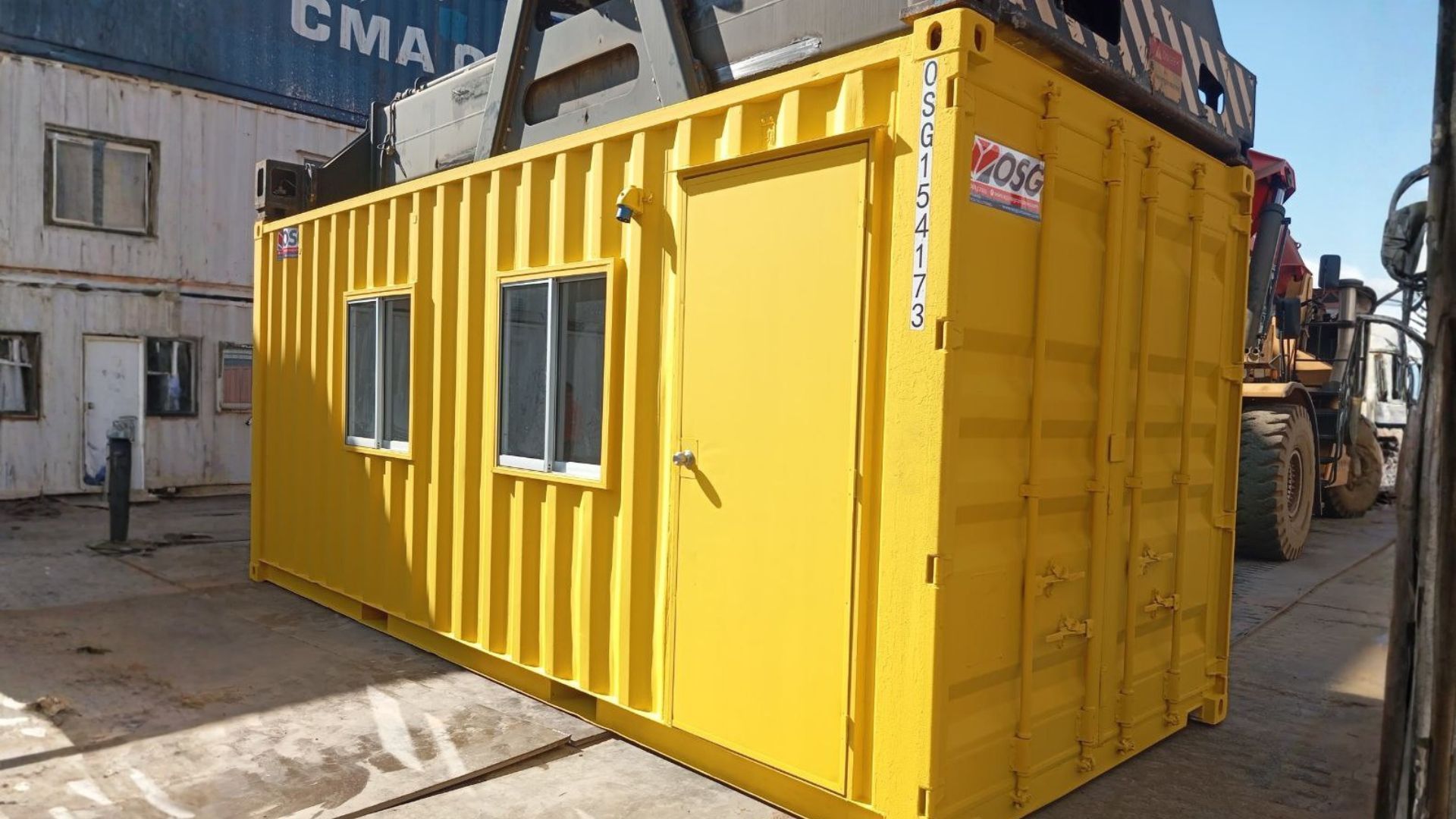
When to Schedule Your Container Rental
Schedule your container rental three to four weeks before peak seasonal projects, or five to seven days during standard months, dropping the unit 24 to 48 hours before materials arrive. This timing prevents costly jobsite delays, avoids paying for unused equipment, and gives your crew adequate time to prepare ground access and shelving.
Locking in delivery dates too late routinely stalls commercial jobs and runs up idle labor bills while crews wait for secure dry storage. Securing delivery three weeks ahead of your actual start date wastes site space and burns capital on unused equipment. Getting the timing right requires balancing lead times, ground conditions, dispatch windows, and eventual off-hire procedures so the steel box touches down exactly when your team can load it.
Stage 1: Assessing Project Timelines and Unit Requirements
You cannot set a realistic delivery date until you match the scope of your inventory to the physical volume of the box. Teams frequently commit to a delivery calendar based on supplier promises for tools and fixtures, only to find the container arrives while materials remain stuck in transit. When you begin renting containers for jobsite storage, establish the earliest date that valuable inventory touches the site, then schedule the drop roughly twenty-four to forty-eight hours before that moment. This narrow window gives your site manager time to verify placement, position ramp systems, and organize interior shelving before the first pallet arrives.
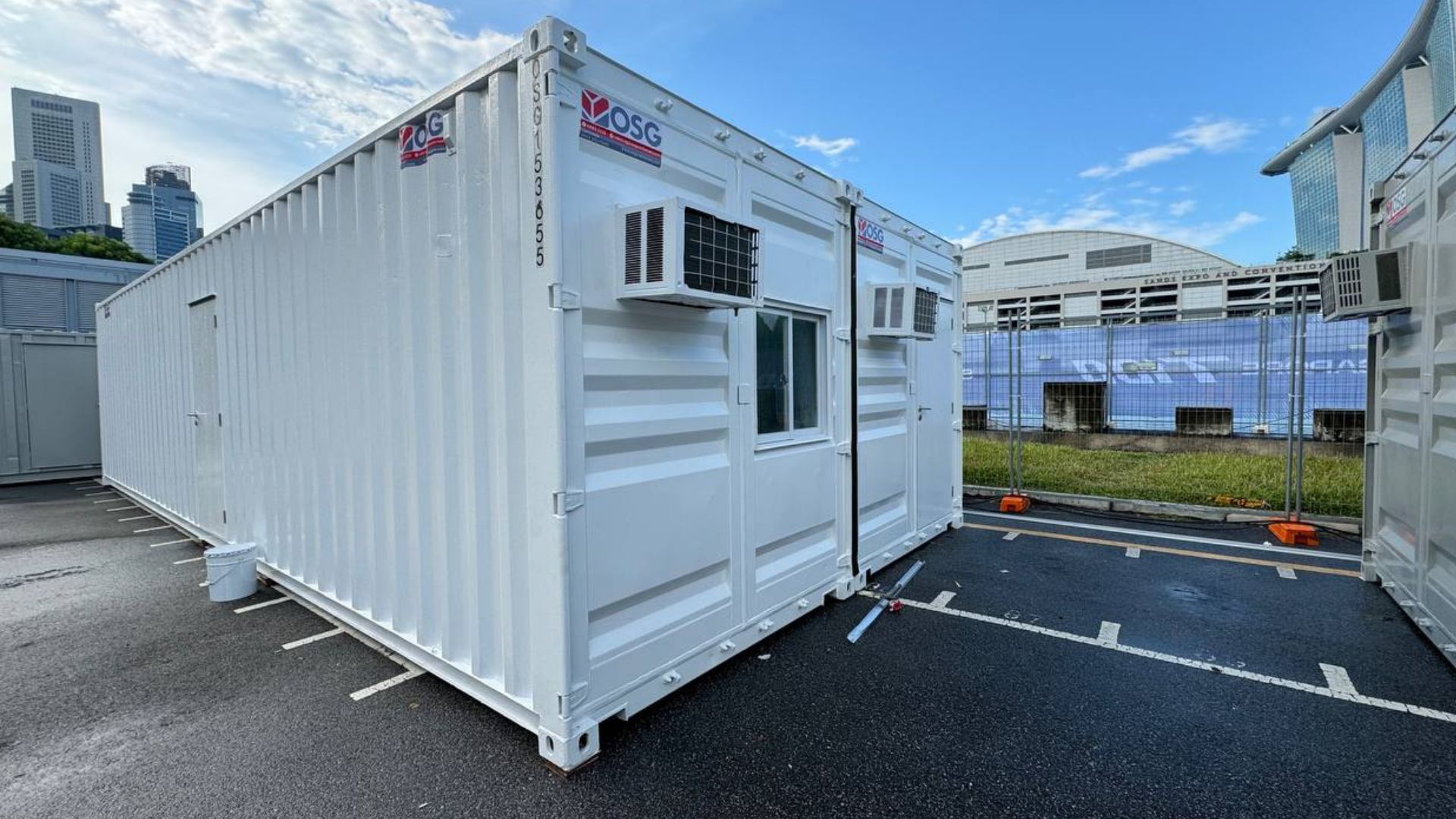
How Far in Advance Should You Reserve Storage Units?
You should reserve storage units three to four weeks in advance during high-demand spring and autumn months, and five to seven business days ahead during slower seasons. Depot inventories fluctuate heavily, and waiting lists grow rapidly during peak construction periods or across rural routes where suppliers must batch deliveries.
Local depot inventories swing drastically between seasons. Construction ramp-ups during early spring and retail overflow needs in early autumn quickly strip yards of standard equipment. If you call a regional supplier during these peak periods expecting a box on your lot in forty-eight hours, you will usually face a waiting list of ten to fifteen business days. Rural drops often require even longer lead times because dispatchers must batch shipments to justify the long haul of a heavy tilt-bed trailer.
We advise locking down your agreement three to four weeks before work starts if your project launches between March and June or September and November. For winter setups or mid-summer requests, a five-to-seven-day booking buffer is generally sufficient. Rushing an order on short notice also forces you to accept whatever units sit at the front of the depot yard, which often means paying standard rates for older, heavily patched fleet inventory.
| Unit Type | External Dimensions | Cubic Capacity | Standard Lead Time (Peak) | Best Applied For |
|---|---|---|---|---|
| 20ft Standard | 20ft L x 8ft W x 8ft 6in H | 1,172 cu ft | 5 to 10 business days | Dense, heavy tools, urban jobsites, tight footprint storage |
| 40ft Standard | 40ft L x 8ft W x 8ft 6in H | 2,390 cu ft | 10 to 15 business days | Bulky materials, palletized dry goods, pipe and conduit |
| 40ft High-Cube | 40ft L x 8ft W x 9ft 6in H | 2,694 cu ft | 12 to 20 business days | Forklift access, oversized machinery, vertical racking systems |
What Size Container Best Fits Your Site Inventory?
Choose a 20-foot container for dense, compact tools and constrained spaces, but upgrade to a 40-foot standard or high-cube unit if you store lengthy materials or use mechanical lifts. Misjudging internal door clearance and ceiling height routinely causes workflow delays and structural scrapes.
A major cause of project delays is selecting a container footprint that fails to accommodate equipment length or vertical racking clearance. A standard 20-foot box handles high-density freight like hardware, generators, and hand tools cleanly, but twenty-foot conduit bundles or lengthy lumber stock will not clear the door swing cleanly once you account for internal locking rods. If your workflow involves pallet jacks or small warehouse mast lifts, we always recommend stepping up to a 40-foot high-cube unit to gain the extra foot of vertical clearance, which avoids scrape damage to container header beams and keeps entry ramps at a manageable slope.
Stage 2: Preparing the Placement Site Ahead of Arrival
A delivery driver cannot drop a multi-ton steel unit onto an unprepared patch of ground without risking structural twist and sinkage. You should finalize site leveling, ground stabilization, and approach pathways at least three days before dispatch. If you plan to rent container units for several months, spending half a day on ground work prevents thousands of dollars in water pooling damage, shifted cargo, and door racking problems down the line.
How Do You Prepare Ground Surfaces for Container Delivery?
Prepare ground surfaces by leveling the pad to less than a two percent grade and reinforcing the corner contact points with timber dunnage, crushed rock, or concrete. Concentrated corner weight on soft soil causes uneven settling, twisting the frame and binding the cargo doors shut.
A dry dirt lot often looks solid during an afternoon site walk, but an empty 20-foot container weighs roughly 5,000 pounds, while a 40-foot unit exceeds 8,000 pounds before you put a single tool inside. That concentrated weight sits entirely on four corner castings rather than the flat bottom panels of the floor structure. When seasonal rains soften the surface, uncompacted soil lets one or two corners sink, which twists the rectangular frame and immediately binds the door hinges shut.
- Paved Asphalt or Concrete: The most stable surface, needing only thin neoprene or rubber pads under the corner castings to prevent pavement gouging.
- Compacted Crushed Stone: An exceptional base for semi-permanent storage because it drains standing water away from the bottom rails and crossmembers.
- Bare Soil or Clay: Requires heavy treated timber dunnage, such as 4-inch by 6-inch hardwood timbers, placed crosswise directly beneath the corner castings to disperse weight across a broader surface area.
- Grading Check: The pad should not exceed a one-to-two-percent slope; steeper angles make manual door operation dangerous and can cause internal freight to shift against the rear wall.
How Much Clearance Does a Delivery Truck Require?
A delivery truck requires at least 60 feet of straight approach space for a 20-foot container and 100 to 120 feet for a 40-foot container, alongside 16 feet of overhead vertical clearance. Insufficient road width or low-hanging wires force drivers to abort deliveries immediately.
Depots typically deliver rental boxes using tilt-bed roll-off trucks or heavy tractor-trailers that require substantial straight-line clearance to drop the box. For a 20-foot unit, the driver needs roughly 60 feet of direct, straight approach space and a minimum width of 12 feet. If you order a 40-foot box, the rig stretches to nearly 70 feet long and demands at least 100 to 120 feet of linear space to slide the container off the rear bed without catching on perimeter fences or curbs.
Look up before confirming your delivery date. Overhead utility lines, communication drops, and low-hanging tree branches must clear at least 16 feet of vertical height because the truck bed rises steeply into the air as the unit touches the soil. Drivers will immediately abort a drop if overhead power lines hang inside their lift envelope, leaving you with a dry-run billing charge and a rescheduled delivery date pushed back by a week or more.
Stage 3: Confirming Booking Windows and Dispatch Logistics
Securing a firm booking date requires direct coordination with the dispatcher rather than relying on automated web confirmations. When booking containers rentals across industrial or commercial zones, you must verify how the hauler manages their daily dispatch routes. Most suppliers prioritize deliveries by geographic sectors to cut fuel burn, meaning an unconfirmed morning request may easily slide into a late afternoon arrival if local traffic or route density forces a delay.
How Do You Avoid Delivery Window Delays on Site?
Avoid delivery delays by booking the first morning drop slot and establishing mandatory telephone check-ins with dispatch by 9:00 AM. Unscheduled arrival windows leave labor crews idle and create gate bottlenecks if personal vehicles and staging equipment are not moved beforehand.
Standard transport agreements usually promise a delivery date rather than an exact hour. If your project relies on hired rigging crews, telehandlers, or union laborers to pack the unit immediately, an open-ended delivery window burns your labor budget while people stand around waiting. Request a "first drop of the morning" slot whenever possible; haulers load these units the afternoon before, ensuring the driver heads straight to your location first thing at daybreak.
If you must accept a mid-day window, write check-in milestones into your planning calendar. Have your procurement lead call dispatch by 9:00 AM on delivery day to confirm the truck is rolling, and request a mandatory thirty-minute call from the driver before entering the site. This habit prevents site congestion and allows you to move personal vehicles and staging equipment out of the entry gate before the truck reaches your turn-off.
What Contract Details Cause Unexpected Delivery Fees?
Unexpected delivery fees stem from failed property access, missing municipal permits, blocked entry gates, and wrong door orientation. Rental agreements place full towing and road-repair liabilities onto the customer the moment a transport truck crosses off a public street.
Hauler contracts contain strict language concerning property rights, road surfaces, and tow recovery liability. When a truck leaves a public paved roadway to traverse your jobsite, the contract terms routinely transfer full responsibility for towing, ground repair, and undercarriage damage to you. Review these operational parameters before dispatch day to avoid unexpected site fees:
- Permit Approvals: Secure municipal right-of-way or street obstruction permits if the unit will rest on a public curb, alleyway, or parking lane.
- Gate Clearances: Verify that entry gates measure at least 10 to 12 feet wide, accounting for gate hinges, post caps, and keypad stands.
- Weight Allowances: Check weight limits on access bridges, private culverts, and residential asphalt drives along the final delivery mile.
- Door Orientation: Tell the dispatcher in writing whether you want doors facing toward the cab of the truck or out off the back, because the driver cannot spin the container around once the truck pulls onto your property.
Stage 4: Conducting the Physical Intake Inspection
The moment the driver positions the unit and lowers the tilt bed, take twenty minutes to walk the equipment before signing the bill of lading. When you are renting container stock, any physical damage not marked on the driver’s intake sheet becomes your company's liability upon pickup. Treat intake as an operational audit where you either accept the unit as sound or force the hauler to swap it before their truck clears your gate.
What Should You Check During a Delivery Inspection?
Check the container for light leaks, roof gouges, bent structural rails, floor rot, and door alignment. Stepping inside with the doors closed identifies punctures that allow rain to ruin stored cargo before you sign off on the delivery paperwork.
Begin by inspecting the container shell for deep structural impacts. Minor dents are standard on working rental units, but deep creases across structural side posts or bent top rails compromise the stacking strength and weatherproofing of the box. Step inside the box and have a team member shut both cargo doors completely while you remain inside for two minutes.
Look for light leaks around the roof panel seams, side corner castings, and floor joints. Pinpricks of daylight mean water will enter during heavy windstorms, which ruins drywall, packaging, and electrical switchgear stored within. Check the plywood floor panels for soft spots, chemical discoloration, or large oil soakings left behind by previous industrial renters, as lingering petroleum fumes can ruin porous goods and fabrics.
How Do You Spot Door Alignment and Locking Faults?
Spot door faults by testing the handles under normal hand pressure to see if the vertical locking cams slide cleanly into the top and bottom keepers without binding. Stiff operation reveals that the box is resting on unlevel ground or suffered frame twists during shipment.
Cargo container doors operate on heavy vertical locking bars that rotate into top and bottom cam keepers. If the driver dropped the unit on uneven ground, or if the rear door frame shifted during transit, the doors will fight the operator. Open and latch both doors twice using normal hand pressure on the handles.
- Gasket Elasticity: Confirm that the thick rubber door gaskets remain flexible, unbroken, and securely attached to the steel door perimeter without dry rot or gaps.
- Cam Engagement: Watch the locking cams slide into the keepers; if they bind or scrape hard steel against steel, the unit sits twisted and requires immediate shimming.
- Hinge Pins: Check all four hinge pins per door for extreme rust scaling that prevents smooth operation by jobsite personnel.
- Lock Box Integrity: Ensure the factory security lock box remains unbent, allowing you to slide a heavy-duty shackle padlock cleanly into place without binding.
Stage 5: Managing On-Site Use and Scheduling Off-Hire Demobilization
Project closeout schedules are just as critical as the intake process. Container rental suppliers do not automatically retrieve your box when your estimated lease term ends; billing cycles continue month-to-month until you officially contact the rental office to issue an off-hire notice. You must actively manage the demobilization phase to prevent idle units from consuming jobsite real estate and running up additional billing increments.
How Far in Advance Must You Give Off-Hire Notice?
You must give off-hire notice five to ten business days before your required pickup date, depending on the rental agreement. Failing to provide formal advance notice causes suppliers to roll the unit into another full billing cycle while it obstructs closeout site work.
Most master service agreements require a five to ten business day written notice to schedule an off-hire pickup. Waiting until the final day of your project to request container removal inevitably backfires. The supplier will charge you for another full month or a pro-rated extended cycle, and the steel box will remain parked on-site while your subcontractors try to finish final paving, landscaping, or exterior grading.
To avoid friction during demobilization, mark the pickup call-off date on your master project schedule fourteen days before handover. Empty the unit completely, sweep the interior marine-grade plywood clean of construction debris, and wash out any dry mud tracking. Returning a unit containing leftover trash, discarded dunnage, or hazardous waste triggers steep disposal and cleaning surcharges that can easily surpass the monthly container rental charge.
What Issues Delay Container Pickup from an Active Site?
Container pickup is delayed when access paths are blocked by newly dug utility trenches, security fencing, pallets, or subcontractor vehicles. The retrieval truck requires the exact same approach length to winch the container back aboard as it needed during initial placement.
Between delivery and retrieval, active sites change constantly. Trenches get dug, temporary safety fencing goes up, material pallets get staged, and subcontractors park work trucks along previously clear access roads. When the tilt-bed retrieval truck arrives to winch the empty box back onto its rails, the driver must have the same direct approach clearance they had on delivery day.
Walk the access route twenty-four hours before the scheduled pickup window. Clear out any parked vehicles, dumpsters, or material drops that narrow the path, and inspect the ground near the corner castings to ensure subsequent grading work has not buried the bottom structural rails in dirt or gravel. Ensuring a clear, firm extraction route allows the hauler to secure the unit, sign off on your return ticket, and clear your firm of all physical liabilities without a second thought.
If you are planning an upcoming commercial build or need help mapping dispatch timelines for your site, our team can help you evaluate unit availability and organize a delivery schedule that fits your operating window.