
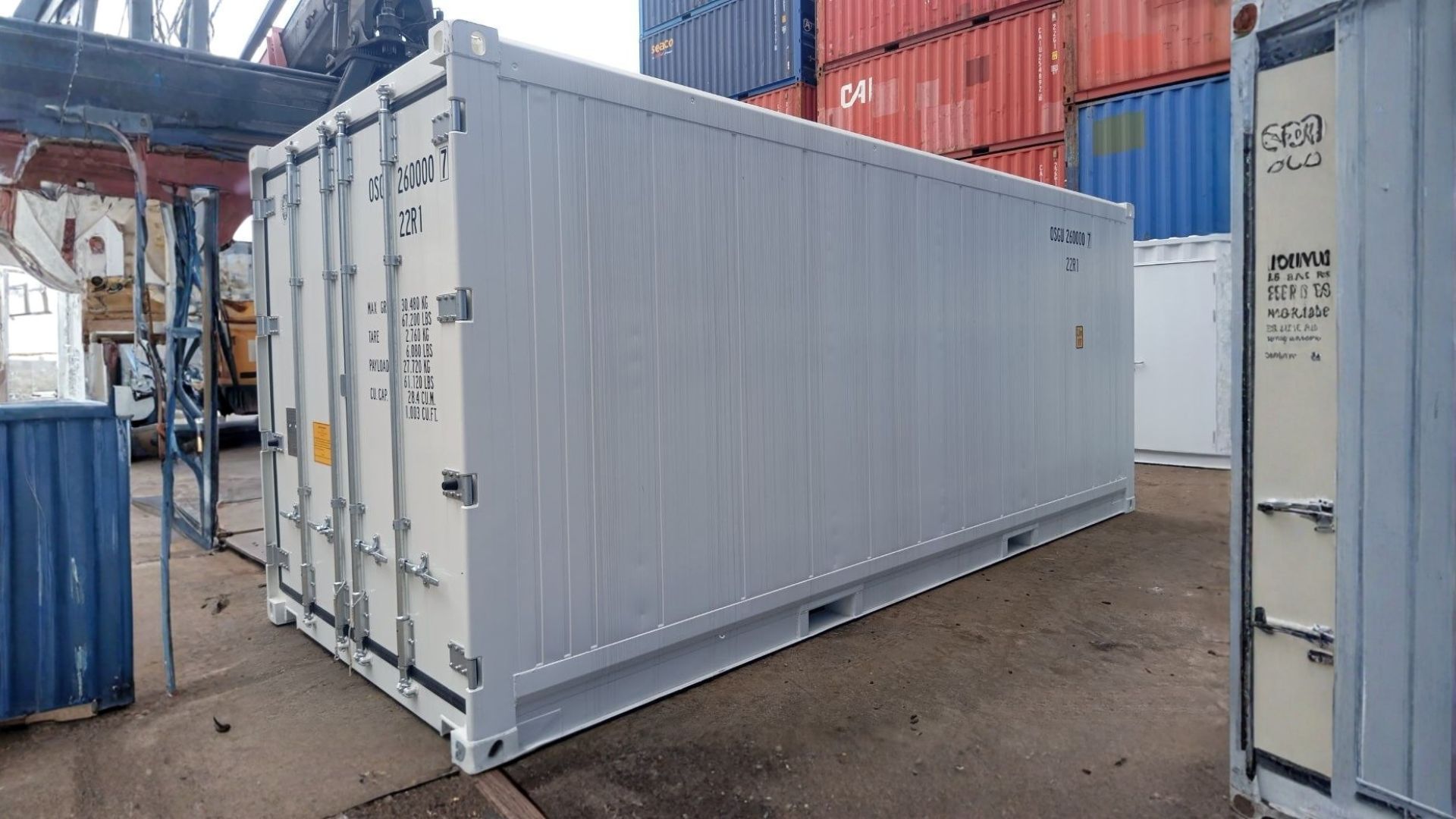
Choosing a Container Cooling Unit by Cooling Load
Choosing the right refrigeration system is an important consideration when setting up a temperature-controlled storage facility. A suitable container cooling unit helps maintain the required storage conditions by managing heat entering the container through its walls, roof, doors and incoming cargo. The right solution depends on several factors, including the type of goods being stored, required temperatures, container insulation and operating environment.
For businesses in Singapore, these considerations are particularly relevant due to the country's warm and humid tropical climate. Whether you need temporary refrigerated storage, a dedicated cold storage facility or a solution for transporting temperature-sensitive goods, understanding the available container refrigeration options can help you make a more informed decision.
When Should You Choose a Modular Container Cooling Unit?
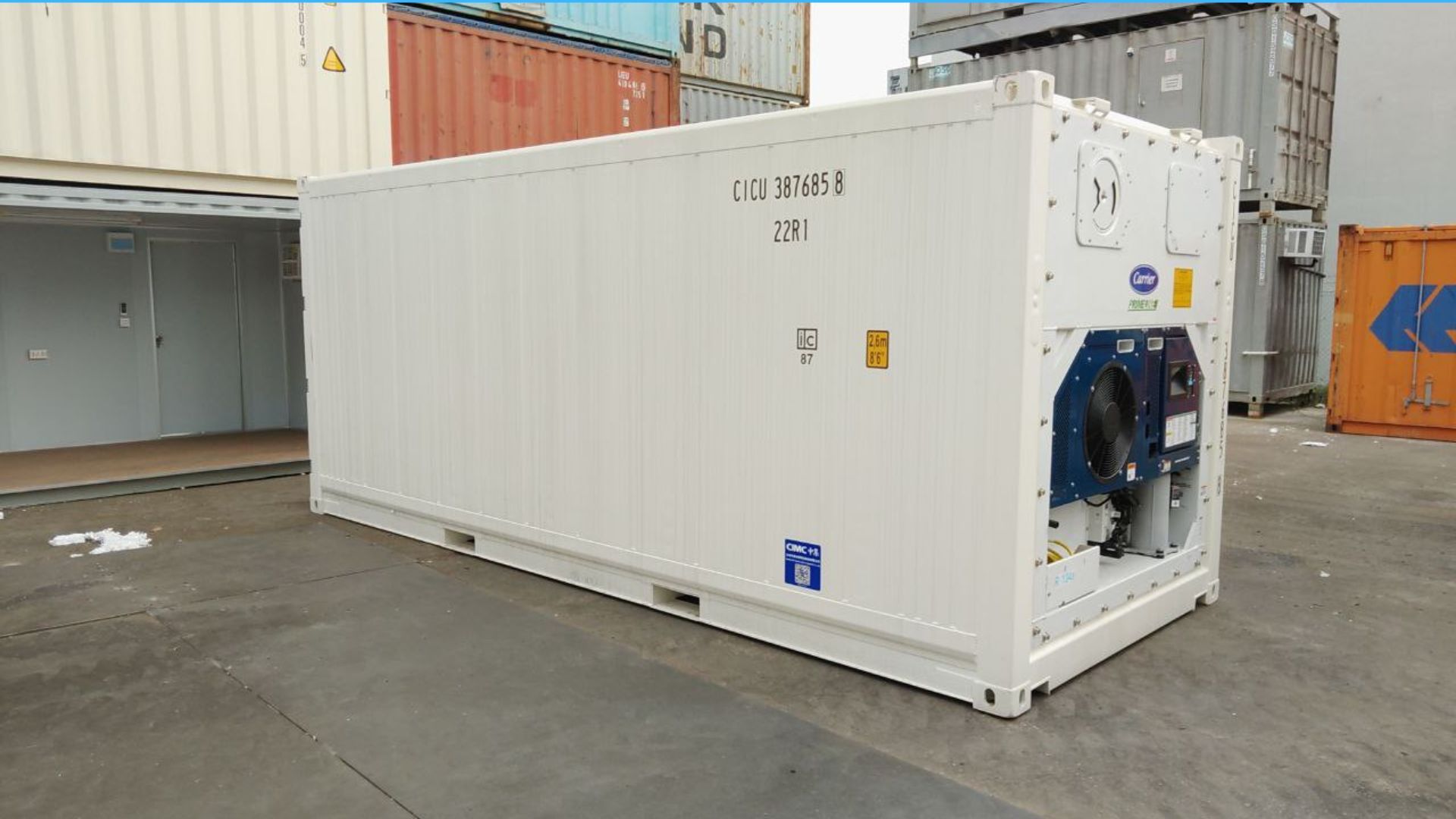
A modular container cooling unit can be installed as part of a customised refrigerated storage setup. These systems may be suitable for businesses looking to convert an existing container into a temperature-controlled storage space, depending on the container's construction and compatibility with the refrigeration equipment.
Thermal Control and Operating Requirements
The performance of a modular refrigeration system depends on its cooling capacity, insulation quality and intended application. Businesses should consider the required storage temperature, the volume of goods being stored and how frequently the container doors will be opened.
Different products have different temperature requirements. Fresh produce, beverages, frozen goods and other temperature-sensitive items may require different refrigeration configurations. It is important to select equipment that is appropriate for the intended application rather than relying on a general temperature range.
Electrical and Installation Considerations
Installing a modular refrigeration system may involve modifications to the container structure, depending on the equipment design. Electrical requirements also vary according to the refrigeration unit, its capacity and manufacturer specifications.
Before installation, businesses should consider:
- Power supply: Confirm that the available electrical supply is compatible with the refrigeration equipment.
- Installation requirements: Check whether structural modifications, mounting arrangements or additional insulation are required.
- Ventilation: Allow sufficient clearance around external refrigeration components to support proper heat dissipation.
- Weather protection: Ensure that external equipment and installation points are suitably protected against local weather conditions.
Mobility and Physical Footprint
A modular cooling system can provide flexibility when adapting an existing container for refrigerated storage. However, external equipment may affect the container's overall dimensions and transportation arrangements.
Businesses planning to relocate their storage units should consider equipment placement, external dimensions and lifting requirements before installation. The suitability of the modified container for transportation will depend on its final configuration.
How Does a Pre-Insulated Cold Storage Container Work?
A pre-insulated cold storage container is designed with insulated wall, floor and ceiling panels to help reduce heat transfer between the internal storage space and the surrounding environment. When combined with a suitable refrigeration system, this construction provides an enclosed environment for storing goods that require controlled temperatures.
These containers can be considered by businesses that require dedicated refrigerated or frozen storage without constructing a permanent cold storage facility from the ground up.
Thermal Control and Operating Requirements
Insulation plays an important role in maintaining internal storage conditions. The effectiveness of a container's insulation depends on factors such as panel materials, thickness, construction quality and the condition of the door seals.
Refrigeration equipment must also be selected according to the intended storage application. Required temperatures, ambient conditions, product loading and door-opening frequency can all influence the overall cooling requirements.
For Singapore-based operations, businesses may also need to consider the effects of high outdoor temperatures, humidity and direct sunlight when determining where to position their refrigerated storage units.
Electrical and Installation Considerations
Pre-insulated containers are available in different configurations, and their installation requirements depend on the refrigeration system supplied. Some units may come with integrated refrigeration equipment, while other arrangements may require additional installation work.
Before putting a unit into operation, businesses should consider:
- Preparing a suitable, level installation area with appropriate ground support and drainage.
- Confirming that the available electrical supply meets the refrigeration equipment's requirements.
- Checking that the refrigeration system has adequate ventilation and maintenance access.
- Testing the temperature controls and confirming that the unit can achieve the required storage conditions before loading goods.
Mobility and Physical Footprint
A pre-insulated cold storage container can provide a practical option for businesses that need dedicated temperature-controlled storage at different locations. However, its relocation requirements depend on the container's dimensions, weight, construction and refrigeration equipment configuration.
Businesses should assess site access, lifting arrangements and transportation requirements when planning to move or reposition a unit.
When Is a Container Cold Room the Right Choice?
A container cold room is a temperature-controlled storage space constructed using insulated panels and refrigeration equipment within a container-based structure. It can be configured to suit different storage requirements, making it an option for businesses that need additional refrigerated space for their operations.
Depending on the design, a container cold room may be suitable for food storage, commercial kitchens, distribution facilities and other applications where controlled storage conditions are required.
Thermal Control and Operating Requirements
The insulation and refrigeration specifications of a container cold room should reflect the type of goods being stored and the required operating conditions.
For example, businesses handling fresh produce may have different storage requirements from those storing frozen food products. The quantity and temperature of incoming goods, frequency of access and internal layout should all be considered when planning the cooling system.
In addition, appropriate moisture management and ventilation should be considered to help maintain suitable internal conditions and support the storage environment.
Electrical and Installation Considerations
Building a container cold room may involve installing insulated wall and ceiling panels, refrigeration equipment, lighting and other internal fittings. The complexity of the installation depends on the design and level of customisation required.
Some considerations include:
- Refrigeration placement: Determine a suitable position for the refrigeration equipment, taking ventilation and maintenance access into account.
- Internal layout: Plan shelving, storage areas and access points according to the type and quantity of goods being handled.
- Electrical installation: Ensure that lighting, refrigeration equipment and other electrical components are compatible with the available power supply.
- Moisture management: Consider appropriate drainage, insulation and sealing arrangements for the intended operating environment.
Mobility and Physical Footprint
Container cold rooms can be designed for different site requirements, although additional internal fittings and external refrigeration components may influence their mobility.
Businesses that anticipate relocating their cold storage facilities should discuss transportation, lifting and equipment arrangements during the planning stage. A suitable design can help ensure that the installation meets both current operational needs and potential future requirements.
When Should You Choose an RF Container for Refrigerated Freight?
An RF container, also known as a refrigerated container or reefer container, is designed to transport temperature-sensitive cargo while maintaining controlled conditions during transit. These containers are commonly used in shipping and logistics for goods such as fresh produce, seafood, meat, frozen products and other temperature-sensitive cargo.
Unlike some static cold storage solutions, refrigerated freight containers are designed around transportation requirements and can be used across different stages of the supply chain.
Thermal Control and Operating Requirements
Refrigerated containers use integrated refrigeration equipment to manage internal temperatures according to the requirements of the cargo. Their performance depends on the refrigeration system, container condition, cargo arrangement and operating environment.
Many reefer containers use specialised airflow systems to distribute conditioned air throughout the cargo space. Proper loading practices are important because obstructed airflow can affect temperature distribution and refrigeration performance.
Businesses should also consider the required temperature settings, ventilation requirements and characteristics of the goods being transported before selecting a refrigerated container.
Electrical and Installation Considerations
RF containers require an appropriate external power supply to operate their refrigeration equipment when used as stationary storage units or during certain stages of transportation. Electrical specifications vary depending on the container model and refrigeration machinery.
Before using a refrigerated container, businesses should:
- Check the manufacturer's electrical specifications and confirm compatibility with the available power supply.
- Allow sufficient space around the refrigeration machinery for ventilation and maintenance access.
- Inspect the refrigeration equipment, door seals and internal condition before loading cargo.
- Confirm that the required temperature settings and ventilation arrangements are suitable for the intended goods.
Mobility and Physical Footprint
One of the main advantages of an RF container is its design for intermodal transportation. Refrigerated containers are generally built around standard container dimensions and handling arrangements, allowing them to be transported through suitable shipping, road and rail networks.
They can also be used as stationary refrigerated storage units when the appropriate power supply and operating arrangements are available. Businesses should consider container dimensions, site accessibility and lifting requirements when planning their use.
How Should You Evaluate Cold Storage Containers for Sale?
When comparing cold storage containers for sale, it is important to look beyond the initial purchase price. The right choice depends on your storage requirements, operating conditions, available site infrastructure and the type of refrigeration system needed.
Different container configurations offer different advantages, so businesses should evaluate how each option fits their intended application before making a purchase decision.
Matching Equipment Type to Cooling Requirements
Understanding your cooling requirements is an important starting point when selecting a refrigerated storage solution. Consider the following factors:
- Storage temperature: Identify the temperature range required for the goods being stored.
- Insulation: Consider the insulation materials, construction and overall condition of the container.
- Refrigeration capacity: Ensure the equipment is suitable for the container size, cargo volume and expected operating conditions.
- Door access: Account for how frequently the doors will be opened and how goods will be loaded and unloaded.
- Electrical availability: Check whether the site can support the refrigeration equipment's power requirements.
- Transportation: Determine whether the container will remain stationary or need to be relocated.
The following table provides a general comparison of different refrigerated container configurations:
| Equipment Category | General Characteristics | Insulation | Potential Applications |
|---|---|---|---|
| Modular Cooling Unit | Refrigeration equipment that can be incorporated into a suitable container setup | Depends on the existing container and insulation | Adapted refrigerated storage |
| Pre-Insulated Container | Purpose-built insulated structure with a compatible cooling system | Integrated insulated panels | Chilled and frozen storage applications |
| Container Cold Room | Customisable insulated storage space | Depends on panel specifications | Commercial storage and food-related operations |
| RF Container | Integrated refrigeration system designed for refrigerated freight | Purpose-built insulated container construction | Refrigerated transportation and stationary storage |
Capital Expenditure and Long-Term Operating Considerations
When assessing refrigerated containers, businesses should consider both the initial investment and the ongoing costs associated with operating the equipment.
Factors such as refrigeration capacity, insulation condition, electricity consumption, maintenance requirements and expected usage can influence the overall cost of operating a refrigerated storage facility.
A container that is suitable for your actual storage requirements can help support more efficient operations and reduce the risk of selecting equipment that does not meet your needs. It is worth comparing different configurations and discussing your requirements with a supplier before making a final decision.
Conclusion
Choosing the right refrigerated container depends on understanding your cooling requirements, storage conditions and operational needs. Whether you are considering a modular container cooling unit, a pre-insulated cold storage container, a customised container cold room or an RF container for refrigerated freight, each solution offers different features and applications.
By assessing factors such as insulation, refrigeration capacity, electrical requirements, site conditions and transportation needs, businesses can make a more informed decision when selecting a suitable refrigerated storage solution.
Looking for refrigerated storage or transportation solutions in Singapore? Contact OSG Containers to discuss your requirements and explore our range of reefer containers in Singapore today.
```