Understanding the Factors Affecting ISO Tank Container Freight and Handling Costs
Transporting bulk liquids across international supply chains involves more than simply calculating freight charges. Equipment selection, cargo handling, packaging, transportation routes and regulatory requirements can all influence the overall cost of moving liquid products. An ISO tank container offers an alternative to traditional liquid transportation methods by combining a cylindrical tank vessel with a standardised steel frame designed for intermodal transport.
Used for transporting a variety of bulk liquids, including chemicals, food-grade products and industrial materials, tank containers can support transportation by road, rail and sea. Their reusable design and ability to carry bulk cargo may help businesses reduce reliance on individual packaging and intermediate handling processes.
For businesses involved in international shipping and bulk liquid distribution, understanding the factors that influence container tank freight and handling costs can help with equipment selection, route planning and long-term operational decisions.
What Factors Influence Container Tank Operating Costs?
The cost of transporting bulk liquids depends on several operational factors. These may include the type of cargo, transportation distance, equipment requirements, loading and unloading arrangements, cleaning procedures and applicable regulatory requirements.
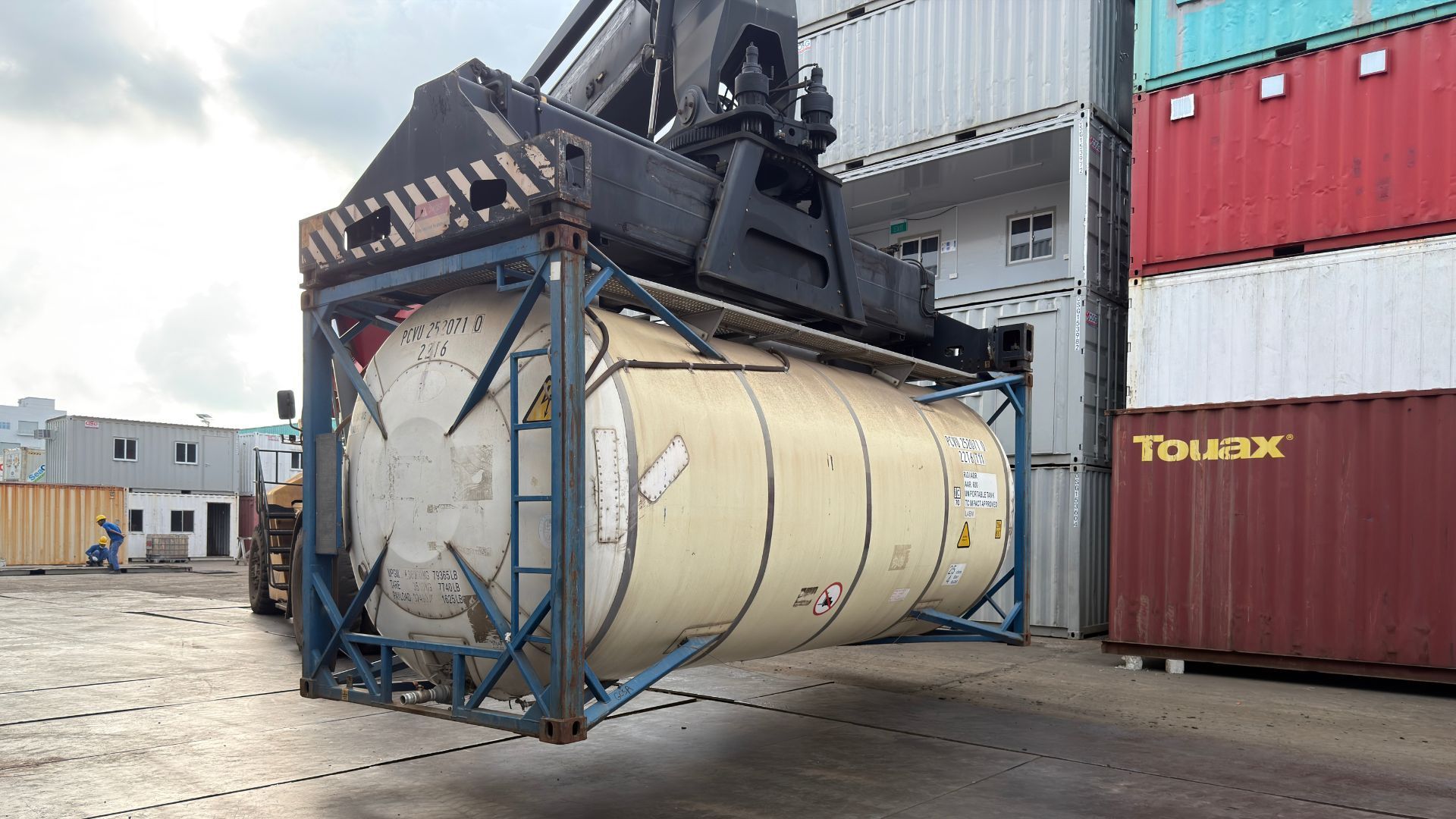
When evaluating a container tank, businesses should consider the complete transportation process rather than focusing exclusively on the initial freight rate. Equipment compatibility and handling arrangements can influence how efficiently cargo moves between suppliers, transportation providers and receiving facilities.
Product Handling and Potential Losses During Transshipment
Transferring liquids between drums, storage tanks, road tankers and other vessels can introduce additional handling requirements. Each transfer may involve equipment, labour and procedures to manage the movement of products safely.
Multiple transfers may also increase the number of points where product loss or contamination could occur. This can be particularly important when transporting sensitive chemicals, food-grade liquids and other products with specific handling requirements.
A dedicated tank container can help reduce the need for intermediate transfers by keeping the cargo within the same vessel across different stages of transportation. However, appropriate loading, discharge, cleaning and inspection procedures remain important for maintaining product quality and preventing losses.
Packaging, Labour and Disposal Considerations
Bulk liquids are commonly transported using different packaging formats, including steel drums, intermediate bulk containers (IBCs) and specialised tank vessels. Each option involves different storage, handling and transportation requirements.
Drum-based transportation may require additional activities such as pallet preparation, loading, securing, unloading and handling individual containers. Depending on the product and packaging type, businesses may also need to account for cleaning, reuse or disposal arrangements.
Using a reusable stainless steel bulk vessel can reduce reliance on individual packaging for suitable applications. It may also simplify some loading and unloading processes, although cleaning, maintenance and equipment turnaround costs should still be considered.
Comparing Tank Containers with Traditional Liquid Transportation Methods
Businesses transporting bulk liquids generally have several equipment options available. Road tankers, drum-based shipments and ISO tank containers each serve different transportation and operational requirements.
The most suitable option depends on factors such as shipment volume, cargo characteristics, delivery locations, available infrastructure and the intended transportation route.
Drum-Based Liquid Transportation
Transporting liquids in drums is a common approach for businesses handling smaller quantities or products that require individual packaging. Drums can be loaded into standard dry freight containers and transported through established shipping networks.
However, this approach may involve additional packaging materials, palletisation, securing and manual handling. Businesses should also consider the storage space required for empty packaging and any applicable cleaning or disposal procedures.
Dedicated Road Tankers
Road tankers are designed to transport bulk liquids between facilities using road networks. They are commonly used for regional distribution, industrial deliveries and transportation between production sites and storage facilities.
Unlike intermodal tank containers, conventional road tankers are primarily designed around road transportation. Moving their cargo through sea or rail networks may require additional transfer arrangements, depending on the transport infrastructure and equipment involved.
Businesses should consider delivery distances, road accessibility, driver availability, vehicle operating costs and the availability of suitable loading and discharge facilities when evaluating this option.
ISO Tank Containers
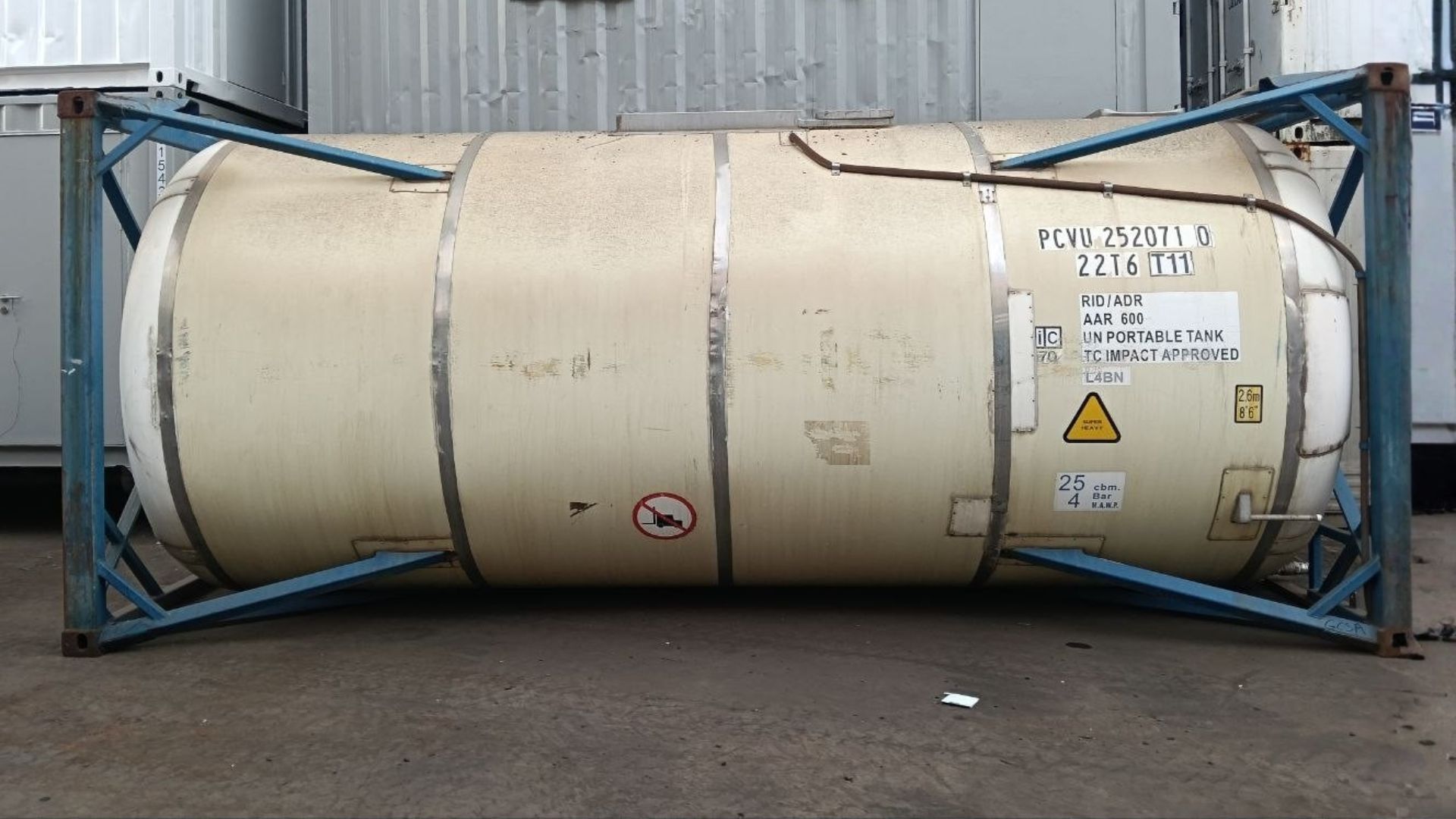
An ISO tank container consists of a cylindrical tank vessel secured within a structural steel frame designed around standardised container handling dimensions. This arrangement allows suitable units to be transported using compatible container handling equipment across road, rail and sea networks.
Unlike drum-based shipments, liquid cargo remains inside the same tank vessel during intermodal transportation, reducing the need for intermediate packaging and certain cargo transfer activities.
ISO tank containers are available in different configurations to accommodate various liquid products and transportation requirements. Their suitability depends on factors such as tank specifications, cargo compatibility, capacity and applicable transport regulations.
| Equipment Type | Transportation Method | Handling Requirements | General Considerations |
|---|---|---|---|
| Drums in Dry Freight Containers | Road, rail and sea | Individual packaging, loading and unloading | Suitable for various shipment sizes and packaged products |
| Dedicated Road Tanker | Primarily road | Bulk loading and discharge connections | Suitable for regional distribution and road deliveries |
| ISO Tank Container | Road, rail and sea | Bulk filling and discharge through designated connections | Suitable for compatible bulk liquids requiring intermodal transportation |
What Should You Consider When Looking for an ISO Container for Sale?
Finding the right iso container for sale involves evaluating more than the initial purchase price. Businesses should consider the type of liquid being transported, equipment specifications, operational requirements and the condition of the tank before making a purchasing decision.
Different tank configurations are designed for different applications. Selecting equipment that is compatible with the intended cargo and transportation requirements is important for safe and efficient operations.
Purchasing Versus Leasing Tank Containers
Businesses transporting bulk liquids regularly may consider purchasing their own tank container fleet, while those with occasional or seasonal requirements may explore leasing arrangements.
Purchasing equipment provides greater control over asset availability and deployment. However, ownership also involves responsibilities such as maintenance, inspections, cleaning, storage and equipment management.
Leasing can provide flexibility when transportation volumes fluctuate or when businesses need additional equipment for specific projects. Depending on the agreement, maintenance and inspection responsibilities may be shared with or managed by the leasing provider.
When comparing purchasing and leasing options, consider:
- Utilisation: Estimate how frequently the equipment will be used.
- Maintenance: Account for routine servicing, cleaning and repairs.
- Inspection: Consider applicable inspection and testing requirements.
- Storage: Evaluate where empty tank containers will be kept between shipments.
- Transportation routes: Consider whether your regular shipping routes support the intended equipment.
- Asset management: Assess the responsibilities associated with owning or leasing the equipment.
Assessing Tank Specifications and Valve Configurations
Tank containers are available with different specifications and configurations depending on their intended application. Businesses transporting chemicals, food-grade liquids and other bulk products should confirm that the selected equipment is suitable for the cargo.
One specification buyers may encounter is the UN Portable Tank Instruction T11. This refers to a particular portable tank instruction associated with the transportation of certain substances. It should not be treated as a universal specification for every type of chemical or liquid cargo.
Before purchasing a tank container, consider the following:
- Tank material: Check whether the tank construction and material are compatible with the intended cargo.
- Capacity: Confirm the tank's nominal volume, permitted payload and applicable weight restrictions.
- Valve configuration: Review the filling and discharge arrangements required for your operations.
- Insulation: Determine whether insulation is required to support the product's transportation conditions.
- Heating arrangements: Consider whether steam heating or other temperature-management features are necessary for certain products.
- Equipment condition: Inspect the tank shell, structural frame, valves, seals and supporting components.
- Documentation: Review the equipment's design approvals, inspection records and applicable certification documents.
Understanding ISO Container Certification and Compliance
Regulatory compliance is an important consideration when selecting and operating an ISO tank container. Equipment used for bulk liquid transportation must meet applicable design, construction, inspection and transportation requirements according to its intended use.
When evaluating iso container certification, businesses should understand that different standards and approvals address different aspects of the equipment. A structural approval or inspection certificate does not automatically confirm that a tank is suitable for every type of cargo or transportation arrangement.
ISO Standards, CSC Plates and Tank Inspection Requirements
ISO tank containers are designed around recognised international standards covering aspects of their construction and transportation dimensions. These standards help support compatibility with established container handling and transportation systems.
The International Convention for Safe Containers (CSC) also establishes requirements relating to the structural safety of containers used in international transportation. Applicable containers carry a CSC safety approval plate containing relevant information about their approved operating limits and examination status.
Tank containers are also subject to inspection and testing requirements based on their design, approval and intended cargo. Certain portable tanks are subject to periodic inspection and testing schedules, which may include intermediate inspections and more comprehensive examinations.
Before purchasing or operating a unit, businesses should:
- Check the relevant tank design and approval documentation.
- Review available inspection and testing records.
- Confirm that required examinations remain valid for the intended operation.
- Check the condition of the tank shell, valves, fittings and structural frame.
- Confirm that the tank is suitable for the intended cargo and applicable transportation requirements.
Understanding Dangerous Goods Transportation Regulations
Some tank containers are used to transport hazardous materials that are subject to additional regulatory requirements. The applicable rules depend on the cargo classification, transportation method and countries involved in the shipment.
Several international regulatory frameworks may be relevant:
- IMDG Code: Provides requirements for the maritime transportation of dangerous goods, including packaging, tank provisions, documentation and stowage.
- ADR: Covers the international carriage of dangerous goods by road in countries and territories where the agreement applies.
- RID: Establishes requirements for the international carriage of dangerous goods by rail in jurisdictions where the regulations apply.
For businesses operating in Singapore, additional local requirements may apply when transporting controlled hazardous substances. Depending on the substance, quantity and transportation arrangements, relevant approvals, inspection documentation and transport conditions may need to be considered.
Businesses should verify the applicable requirements with the relevant authorities, carriers and qualified compliance professionals before arranging transportation. Selecting a suitable tank container and maintaining the necessary documentation can help reduce the risk of regulatory issues and transportation delays.
How Can an Isotank Support Multimodal Transportation?
An isotank is designed to transport bulk liquids through compatible road, rail and sea transportation networks. Its structural steel frame and standardised corner fittings allow suitable equipment to be handled using established container lifting and securing systems.
This intermodal capability can provide flexibility for businesses moving liquid products between manufacturing facilities, ports, distribution centres and end customers.
Bulk Liquid Loading and Unloading
One of the main operational features of a tank container is its ability to transport liquid cargo in a dedicated vessel rather than using multiple individual packages.
Depending on the equipment design and product requirements, loading and unloading can be carried out through designated top or bottom connections using compatible pumping and transfer equipment.
Businesses should establish appropriate procedures for:
- Loading: Confirming cargo compatibility, tank condition and the correct filling procedures.
- Discharge: Using suitable connections and equipment to transfer the product safely.
- Cleaning: Following appropriate cleaning procedures based on the previous and subsequent cargoes.
- Inspection: Checking valves, seals, fittings and other components before and after use.
- Documentation: Maintaining relevant cargo, cleaning and inspection records.
Transportation Across Sea, Rail and Road Networks
The ISO frame allows compatible tank containers to be handled using standard container lifting equipment and transported on suitable container vessels, rail wagons and road chassis.
This flexibility can help businesses coordinate international and regional transportation without necessarily transferring the liquid cargo between different vessels at every stage of the journey.
However, transportation arrangements still depend on equipment compatibility, carrier acceptance, cargo classification, route availability and local regulations. Businesses should confirm these requirements with their transportation providers when planning intermodal shipments.
How to Evaluate Container Tank Freight and Handling Costs
Understanding the overall cost of bulk liquid transportation requires looking at more than the freight charge. Equipment utilisation, cargo volume, loading and discharge arrangements, maintenance and transportation routes can all influence the total cost of moving products.
When evaluating container tank operating expenses, businesses should compare their existing transportation arrangements against the requirements of an ISO tank container solution.
Evaluating Cargo Volume and Transportation Requirements
Tank containers are available in different capacities, with the appropriate size depending on the tank design, cargo density, permissible payload and transportation restrictions.
Rather than assuming that a particular tank can carry a fixed volume, businesses should review the manufacturer's specifications and calculate the permitted cargo quantity for their intended product.
Factors to consider include:
- Nominal tank capacity and maximum permitted payload.
- Cargo density and filling requirements.
- Gross vehicle and transportation weight restrictions.
- Available container handling and loading infrastructure.
- Shipping routes and carrier equipment requirements.
Reviewing Packaging and Handling Expenses
Businesses comparing drums, IBCs and tank containers should assess the full handling process associated with each option.
For packaged cargo, this may include purchasing packaging materials, palletising, securing, loading, unloading and managing empty containers. For tank containers, relevant expenses may include filling and discharge equipment, cleaning, inspection, maintenance and equipment turnaround.
The most appropriate solution depends on shipment size, product characteristics, transportation frequency and the facilities available at the origin and destination.
Considering Equipment Maintenance and Turnaround
Tank containers require appropriate maintenance and inspection throughout their service life. The condition of the tank, valves, fittings, insulation and structural frame can influence equipment availability and operating requirements.
Businesses should also consider the time needed for cleaning, inspection and repositioning between shipments. For international operations, the availability of suitable cleaning facilities and maintenance providers along regular transportation routes may be particularly relevant.
Reviewing these factors can help businesses build a more realistic understanding of their total transportation and equipment costs.
Frequently Asked Questions
What is an ISO tank container?
An ISO tank container is a bulk liquid transportation vessel mounted within a standardised structural steel frame. It is designed for transportation across compatible road, rail and sea networks. Depending on its specifications, it can carry various liquids, including chemicals, food-grade products and other industrial materials.
What is a tank container?
A tank container is an intermodal vessel designed to transport bulk liquids or other compatible cargo. It typically consists of a cylindrical tank secured within a structural frame that supports lifting, handling and transportation using compatible container equipment.
What is the typical capacity of an ISO tank container?
ISO tank containers are available in different capacities depending on their design and intended application. Some commonly used models have capacities around 20,000 to 26,000 litres, although the actual volume and permitted cargo weight should always be confirmed using the equipment specifications.
What products can be transported in an ISO tank container?
Depending on the tank's design and cargo compatibility, ISO tank containers can transport various bulk liquids, including industrial chemicals, food-grade liquids, lubricants and other specialised products. The tank material, fittings, cleaning requirements and applicable transport regulations should be checked before use.
What should I check before buying an ISO tank container?
Before purchasing, consider the tank's capacity, construction materials, valve configuration, cargo compatibility, inspection records and overall condition. It is also important to confirm that the equipment meets the requirements of your intended transportation routes and cargo classification.
Are ISO tank containers suitable for international shipping?
ISO tank containers are designed for intermodal transportation and can be used for international shipping when the equipment, cargo and documentation meet the relevant requirements. Businesses should confirm carrier acceptance, applicable dangerous goods regulations and destination requirements before arranging a shipment.
Conclusion
Choosing the right tank container involves understanding the relationship between equipment specifications, cargo requirements, transportation methods and operating costs. While ISO tank containers can offer advantages for businesses handling suitable bulk liquid shipments, their overall value depends on how well they fit the intended supply chain.
By evaluating factors such as tank capacity, cargo compatibility, handling arrangements, inspection requirements and transportation routes, businesses can make more informed decisions about their bulk liquid logistics operations.
Looking for ISO tank containers for your business? Contact OSG Containers to discuss your requirements and explore our range of ISO tank containers in Singapore. Our team can help you explore suitable container options for your bulk liquid transportation needs.